NWU honours the enduring legacy of the Sharpeville Six
NWU honoured the legacy of Duma Kumalo and the Sharpeville Six through a memorial lecture.
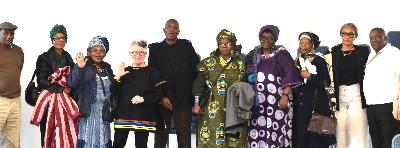
VANDERBIJLPARK – The walls of Building A7 at the NWU carried more than voices; they carried memory, grief and the echoes of one of the darkest chapters in South African history.
As students, academics, struggle veterans, community members and families gathered for the “An Ode to the Sharpeville Six: Duma Kumalo Memorial Lecture Programme” of the North-West University School of Social Sciences, the atmosphere was heavy with reflection, remembrance and emotion.
Situated only a few kilometres away from where the Sharpeville Massacre unfolded in 1960, the university became more than a venue for dialogue. For a few hours, it became sacred ground where painful memories resurfaced and stories long buried under the weight of apartheid were spoken aloud once more.
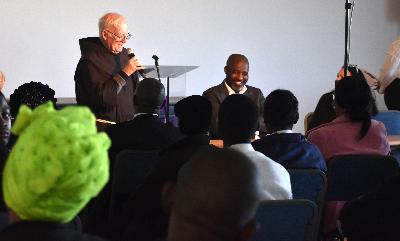
Hosted as part of the community engagement initiatives of the university, the memorial lecture brought together academics, community members, students and high school learners from Sharpeville under the theme “Memory, Justice, and the Responsibilities of Scholarship.”
The event honoured the life and enduring legacy of the late Duma Kumalo, one of the Sharpeville Six who survived death row during the final years of apartheid and later became a powerful voice for remembrance, justice and healing.
A solemn atmosphere filled the venue during a moment of remembrance for the victims of the Sharpeville Massacre and all who fought for dignity, equality and freedom. For many attendees, these were not distant historical events, but painful memories still carried by families and communities today.
The Sharpeville Six became internationally known in the 1980s after being sentenced to death under the controversial “common purpose” doctrine of apartheid, following the killing of councillor Jacob Dlamini during protests in Sharpeville. Duma Kumalo was among those sentenced despite not being present at the scene, making the case a powerful symbol of apartheid-era injustice.
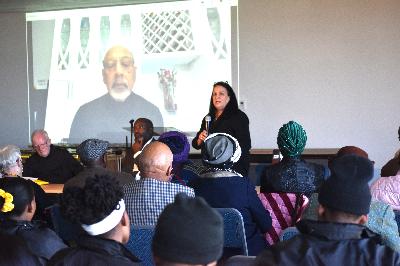
Delivering the keynote memorial lecture was Dr Marjorie Jobson, director at the Khulumani Support Group, whose reflections challenged the audience to think deeply about justice, memory and the responsibility of scholarship in confronting painful histories. She reflected on how apartheid violence left psychological and emotional scars that continue to shape communities decades later.
The emotional weight of the programme was softened by the sound of marimbas played by learners from the Khutlo Tharo Secondary School of Specialisation.An interactive discussion session facilitated by the NWU history lecturer, Basetsana Tsuwane, who was also one of the event organisers, created a platform for powerful intergenerational dialogue.
Contributions from Bobby Rodwell, Advocate Mosotho Petlane, Father Patrick Noonan, Dr Marjorie Jobson and Prakash Diar encouraged students and guests to confront difficult questions about justice, memory, forgiveness and reconciliation.
Addressing the significance of the event, Tsuwane explained that the memorial lecture had been conceived as a way to awaken a hidden historical chapter of Sharpeville – the story of a man who survived death row at the height of the anti-apartheid movement.
“More than a commemoration, it became a space to harness memory and foster healing in the face of pain, reminding us of the resilience and courage that continue to inspire our community,” she said.
Tsuwane added that being part of organising the memorial lecture was a deeply meaningful experience for her, personally and professionally.
“I feel truly honoured to have been part of organising this memorial lecture. The event affirmed the importance of remembering and retelling these histories, not only as acts of tribute but also as pathways to collective reflection and renewal. We hope to continue hosting more gatherings dedicated to commemorating our shared past,” she said.
The memorial lecture concluded with a screening of The Long Way to Justice, a documentary directed by Åsa Faringer and written by Hanna Olsson. The documentary revisits the painful story of the Sharpeville Six and traces Duma Kumalo’s journey from student teacher to international symbol of resistance, justice and reconciliation.
The film captures the global campaign that fought to stop the execution of the Sharpeville Six, including protests in Sweden, appeals by world leaders and pressure from the United Nations. In a chilling reminder of how close the men came to death, their execution was halted only hours before they were due to be hanged.
The film features interviews with Kumalo’s widow, Mando, Father Patrick Noonan, John Allen, Albie Sachs and Sipho Khumalo, while also revisiting the significance of the 1960 Sharpeville Massacre through testimonies from surviving victims and witnesses.
Among those present at the memorial lecture were Kumalo’s widow, Betty Sarah Mrwebi Khumalo, and her two sons, whose presence added a deeply personal dimension to the event.