Jobs without sustainability: GDARD’s tick-box approach is failing Gauteng
Who would object to creating jobs or assisting small farmers?
In its recent presentation to the Portfolio Committee on Agriculture, the Gauteng Department of Agriculture and Rural Development (GDARD) made a telling admission: return on investment (ROI) is not a focus. Instead, the department insists its priority is “job creation and supporting small farmers.”
At first glance, this may sound commendable. Who would object to creating jobs or assisting small farmers? The Democratic Alliance (DA) certainly supports both aims. Yet what GDARD is offering the people of Gauteng is not empowerment but a temporary illusion. By disregarding financial sustainability, the department reduces its projects to little more than tick-box exercises. The result is plain to see: collapsed initiatives, unemployed workers, stranded farmers, and taxpayers left footing the bill.
Consider the Vereeniging Fresh Produce Market. GDARD boasted of spending R22 million on infrastructure repairs and upgrades. But where is the plan to ensure the market becomes self-sustaining, attracts farmers, and contributes to food security? Without a proper model, it risks becoming another white elephant in need of yet another bailout, draining public funds that could instead support genuine, viable agricultural growth.
The same short-term mindset is visible at the Isigayo Milling Plant. To revive operations, GDARD supplied 200 tons of free maize inputs. While this restarted activity, the department conceded that no plan exists for the plant’s future independence. This is not empowerment, but dependency disguised as progress. Without sustainability built into the design, the project will collapse the moment subsidies end.
The Cullinan Sunflower Project is a further example. Since 2017, GDARD has invested over R13.2 million. Eight years later, it still cannot demonstrate profitability, market resilience, or independence. Instead, the department points to “job creation projections”, theoretical figures that may look impressive in reports but make no difference to struggling farmers and unemployed residents. Farmers deserve more than projections; they deserve markets, contracts, and opportunities to prosper.
The DA rejects the false choice between return on investment and social impact.
Gauteng can, and must, achieve both. True empowerment is not about how many handouts are distributed, but about how many farmers and workers can sustain themselves without perpetual state support. That demands a fundamental shift in approach.
Under a DA provincial government in Gauteng, all agricultural projects would undergo independent financial audits to guarantee transparency and accountability. Return on investment and job creation would be measured together. Small farmers would be equipped with the tools they need to thrive, access to markets, business support, and private sector partnerships that secure long-term income through offtake agreements. Government should act as a springboard for growth, not a permanent crutch.
We believe every rand spent must pass four tests:
- Generate sustainable income, whether from produce sales, processing, or market fees.
- Cover operating costs so that projects are not permanently reliant on taxpayer bailouts.
- Deliver measurable sustainability or return on investment, demonstrating the value of every rand in terms of jobs, growth, and food security.
- Attract private sector partnerships to ensure farmers have lasting markets long after state subsidies end.
Jobs created without sustainability are not real jobs – they are illusions.
A worker employed today but jobless tomorrow after a project’s collapse is left worse off. A farmer dependent on endless subsidies is not empowered but trapped in dependency. Taxpayers’ funding failed ventures are not investing in the future but subsidising waste.
Gauteng deserves better. Every investment must prove its worth, not in glossy presentations, but in lasting outcomes. Unless wasteful expenditure is curbed, Gauteng’s economy cannot be turbocharged.
The choice is clear. We can persist with reckless spending where millions of rand are spent on projects that collapse within months, or we can chart a new course – one of responsible investment, accountability, and sustainability.
The DA chooses the latter.
We will continue to demand proper viability studies before projects are approved, insist on return on investment to be measured alongside social benefit, and promote partnerships that provide farmers with independence, workers with stable jobs, and taxpayers with true value.
Agriculture can transform Gauteng, but not through tick-box projects or dependency-driven schemes. It will succeed when the government invests responsibly, farmers stand on their own feet, and every job created is a job that endures. Only then will Gauteng’s economy grow in a way that is sustainable for generations to come.
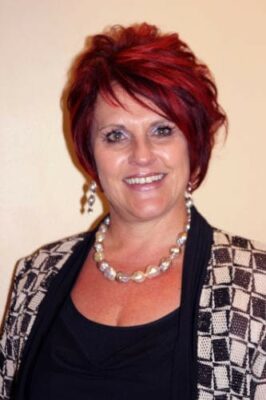
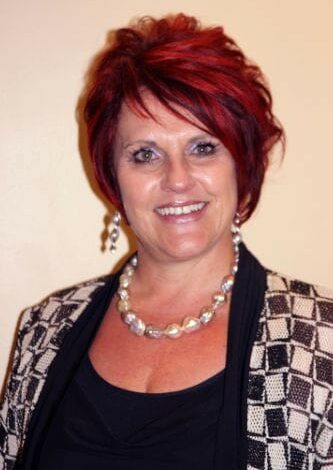
( This is an opinion piece by Bronwyn Engelbrecht MPL, DA Gauteng Shadow MEC for Agriculture and Rural Development)