Reclaiming Visibility, Power and Cultural Voice
Let the voices of disabled South Africans rise, not in silence, but in song, story and struggle.
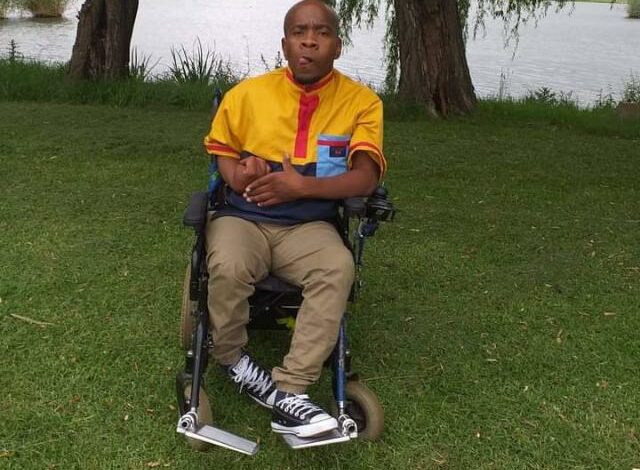
SDEDIBENG.- Disability Rights Month, observed annually in November, is often framed as a time to celebrate progress and inclusion without any significant political history attributed to Disability struggle.
Yet for many disabled South Africans, especially those in mainstream education special schools and tertiary institutions, it remains a month of invisibility, tokenism and missed opportunity. The exclusion of mainstream disabled learners due to exam schedules and the absence of grassroots cultural programming, reveals the inability to center disability as a lived, public, and political reality.
While Disabled People Organizations often dominate the narrative during Disability Rights Month, disabled learners, those who have fought and continue to fight for equality in education are sidelined.
Their absence is not accidental.
t reflects a system that still treats disability as a separate, medicalized category rather than a social and political identity. Similarly, students in higher education are often preoccupied with final exams, leaving little room for activism or cultural engagement. This structural silence undermines the very ethos of Disability Rights Month: visibility, voice, and justice.
Contrast this with Disability Pride Month in the United States, held in July to commemorate the signing of the Americans with Disabilities Act (ADA) in 1990. In cities like New York, Chicago and San Francisco, disabled people take to the streets in vibrant parades, art exhibitions and music festivals. Disability Pride Month in the U.S. is unapologetically political and cultural’ it celebrates disability as identity, resistance and creativity.
South Africa’s Disability Rights Month, by comparison, remains bureaucratic, sanitized and often disconnected from the lived realities of disabled people.
To transform Disability Rights Month into a vehicle for political and cultural change, South African media must step up. The South African Broadcasting Corporation (SABC), as a public broadcaster, has a constitutional obligation to reflect the diversity of the nation. It must commission and air films, documentaries and dramas that center disabled protagonists, not as objects of pity, but as agents of change. These stories should reflect township realities, rural struggles and urban activism. They must challenge stereotypes and provoke dialogue.
Music is a powerful tool for political mobilization.
Disabled musicians should be encouraged and funded to compose songs that speak to the struggle for rights, dignity and recognition. These songs can become anthems of resistance, played in schools, community halls and public rallies. They can reclaim Disability Rights Month from the margins and place it at the heart of South Africa’s cultural and political discourse.
Disability Rights Month must evolve. It cannot remain a ceremonial gesture confined to DPOs and government press releases. It must become a platform for radical visibility, cultural production and political mobilization. By learning from Disability Pride Month in the U.S. and by investing in media, music and inclusive storytelling, South Africa can transform November into a month of pride, protest and possibility.
Let the voices of disabled South Africans rise, not in silence, but in song, story and struggle.