COSP20: Disability Rights and the Silence of Power
Municipalities can transform communities into spaces of dignity, equality and independent living.
SEDIBENG.- From 8 to 11 June 2026, the United Nations Headquarters in New York hosted the 20th Conference of States Parties to the Convention on the Rights of Persons with Disabilities (COSP20).
This gathering was not a ceremonial ritual but a decisive moment in global accountability, marking two decades since the CRPD was adopted. COSP20 brought together governments, civil society and disabled people’s organizations to confront the unfinished business of inclusion and justice.
That participation translates into genuine political representation.
The conference’s debates were urgent and uncompromising. Delegates examined how to prevent exploitation and violence against persons with disabilities, how to strengthen resilient support systems that enable independent living and how to ensure that participation translates into genuine political representation. Slovenia, as chair, pressed the issue of deinstitutionalisation, calling for the dismantling of outdated institutions and the creation of community-based support.
Elections for new members of the CRPD Committee reinforced the monitoring of state compliance, while side events showcased innovative practices from across the globe.
The media denied disabled communities the information they need.
Yet, despite the weight of these discussions, mainstream media remained silent. Newspapers and broadcasters that pride themselves on covering international affairs ignored COSP20 almost entirely. This silence is not neutral however it is a form of exclusion. By failing to report on COSP20, the media denied disabled communities the information they need to hold governments accountable.
The absence of coverage perpetuates invisibility, reinforcing the very marginalization the CRPD seeks to dismantle.
For South Africa, COSP20 is a mirror reflecting local responsibilities. Municipalities are the frontline of service delivery, housing and accessibility. They cannot afford to treat COSP as distant diplomacy. Local governments must engage with the CRPD’s commitments, align municipal policies with international standards and learn from global best practices. Implementing the CRPD at the local level is not optional, it is both a moral and legal obligation.
Municipalities can transform communities into spaces of dignity, equality and independent living.
By embracing COSP outcomes, municipalities can transform communities into spaces of dignity, equality and independent living.
COSP20 has shown that disability rights are inseparable from democracy and justice. Its lessons must not remain locked in UN halls rather they must be translated into action in town councils, schools, clinics and workplaces. Local governments must step forward, not as passive observers, but as active implementers of the CRPD. Only then will the promise of COSP20 resonate in the daily lives of disabled citizens, ensuring that they are not spectators but leaders in shaping inclusive futures.
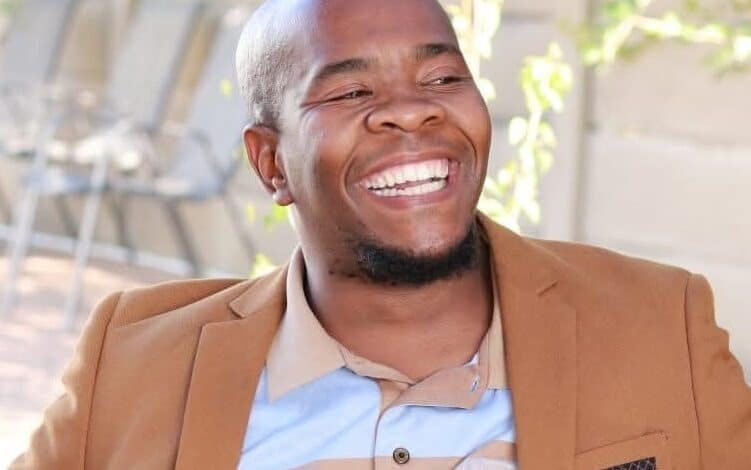
Lucky Tumahole – Disability Advocate and Political Writer. These are his personal views.