Breaking the chains of miracle narratives
"Disabled people are rarely granted the freedom to exercise their spirituality."
SEDIBENG.- Spirituality, when understood from the lens of disability advocacy, is not merely about ritual or doctrine.
It is the deep human yearning for meaning, belonging and transcendence.
It is the search for dignity in a world that often denies it. For disabled people, spirituality is both a personal sanctuary and a contested terrain, shaped by how societies and religious institutions perceive them. To speak truth to spirituality and religion at large, we must confront a painful reality, that is, disabled people are rarely granted the freedom to exercise their spirituality without prejudice.
This framing strips disabled people of agency.
Too often, their presence in churches, mosques, temples or ancestral rituals is filtered through pity, charity or the expectation of miraculous healing. Instead of being welcomed as equal participants in the spiritual community, they are cast as symbols of suffering or as “miracle fodder”, bodies upon which faith leaders demonstrate divine power.
This framing strips disabled people of agency.
It reduces their spiritual lives to spectacles of cure rather than journeys of meaning. The disabled person is prayed over, touched or displayed as evidence of God’s intervention, while their own voice, theology and lived experience are silenced. Religion, in these moments, becomes complicit in perpetuating stigma rather than dismantling it.
Yet spirituality, at its core, is about liberation.
The prophetic task of religion is not to erase disability.
It is about affirming the sacred worth of every human being, regardless of ability. True spirituality does not demand that disabled people be “fixed” to be whole, it insists that wholeness already exists in their humanity. The prophetic task of religion is not to erase disability but to challenge the barriers that prevent disabled people from fully participating in spiritual life.
Do disabled people freely exercise their spirituality?
The answer is complicated.
Many do, carving spaces of radical inclusion in faith communities, reinterpreting scripture through disability theology and reclaiming ancestral practices that honour difference. But many others remain excluded, either physically, through inaccessible buildings and rituals or symbolically, through teachings that equate disability with sin, punishment or divine testing.
Religion at large must reckon with this truth.
The challenge before us is clear, spirituality must be disentangled from the obsession with miracles. Disabled people are not proof of faith’s power, they are bearers of faith themselves. Their spirituality is not a stage for others’ belief but a living testimony to resilience, creativity and divine presence. Religion at large must reckon with this truth.
To honour disabled spirituality is to dismantle the structures of exclusion, to listen to disabled voices and to affirm that the sacred is found not in spectacle but in solidarity. Only then can spirituality become what it claims to be, a path to justice, dignity and belonging for all.
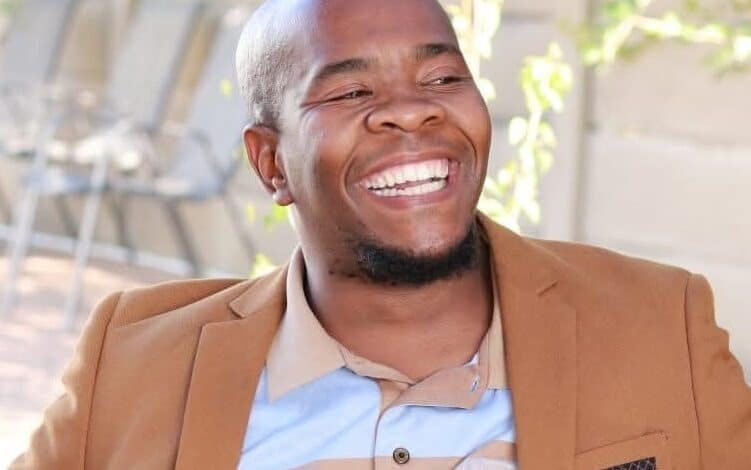
Lucky Tumahole is a Disability Advocate and Political Writer. He writes here in his personal capacity.