Mother turns grief into a lifeline for others
Wide Horizon Hospice helps patients with life-limiting illnesses manage pain, preserve dignity and receive care closer to home.

In the early hours of November 2012, Tersia Burger sat beside her daughter Vicky’s bed and gave her a breakthrough morphine injection. Vicky looked at her and said quietly: “Mommy, I’m dying.” Burger told her she’d be fine.
“I know what’s happening in my body,” she said. “I’m busy dying. Promise me you’ll start a hospice so that no one else will ever suffer the way I suffered.”
Burger made that promise. Fewer than six weeks later, on January 1, 2013, she was running a hospice out of her own home. Vicky was its first patient and its first death.
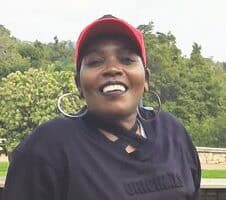
Speaking on VUT FM during a recent interview, the now-CEO of Wide Horizon Hospice took listeners back to where it all began, and explained why she built Stepping Stone Hospice.
A diagnosis that changed everything
Vicky was born with a rare condition that stopped her body producing collagen, leaving her bones extremely fragile. By her third birthday she’d had 41 fractures. Doctors didn’t expect her to live past nine. She proved them wrong, but the years that followed brought 81 abdominal surgeries and pain that was almost impossible to manage.
“I realised, today, that she was treated for chronic pain and not for end-of-life pain,” Burger told the hosts. In 2012, Vicky’s doctor said he could no longer operate. Burger went looking for palliative care, only to find that most programmes at the time wouldn’t take a patient unless they had cancer or HIV/AIDS. She pushed until Vicky was accepted anyway.
The change came almost overnight. Once a palliative care nurse and doctor stepped in to manage her pain, Vicky was, in Burger’s words, “a different child”, well enough to walk her sons to school and watch them play cricket. The diagnosis hadn’t changed. But she lived another five and a half months, pain-free, before she passed away on January 18, 2013.
“It’s an extra layer of care”
Burger used much of the interview to push back on what she called a common misconception, that palliative care means giving up.
“It’s not an illness. It’s an extra layer of care,” she said. Curative treatment happens in hospitals; palliative care runs alongside it, focused on managing pain and symptoms and protecting a patient’s dignity. Patients don’t have to stop chemotherapy or any other treatment to receive it.
It isn’t only for cancer patients either. Wide Horizon Hospice’s nurses and doctors hold the same qualifications as hospital staff, plus a postgraduate diploma in palliative medicine from the University of Cape Town, and the organisation cares for people living with life-limiting illnesses such as kidney failure, heart failure, lung disease, HIV, epilepsy, and uncontrolled diabetes or hypertension. Children with rare, life-limiting conditions are supported too, through a dedicated baby unit at the Alberton site: Stepping Stone Hospice’s Children’s Unit.
Patients are grouped by need: those still mobile, seen about once a month; those spending more time in bed, seen twice a month; and those in their final stage of life, seen daily. Most people, Burger said, want to be cared for at home, and families are trained to do just that, though some, such as brain cancer patients experiencing seizures, are better placed in the in-patient unit.
Asked what gets in the way of families accessing care, Burger said it was late referrals.
Overburdened hospitals mean many patients are diagnosed too late and discharged without ever being referred to a hospice. “They are sent home with a Panado. That is so wrong at every level,” she said.
Wide Horizon doesn’t replace a patient’s existing doctor, she stressed, but works alongside them, staying in contact as a patient’s condition changes. Her advice to anyone watching a loved one decline: “Ask a doctor, private or government, for a referral to palliative care as early as possible.” The earlier the referral, she said, the more time is spent comfortable rather than suffering.
She was candid about the economics of hospice care. Caring for a single in-patient costs R1 500 a day once medication, food, nappies and equipment are added up, and staff, doctors, registered nurses and social workers earn less than they would in private or government healthcare, by choice.
Wide Horizon Hospice, recently acquired by Alberton’s COHSASA and five-star APCC-accredited Stepping Stone Hospice, is based opposite the main entrance of Kopanong Hospital in Duncanville, and serves Sharpeville, Sebokeng, Boipatong, Bophelong, Evaton and surrounding Vaal communities. Families are encouraged to ask their doctor about a referral or contact the organisation directly.
To stay open, Wide Horizon greatly relies on the community’s support. To show your support and to find out more about Wide Horizon, email the hospice at info@hospicevaal.co.za or contact 016 428 1410.