It’s time to ditch toxic disposables
If you knew what those disposable nappies were made of, you wouldn't let them near your baby.
WITH our fast-paced lifestyles today, everything we use has become disposable.
The sad thing is most people don’t give a thought to what happens to their rubbish once it’s picked up. It becomes someone else’s problem. But think about it we must.
What I would like to talk about is disposable nappies – one of the most serious pollutants, that generates billions of tons of toxic waste each year.
In the few minutes it takes to read this article, hundred of thousands of nappies are being thrown into the trash.
Let’s do some basic calculations. If every baby uses 10 nappies a day, that’s 300 nappies a month which equates to 3 600 a year. Times that by, lets say, 2 million households using disposable nappies. This means that 7 200 000 000 are going to landfill each year and that’s just the tip of the iceberg. If you consider this on a global scale, it’s mind-staggering how we are polluting the planet. They do not biodegrade and these nappies release methane into the atmosphere. All these toxins are entering our landfills and threatening our water systems.
If you knew what these nappies were made of you would stop using them. Clever marketing has duped you into believing you can’t live without them, but the impact they are having on the planet will have far reaching consequences that our children will have to face in the future.
The Good Human, a website dedicated to discussing issues related to environmentalism, points out that more than 200 000 trees are lost each year to the manufacture of disposable diapers for babies in the U.S. alone. In addition, it takes 3.4 billion gallons of fuel oil every year to make diapers. What it comes down to is that disposable diapers use 20 times more raw materials, two times more water and three times more energy to make than cloth diapers. Besides depleting natural resources, manufacturing disposable diapers also utilises non-renewable energy sources.
The truth is, disposable nappies are highly toxic and you are exposing your baby to dangerous chemicals. An article by www.smallfootprintfamily.com is very enlightening and reveals some shocking information on some of the chemicals babies are exposed to, such as:
Sodium Polyacrylate which makes nappies highly absorbent and can absorb up to 100 times its weight; a chemical that was banned from tampons because of its link to Toxic Shock Syndrome.
Dioxin, which is the most toxic of all cancer-linked chemicals has been linked to birth defects, skin disease, liver disease and causes genetic mutations in lab animals.
Phthalates are softeners in the plastic that has been banned from teething rings and soft toys because of its toxicity.
Tributyl Tin (TBT) is found in the dyes used in the nappies.
Other chemicals that can be found in these nappies include Ethylbenzene, Styrene, Toluene, Trichloroethylene, m-Xylene, Anisaldehyde and Dipentene plus many more.
Do yourself a favour and visit www.toxipedia.org and read up about these chemicals you will be shocked to learn what you are exposing your baby to.
Since the invention of disposable nappies, babies are suffering from horrendous nappy rashes from exposure to all the chemicals.
They may be convenient and easy to use, but the risks far outweigh the benefits. It’s time to ditch disposables.
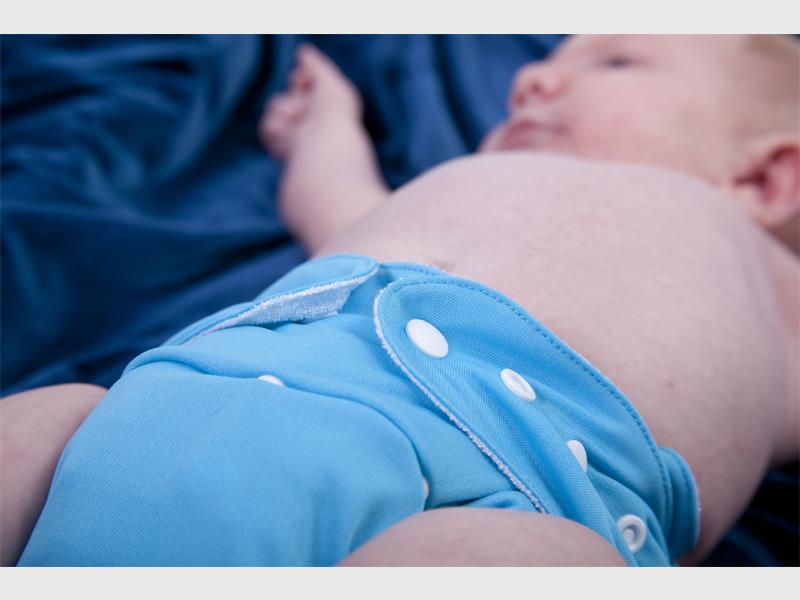
The good news is, cloth nappies are now on the market again. No more nappy pins, they come with press studs or velcro and are available in a range of styles, sizes and wonderful prints. When it comes to baby wipes, use a flannel cloth, wet it with water, add a dash of baby soap and some tea tree essential oil and place in a tupperware container.
It’s time we all considered how our wasteful ways are impacting on the planet. It’s time to help reduce landfills.
Teach children to respect the planet and live in a way that leaves a green footprint. Reduce, reuse, recycle, protect our forests and wild places, save our oceans and marine creatures, clean up our water sources.
After all, we are all contributing to turning our planet into a toxic wasteland and unless we teach our children how to live and be environment friendly, future generations will face insurmountable challenges in order to survive.