
March 13: On This Day in World History … briefly
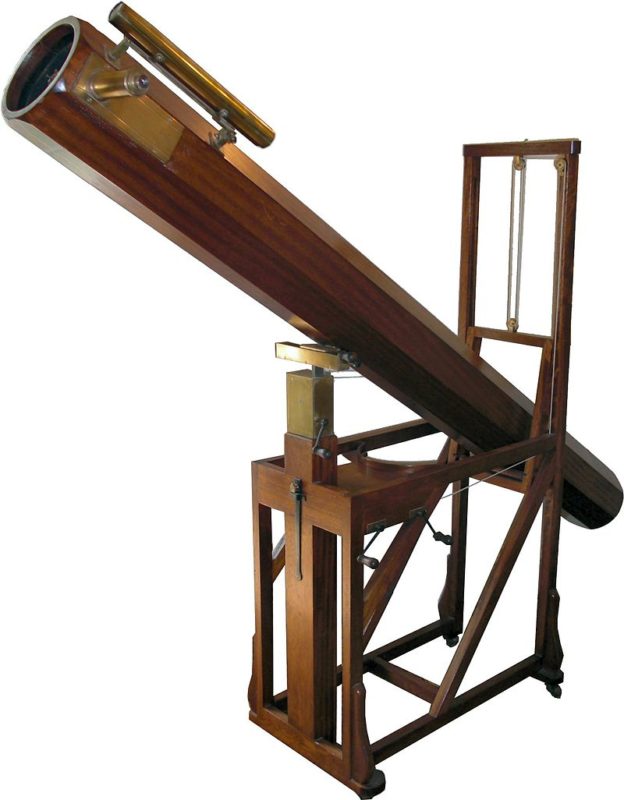
Herschel's intellectual curiosity and interest in music eventually led him to astronomy - after reading Robert Smith's 'Harmonics', or the 'Philosophy of Musical Sounds' (1749), he took up Smith's 'A Compleat System of Opticks' (1738) that described techniques of telescope construction.
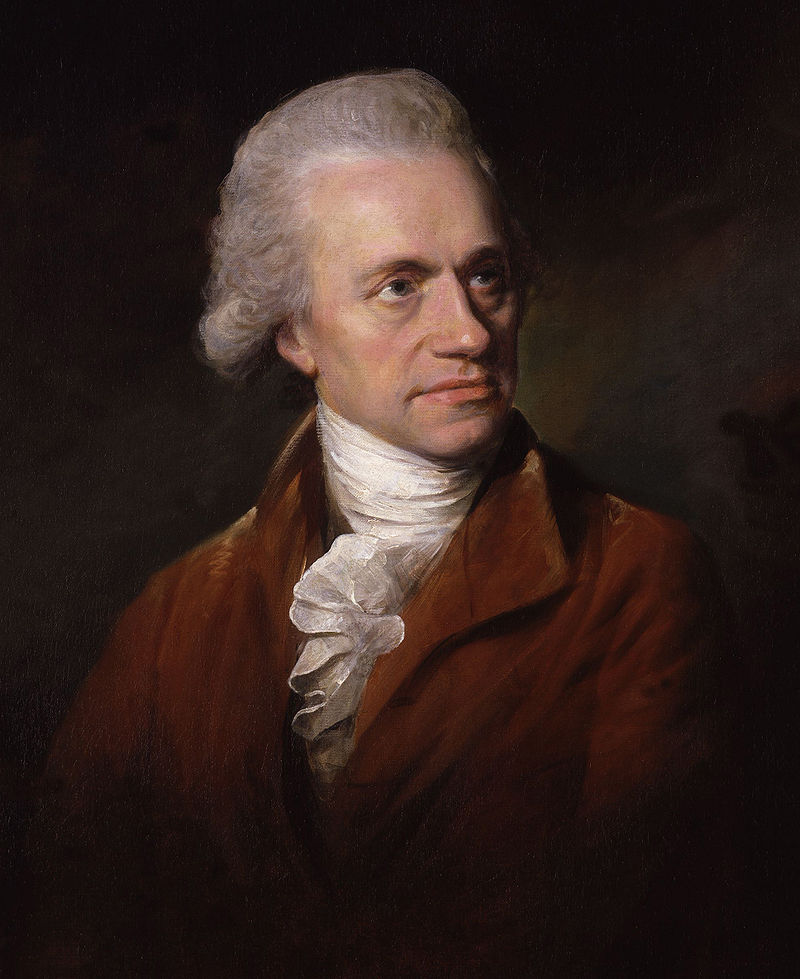
1781: Amateur stargazer discovers Uranus
Frederick William Herschel was a German-born British astronomer, composer and brother of fellow astronomer Caroline Herschel, with whom he worked. Born in the Electorate of Hanover, Herschel followed his father into the Military Band of Hanover before migrating to Great Britain in 1757 aged 19.
He constructed his first large telescope in 1774, after which he spent nine years carrying out sky surveys to investigate double stars. Herschel published catalogues of nebulae in 1802 (2 500 objects) and in 1820 (5 000 objects). The resolving power of Herschel telescopes revealed that many objects called nebulae in the Messier catalogue were actually clusters of stars.
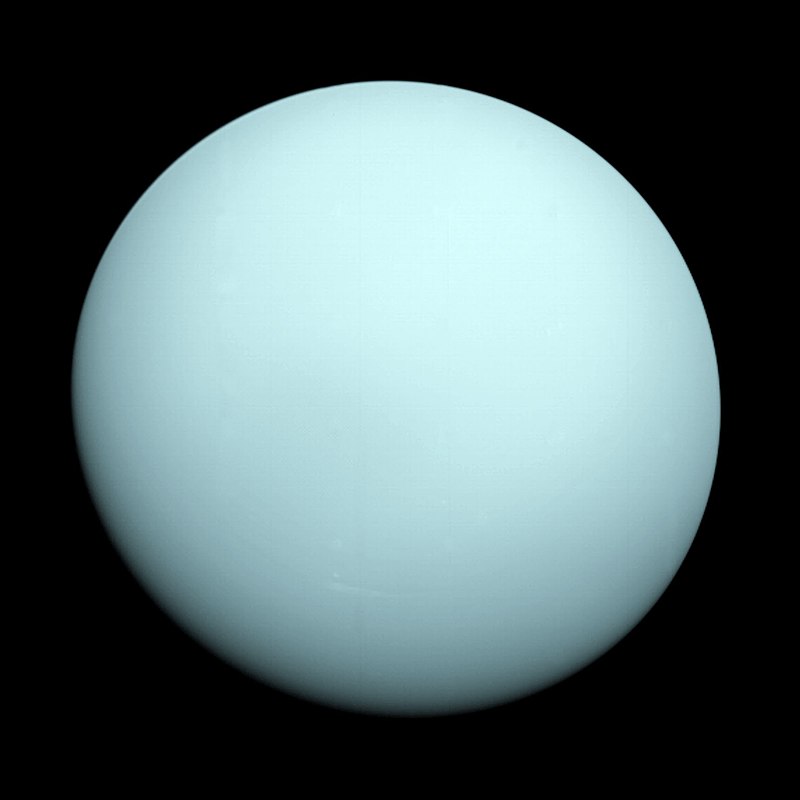
On March 13, 1781, while making observations he made note of a new object in the constellation of Gemini. This would, after several weeks of verification and consultation with other astronomers, be confirmed to be a new planet – eventually named Uranus. It was the first planet to be discovered since antiquity and Herschel became famous overnight and was appointed Court Astronomer as a result of this discovery. He was also elected as a Fellow of the Royal Society and grants were provided for the construction of new telescopes.
Herschel pioneered the use of astronomical ‘spectrophotometry’, using prisms and temperature measuring equipment to measure the wavelength distribution of stellar spectra. In addition, he discovered infrared radiation. Other work included an improved determination of the rotation period of Mars, the discovery that Martian polar caps vary seasonally, the discovery of Uranus’s moons Titania and Oberon and Saturn’s moons Enceladus and Mimas.
He was made a Knight of the Royal Guelphic Order in 1816 and became the first President of the Royal Astronomical Society when it was founded in 1820. He died in August 1822 and his work was continued by his only son John Herschel.
Most notable historic snippets or facts extracted from the book ‘On This Day’ first published in 1992 by Octopus Publishing Group Ltd, London, as well as additional supplementary information extracted from Wikipedia.
HAVE YOUR SAY
Like our Facebook page, follow us on Twitter and Instagram


