Not just an American gimmick
It may have been started by the American Kennel Club, but Pet Fire Safety Day, July 15, ought to get all pet owners thinking.
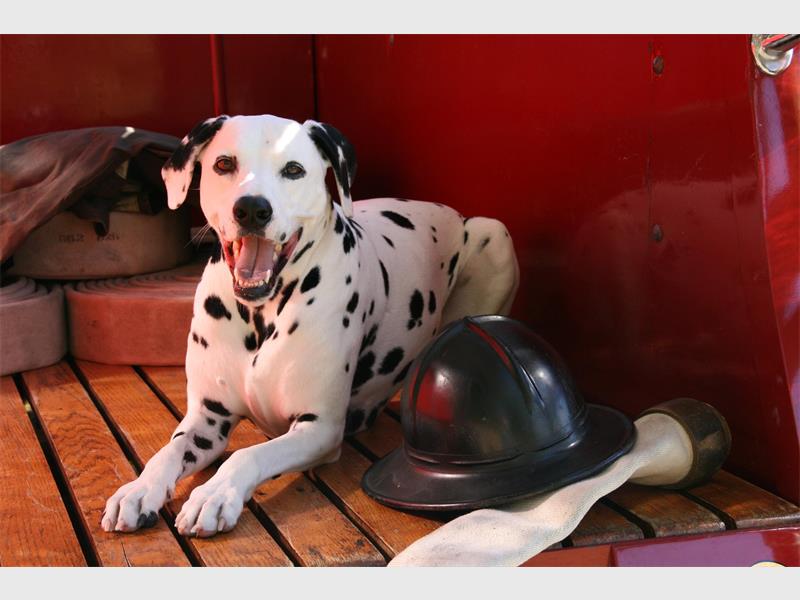
WITH more than half a million pets a year affected by house fires in the United States alone, the safety of our furry friends is something pet owners should take very seriously.
Not only do pets get trapped in fires – they may actually start them. The American Kennel Club offers the following advice on avoiding this happening when you are not at home.
* Extinguish open flames. Pets tend to be curious about flames and will be attracted to candles, lanterns, stoves and open fires. To avoid problems make sure all sources of fire are completely extinguished and do not pose a threat.
* Remove or protect stove knobs. Pets can accidentally turn on stove knobs and start house fires.
* Don’t leave glass bowls on wooden decks. Like starting a fire with a magnifying glass, the reflection of light through glass bowls can generate enough heat to ignite a wooden deck.
* Be alert to loose electrical wires, appliances, and other hazards within your pet’s reach.
* Puppies are notoriously curious and capable of finding trouble. Confining them to crates or pens while you are away will help reduce the risk of them causing a fire.
Even if they didn’t cause the fire themselves, pets are especially vulnerable if fire breaks out.
* Keep pets near entrances. Firefighters can find and rescue pets more easily if they are near entrances. To ensure quick, safe transport, collars, leashes, and carriers should be near these same entrances. Have emergency kits with your pet’s medical information and a supply of medications that they regularly need close together. Know your pet’s safe hiding places and restrict access to them in your absence so they can’t flee there in fear and make it difficult for firefighters to find them.
* Putting a note on a window indicating the number of pets on the premises can help save critical time for firefighters.
* Plan a safe escape route and have leashes and carriers easily accessible. Practise fire drills so your pet is familiar with the routine in case of fire.
* Housing and pens for outside animals should be located clear of brush, bushes, or other vegetation that could act as fuel for a fire. Outdoor pets should wear or have implanted identification in case they flee property during a fire.