You strike a woman, you strike a rock
National Women's Day is celebrated on August 9.
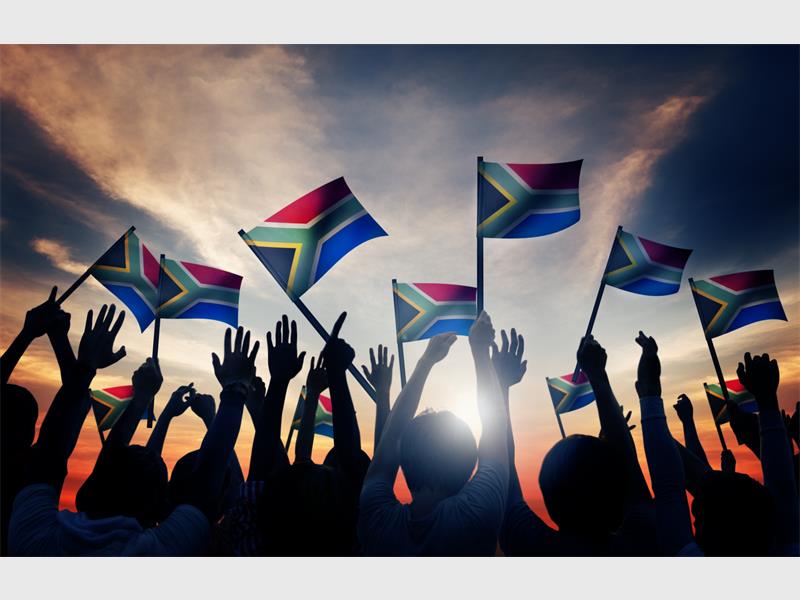
NATIONAL Women’s Day is an annual public holiday held on August 9, commemorating the national march of women on this day in 1956 to petition against the pass laws that required South Africans defined as ‘black’ by The Population Registration Act to carry a ‘pass’, an internal passport that severely restricted their movement.
Each ‘pass’ designated specific urban areas in which the bearer was authorised to live, work and travel. Within such areas, black South Africans were required to carry and produce their ‘pass’ at all times and were arrested if caught without one. As such, it served to maintain population segregation, control urbanisation, and manage migrant labour during the apartheid era.
Most of the restrictions of the Urban Areas Act applied to African men, and efforts to amend the law to make it more inclusive met with strong opposition.
On August 9, 1956, more than 20 000 women of all races staged a march on the Union Buildings in Pretoria to protest against the proposed amendments to the ‘pass laws’ of 1950. They left bundles of petitions containing more than 100 000 signatures at prime minister JG Strijdom’s office doors.
Outside they stood silently for 30 minutes, many with their children on their backs. The women sang a protest song that was composed in honour of the occasion: Wathint’Abafazi Wathint’imbokodo! (Now you have touched the women, you have struck a rock). In the 58 years since, the phrase ‘you strike a woman, you strike a rock’ has come to represent women’s courage and strength in South Africa.
But the march, led by Lilian Ngoyi, Helen Joseph, Rahima Moosa and Sophie Williams, was by no means the beginning of South African women’s campaign for their rights. The Founding Conference of the Federation of South African Women had adopted the ‘Women’s Charter’ more than two years earlier.
The charter goes into a great deal of detail, but the preamble sums up its purpose.
“We, the women of South Africa, wives and mothers, working women and housewives, Africans, Indians, European and coloured, hereby declare our aim of striving for the removal of all laws, regulations, conventions and customs that discriminate against us as women, and that deprive us in any way of our inherent right to the advantages, responsibilities and opportunities that society offers to any one section of the population.”
To receive news links via BBM, add us using the pin 2BABF7D1.
The South Coast Herald is also on Facebook and Twitter – why not join us there?