MEC speaks out against ‘muthi murders’
Some people still believe that human body parts make powerful muthi ingredients.
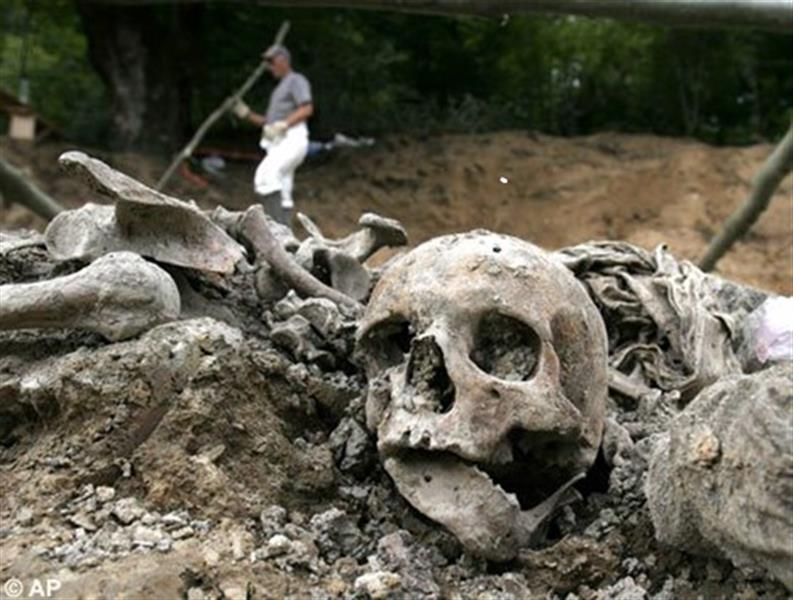
THE MEC for Social Development in KwaZulu-Natal, Weziwe Thusi, has condemned the barbaric killing of Sanathoria Mhlongo (57) of KwaDweshula whose nephew was allegedly found with her intestines and other body parts on Sunday.
MEC Thusi said that a similar incident had happened in Manguzi where a 20-year-old girl with albinism was brutally killed for her body parts.
Thandazile Mpunzi was reported missing on August 5 and a massive search was launched. Bloodstained clothes where found near the home of a local traditional healer. Three youngsters were arrested and they led the police to a shallow grave where her dismembered body was found.
“I am deeply saddened about this murder because it means our people still do not understand the stigma and myths surrounding people with albinism. I wish to remind people that it is not true that the body parts of people – even those with albinism – make potent traditional medicine to give people luck or make them rich.”
According to the website ‘Altered Dimensions Paranormal’, ‘muthi murders’ were a ‘dirty little secret in South Africa’ and the practice was on the rise in South Africa.
It took its name from the Zulu word ‘muthi’, the term for traditional black magic medicines that utilise human body parts and flesh as critical ingredients in order to produce, supposedly, miraculous medicinal effects.
The ‘Journal of Investigative Psychology and Offender Profiling’ explained that in traditional beliefs it was assumed that there was only a certain amount of luck in society. Each individual received a portion of that luck. It was, therefore, believed that if another person was successful, they had obtained an extra portion of luck via devious means, usually the intervention of the supernatural.
The paper went on to explain the perceived value of various body parts in muthi. Research showed that different body parts were used in a recipe for different purposes.For example, eyes were used in a magic ritual to help restore a client’s failing eyesight, severed hands were used to assure business success and genitals to attract luck.
The Herald interviewed a local sangoma/traditional healer from Bhobhoyi, Jobina Luthuli. He said the use of body parts was taboo and could only be construed as ‘witchcraft’.
“Normally I use plants and animal skin,” he said.
“Those who practice ‘muthi murders’ for human organs should be arrested because they bring genuine traditional healers into disrepute,” he said.