National Water Week: iSimangaliso Wetland park one of 22 Ramsar sites
The respect for our valualbe wetlands goes back to ancient times.
AN Ezemvelo KZN Wildlife poster in a hide in uMkhuze Game Reserve tells a story that illustrates how respect for our wetlands harks back to ancient times.
According to legend, a many-headed snake called Nkanyamba guards the the Mbongolwane wetland near Eshowe and if this valuable ecosystem is not accorded due respect, Nkanyamba will become angry and stir up a severe storms.
Yet another myth, which tells how the Zulu people emerged from a bed of reeds, underlines the importance of wetlands as part of South Africa’s cultural heritage.
They are seen as magical meeting places between land and water and, therefore, the physical and spiritual world. Many cultural beliefs surround these sacred places and they are much appreciated as valuable sources of medicinal plants.
YOU MIGHT ALSO BE INTERESTED IN: Invasives and Natives: Nature’s medicine is there for the picking
They are, of course, vital components of a healthy environment, too, great big sponges that soak up rainfall, preventing erosion, controlling run-off, stopping flooding and slowly releasing precious water during drier periods. According to Ezemvelo, they also purify water and support species diversity.
Today, they are increasingly valued for the food, raw materials and tourism opportunities they provide. Spend just a short while at a healthy wetland and you will be surprised by the huge diversity of bird, animal and plant life it attracts and supports.
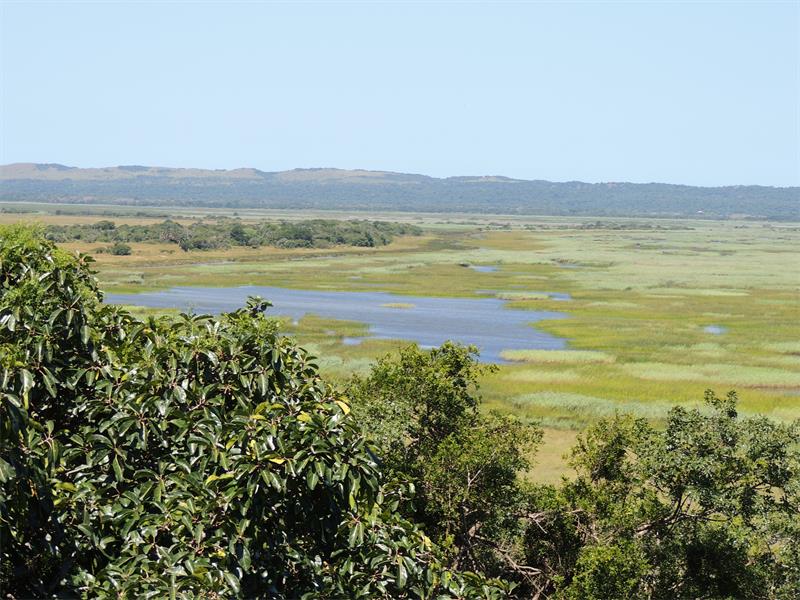
Of course, uMkhuze is part of our wonderful 332 000ha iSimangaliso Wetland Park, a Unesco World Heritage site that incorporates the Lake St Lucia, the world’s oldest protected estuary and Africa’s largest estuarine system, complete with all those soggy grasslands and wetlands that make up the lake’s flood plane.
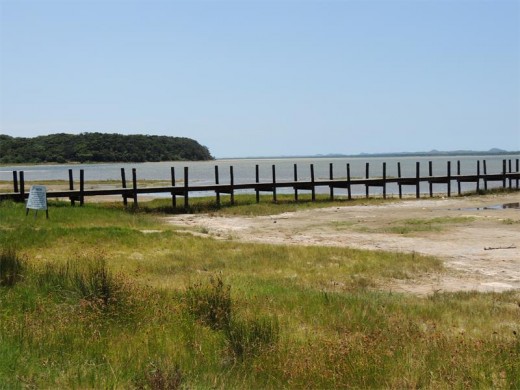
The park is a wonderful illustration of the incredible value of our wetlands and other watery places, supporting as it does an amazingly high levels of biodiversity and viable populations of threatened species. According to the park authorities, more than 50 percent of all water birds in KwaZulu-Natal feed, roost and nest there.
Of the 155 fish species that have been recorded in the Lake St Lucia estuarine system, 71 species use St Lucia as a nursery area and at least 24 of these are important in marine line fisheries. Some 800 hippos and 1 200 crocodiles call the park their home.
The health of the estuarine system and surrounding wetlands is directly linked to the livelihoods of people in the area. Harvests of raw materials, particularly sedges, are estimated to be worth around R7,5 million a year. The contribution of the estuarine floodplain areas to livestock grazing is estimated at R3,6 million per year.
YOU MIGHT ALSO BE INTERESTED IN: Tent Travels: Praise for our wetland park
The health of the St Lucia ecosystem is directly linked to the livelihoods of people in the area. This amazing park is situated in the uMkhanyakude District Municipality, one of the poorest and most underdeveloped local authorities in South Africa.
Over 80 percent of households live below the poverty line and only about 16,5 percent of the population is formally employed. Some 80 000 people live within 15km of the Lake St Lucia estuarine system and use the system extensively.
Tourism related to the Lake St Lucia estuary area employs an estimated 1 291 direct full-time equivalent jobs and 6 924 indirect jobs. There are about 510 000 visitors per annum, of whom 42 percent are foreign visitors who spend R46-million on an estimated 157 000 tourism activities from local operators.
Much time, funding and dedication has gone into polishing this KwaZulu-Natal jewel. For instance since its inception programmes have seen the removal of some 12 000ha of alien plants and commercial forests.
Wetland and dune rehabilitation programmes, the introduction of game, the building of new roads, game fences, new water supply and bulk electricity supply systems and substations have all contributed to the establishment of the park.
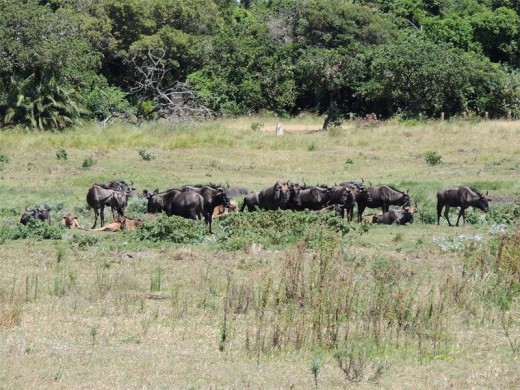
This rehabilitation process also highlights some of the many threats facing our wetlands throughout South Africa. According to Ezemvelo, these include drainage for agricultural purposes, soil erosion caused by bad land management, incorrect placement of dams and roads, urban development and overgrazing.
As well as a Unesco World Heritage site, iSimangaliso Wetland Park has been a Ramsar Wetland of International Importance since 1986 and is just one of 22 Ramsar sites in South Africa. Together their surface area covers 555,678 hectares.
In South Africa, our wetlands are honoured on World Wetlands Day, a celebration that started in 1997 and is observed on February 2, the anniversary of the Ramsar Convention, a wetlands gathering, which took place in the Iranian city of Ramsar near the Caspian Sea on February 2, 1971.
Around 160 countries have signed the Ramsar treaty that provides the framework for national action and international cooperation for the conservation and wise use of wetlands and their resources.
It is also important to think about how valuable they are as South Africa celebrates National Water Week between March 20 and 26.
HAVE YOUR SAY
Like our Facebook page, follow us on Twitter and Instagram
For news straight to your phone, add us on BBM 58F3D7A7 or WhatsApp 082 421 6033