Farmers practise agroecology for nutritious food security
Agroecology optimises for dietary diversity as a child eating maize, beans, spinach, and eggs from home-reared chickens receives a complete diet.
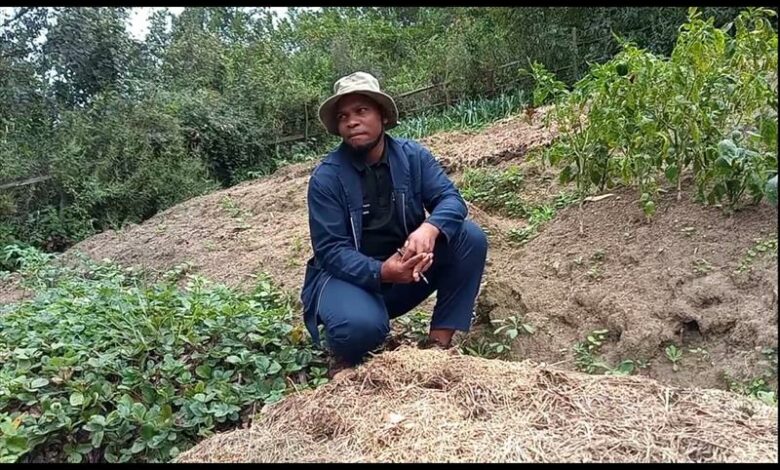
Scaling up agroecology initiatives has proven to be a solution to food insecurity and malnutrition in Ugu as well as KZN, as a quiet shift is changing how families eat nutritious food from their own farms and gardens.
Now communities are trained to shift from where households once depended on food grants and maize meal as farmers are now harvesting diverse crops, feeding their children, and selling the surplus at local markets.
Siyavuna Development Centre in Ramsgate has trained more than 2000 farmers on agroecology which is more than just organic farming. It’s a system that combines ecological science with traditional knowledge to produce food while restoring soil, water, and biodiversity for subsistence and commercial farming, enabling local farmers to produce to eat and sell their surplus thus dismantling the shackles of poverty.
The centre’s Philani Ndwandwe said for South Africa, where 25% of households experience hunger and child stunting remains above 20%, scaling up agroecology offers a practical path to both food security and nutrition.
“Conventional agriculture relies on monocrops and chemical inputs and can produce calories cheaply, but it often fails to deliver nutrition. A diet of maize alone lacks protein, iron, and vitamins, which contributes to malnutrition. One drought, one pest outbreak, and the harvest is gone while input costs for fertilizer and pesticides keep rising, pushing small farmers further into debt. Intercropping maize with beans and pumpkins provides protein and vitamins in one plot,” said Ndwandwe.
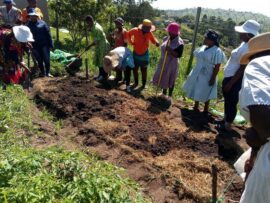
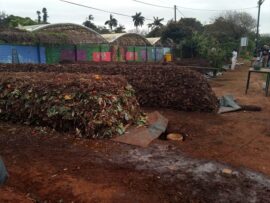
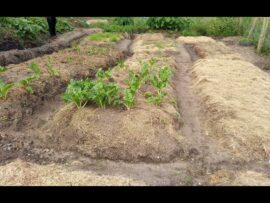
According to Ndwandwe, a small farmer in Oshabeni, Mthobisi Hlongwa, said since he started practising agroecology, his crops are no longer eroded by heavy rains as he plants on raised beds. He further said that agroecology techniques such as mulching help in suppressing weeds and keeping his planting beds moist for longer periods.
Ndwandwe stated that farmers who once struggled to feed their families now produce surplus for the Kumnandi brand, generating income while improving diets at home. One such example is Nqobile Nqetho, who lives in Mvutshini.
Over the last six years, she has moved away from conventional methods towards agroecology. “For me, this means working with nature instead of working against it. Having an integrated farm, I feed my pigs, goats, and chickens with crop residues, weeds, and extra greens from my garden. My livestock then give me kraal manure in return. I stopped using synthetic fertilizers, and instead, I use compost, animal manure, and crop rotation to keep the soil fertile. This system saves me money on feed and fertilizers,” said Nqetho.
According to Ndwandwe, municipalities in KZN have begun including agroecology in their local economic development plans, providing land access and water harvesting infrastructure like rainwater tanks and contour planting to local farmers in their commu
nities.
“Agroecology optimises for dietary diversity. A child eating maize, beans, spinach, and eggs from home-reared chickens receives a complete diet. That combination reduces stunting and improves long-term health outcomes. If South Africa wants to end hunger and malnutrition sustainably, the solution lies in restoring the capacity of local farmers to feed their communities,” concluded Ndwandwe.
HAVE YOUR SAY
Like the South Coast Fever’s Facebook page