Today in History: Alexander the Great dies
The young man who controlled what was then the largest empire in the history of the world, died in Babylon on June 13, 323 BC.
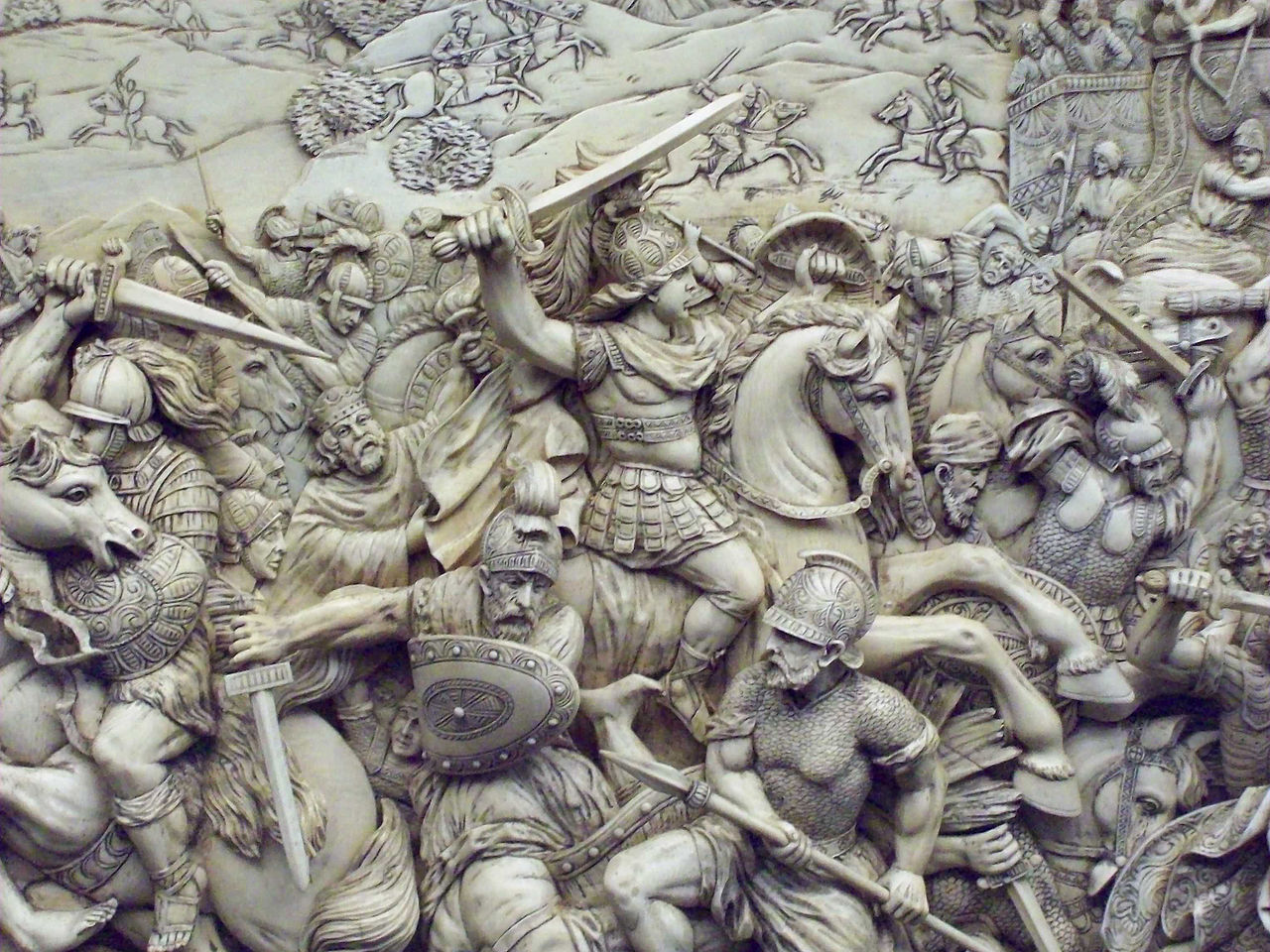
ALEXANDER the Great, the young Macedonian military genius who forged an empire stretching from the eastern Mediterranean to India, died in Babylon, in present-day Iraq, at the age of 33.
Born in Macedonia to King Phillip II and Queen Olympias, Alexander received a classical education from famed philosopher Aristotle and a military education from his father.
YOU MIGHT ALSO BE INTERESTED IN : Today in History: Last iconic Ford ‘Tin Lizzie’ rolls off the production line
At the age of 16, Alexander led his first troops into combat and, two years later, commanded a large part of his father’s army that won the Battle of Chaeronea and brought Greece under Macedonian rule.
In 336 BC, Phillip II was assassinated and Alexander ascended to the throne. Two years later, the young king led a large army into Asia Minor to carry out his father’s plans for conquering Persia.
Consistently outnumbered in his battles against superior Persian forces, Alexander displayed an unprecedented understanding of strategic military planning and tactical manoeuvres.
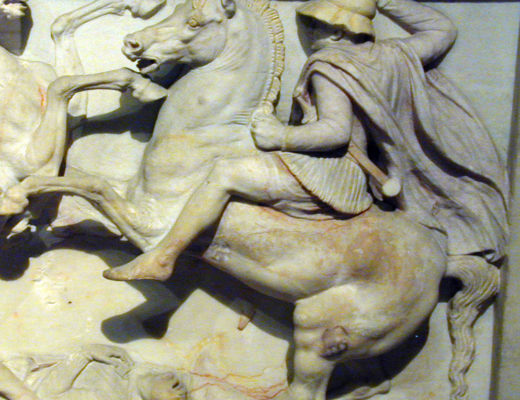
He never lost a single battle and, by 330 BC all of Persia and Asia Minor was under his sway. Within his empire, he founded great and lasting cities – such as Alexandria in Egypt – and brought about sweeping political and economic changes based on the advanced Greek models taught to him in his youth.
Although Alexander controlled the largest empire in the history of the world, he launched a new eastern campaign soon after his return from Persia.
By 327 BC, he had conquered Afghanistan, Central Asia, and northern India. In the next year, his army, exhausted after eight years of fighting, refused to go further and Alexander led them on a difficult journey home through the inhospitable Makran Desert.
Finally reaching Babylon, Alexander began constructing a large fleet to take his army back to Egypt. However, in June 323 BC, just as the work on his ships was reaching its conclusion, Alexander fell sick after a prolonged banquet and drinking bout and died.
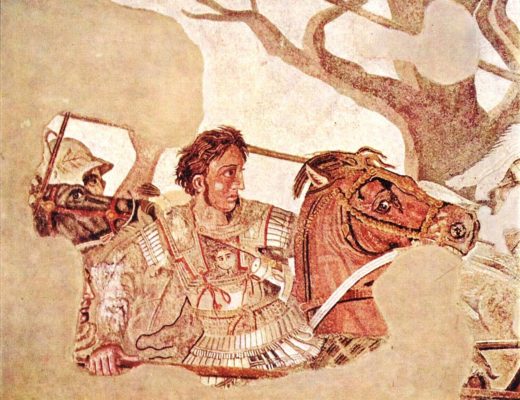
Perhaps earnestly believing himself to be a god (as many of his subjects did), he had not selected a successor and, within a year of his death, his army and his empire broke into a multitude of warring factions. His body was later returned to Alexandria, where it was laid to rest in a golden coffin.
HAVE YOUR SAY
Like our Facebook page, follow us on Twitter and Instagram
For news straight to your phone, add us on BBM 58F3D7A7 or WhatsApp 082 421 6033