Muslims begin holy Eid ul-Adha celebrations
The 'Sacrifice Feast' started today and will last 10 days.
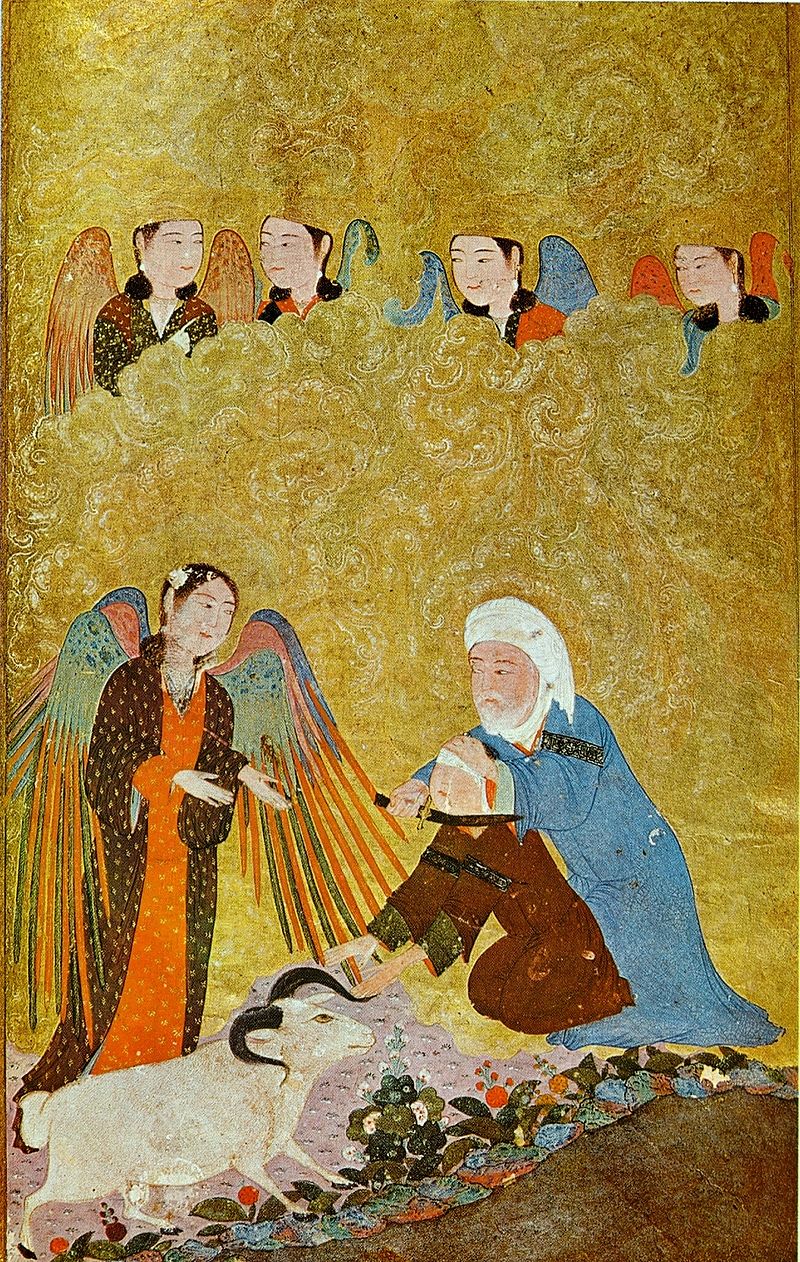
EID ul-Adha, also called the ‘Sacrifice Feast’, is the second of two Muslim holidays celebrated worldwide each year, and considered the holier of the two.
It honors the willingness of Ibrahim (Abraham) to sacrifice his son, as an act of submission to God’s command.
Before he sacrificed his son, God intervened by sending his angel Jibra’il (Gabriel), who then put a sheep in his son’s place.
In commemoration of this, an animal is sacrificed and divided into three parts: the family retains one third of the share; another third is given to relatives, friends and neighbors; and the remaining third is given to the poor and needy.
In the Islamic lunar calendar, Eid ul-Adha falls on the 10th day of Dhu ul-Hijjah.
In the international (Gregorian) calendar, the dates vary from year to year drifting approximately 11 days earlier each year.
Eid ul-Adha is the latter of the two Eid holidays, the former being Eid ul-Fitr.
The word Eid appears once in Al-Ma’ida, the fifth sura of the Quran, with the meaning ‘solemn festival’.
Like Eid ul-Fitr, Eid ul-Adha begins with a prayer of two rakats followed by a sermon (khutbah).
YOU MAY ALSO BE INTERESTED IN: Act of kindness inspires a nation – Solly Bux and Judge Zondo
Eid ul-Adha celebrations start after the descent of the Hujjaj, the pilgrims performing the Hajj, from Mount Arafat, a hill east of Mecca.
Eid sacrifice may take place until sunset on the 13th day of Dhu ul-Hijjah.
The days of Eid have been singled out in the Hadith as ‘days of remembrance’ and considered the holiest days in the Islamic Calendar.
The takbir (days) of Tashriq are from the Maghrib prayer of the 29th of Dhul-Qadah up to the Maghrib prayer of the 13th of Dhu ul-Hijjah (thirteen days and nights).
(Source: Wikipedia)
HAVE YOUR SAY
Like our Facebook page, follow us on Twitter and Instagram
For news straight to your phone, add us on BBM 58F3D7A7 or WhatsApp 082 421 6033