Managing diabetes and fasting safely during Ramadan
Given its significance in Islamic faith, not being able to participate in Ramadan (which starts May 17)) due to a health condition can be a devastating blow.
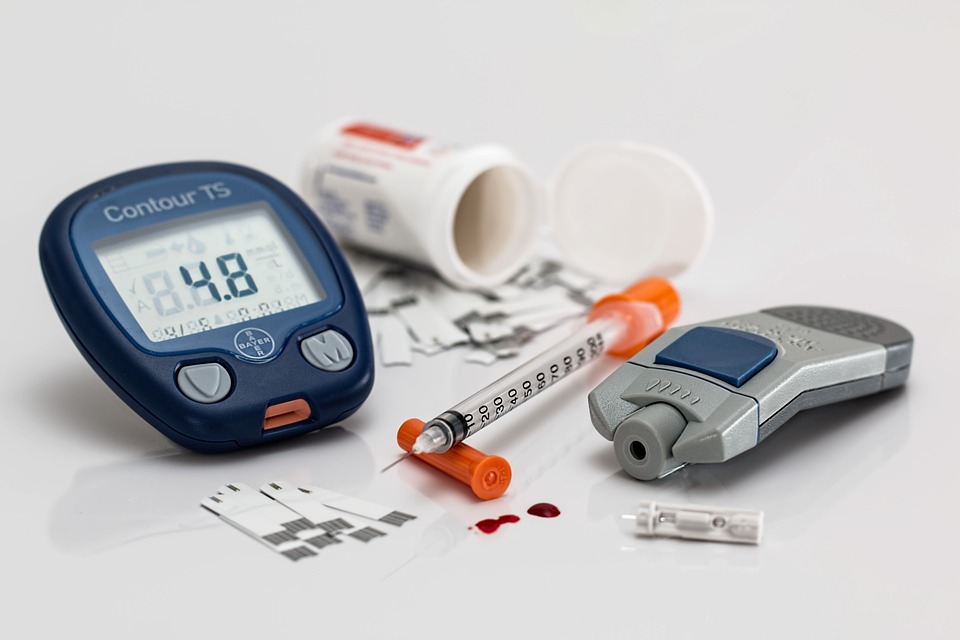
ALTHOUGH the Qur’an specifically exempts people with a medical condition from the duty of fasting, many people living with diabetes still choose to fast.
“Fasting presents significant challenges for people living with diabetes in managing blood sugar levels, which is why patients with diabetes should consult with a healthcare specialist at least one month prior the holy month of Ramadan to find out if they can fast safely,” says Dr Aneesa Sheik, medical director of Lilly South Africa.
YOU MIGHT ALSO BE INTERESTED IN: Coping with headaches during Ramadan
The lack of food and water during the day, along with a heavy evening meal, can create serious health issues for people living with diabetes. They face major disruptions to their diet and daily routines, which may lead to serious complications, among which are low or high blood sugar levels. Studies have shown that there is an increased risk of severe low blood sugar levels for people with type 1 or type 2 diabetes, especially for those who change the dosages of their oral medications or insulin.
A blood sugar level that is too low and left untreated can cause confusion, clumsiness, or fainting, and in the case of severe low blood sugar, can lead to seizures, coma, and even death. A high blood sugar level can damage blood vessels and, over a long period of time, can result in serious complications, including irreversible organ damage.
In general, fasting is very challenging for people living with diabetes, particularly patients with type 1 diabetes, who are dependent on insulin. Muslims with diabetes who wish to fast must plan diligently for a safe and healthy Ramadan.
(Information from Lilly South Africa)
HAVE YOUR SAY
Like our Facebook page, follow us on Twitter and Instagram
For news straight to your phone, add us on WhatsApp 082 421 6033