May 17 is World Hypertension Day: 1 in 3 South Africans live with this ‘silent killer’
Spread the word that high blood pressure can lead to heart disease and stroke, making regular blood pressure checks vitally important.
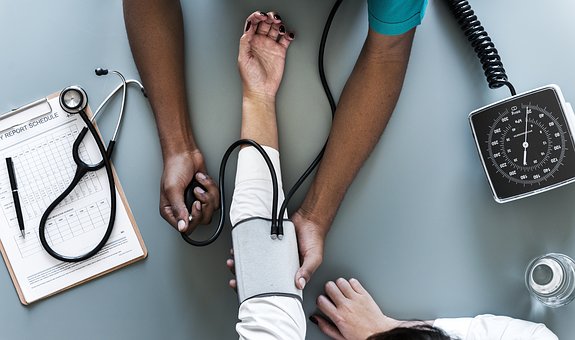
Hypertension (high blood pressure) is known as the ‘silent killer’ because, despite there being no signs or symptoms, it can lead to serious cardiovascular disease. A blood pressure test is the only way to find out if your blood pressure is too high.
YOU MIGHT ALSO BE INTERESTED IN: 9 Ways to keep blood pressure under control
“South Africa has seen an exponential growth in hypertension or high blood pressure (BP) over the last 20 years,” says Professor Bryan Rayner, nephrologist and director of the Hypertension Institute at the University of Cape Town. “In a sense we are facing a national health emergency, but because the links between high BP and death, heart disease and stroke are indirect, public awareness is poor.”
Risk factors
“Risk factors for hypertension are a family history of hypertension, diabetes or stroke; obesity; African ethnicity; sedentary lifestyle; diabetes; high BP in pregnancy; and a poor diet with excess alcohol, sugar and salt,” says Rayner. “High BP generally causes no symptoms before it strikes unexpectedly. But the very good news is that medication, combined with a healthy lifestyle, can prevent complications.”
In 2017, an estimated 42% to 54% of people were suffering from hypertension in South Africa and this figure is expected to increase. Moreover, hypertension is the leading risk factor for heart disease and stroke. Other complications can include heart failure, peripheral vascular disease, renal impairment, retinal haemorrhage and visual impairment. Hypertension is the leading cause of mortality, with an estimated 1.2 billion sufferers globally. In South Africa, more than 1 in 3 adults live with high blood pressure and it is responsible for 1 in every 2 strokes and 2 in every 5 heart attacks.
A study by Wits University scientists and peers has revealed that South Africa also has the highest prevalence of hypertension in southern Africa, as well as the largest number of people whose blood pressure is still not controlled, even while on treatment.
According to Dr Stuart Ali, project manager and researcher at the Sydney Brenner Institute for Molecular Bioscience at Wits University, “For men, only 40% were aware of their hypertension condition. Of those who knew and were being treated, only 39% had controlled blood pressure. For women, the picture was better with 54% being aware of their hypertension condition, and of those undergoing treatment, 51% had controlled blood pressure.”
“No one is immune to hypertension – black or white, male or female, rich or poor, old or young, overweight or thin, fit or unfit – and it is essential that everyone has their BP screened regularly especially if you have risk factors for hypertension,” says Rayner. “If your BP is greater than 140/90, further evaluation is required by a health professional. If your BP is between 130-140/80-90, implement lifestyle changes as you are at risk for hypertension.”
Blood pressure screening empowers people to know where they stand and allows them to manage their blood pressure to reduce their risk of a cardiovascular event.
HAVE YOUR SAY
Like the South Coast Herald’s Facebook page, follow us on Twitter and Instagram
For news straight to your phone, add us on WhatsApp 082 421 6033