June 1: On This Day in World History … briefly
Interesting historic snippets and facts taken from the book ‘On This Day’ first published in 1992 by Octopus Publishing Group Ltd, London.
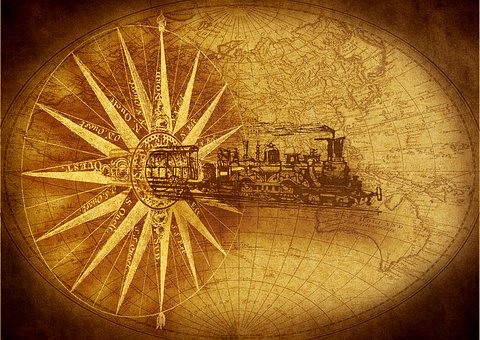
1621: Settlers in the New England colony of New Plymouth had been wondering just how secure their settlement was, but a patent issued on June 1 by the Council for New England, has put their minds at rest. When the Pilgrims, a group of religious dissenters, set sail in the Mayflower from Plymouth, England, on their 66-day voyage in 1620, they carried with them a patent from the Virginia Company granting them territory in Virginia and allowing them the right to self-government. Their plans went wrong however when sever weather at sea put them off course, forcing them to land outside the limits of the grant. Although the new patent gave them the title to the land, the Pilgrims had to sort out the government question for themselves. Fortunately, before disembarking, they had already entered into a solemn covenant with each other, which they called the Mayflower Compact. The terms bound them, as a body, to form a government and to abide by any laws it made.
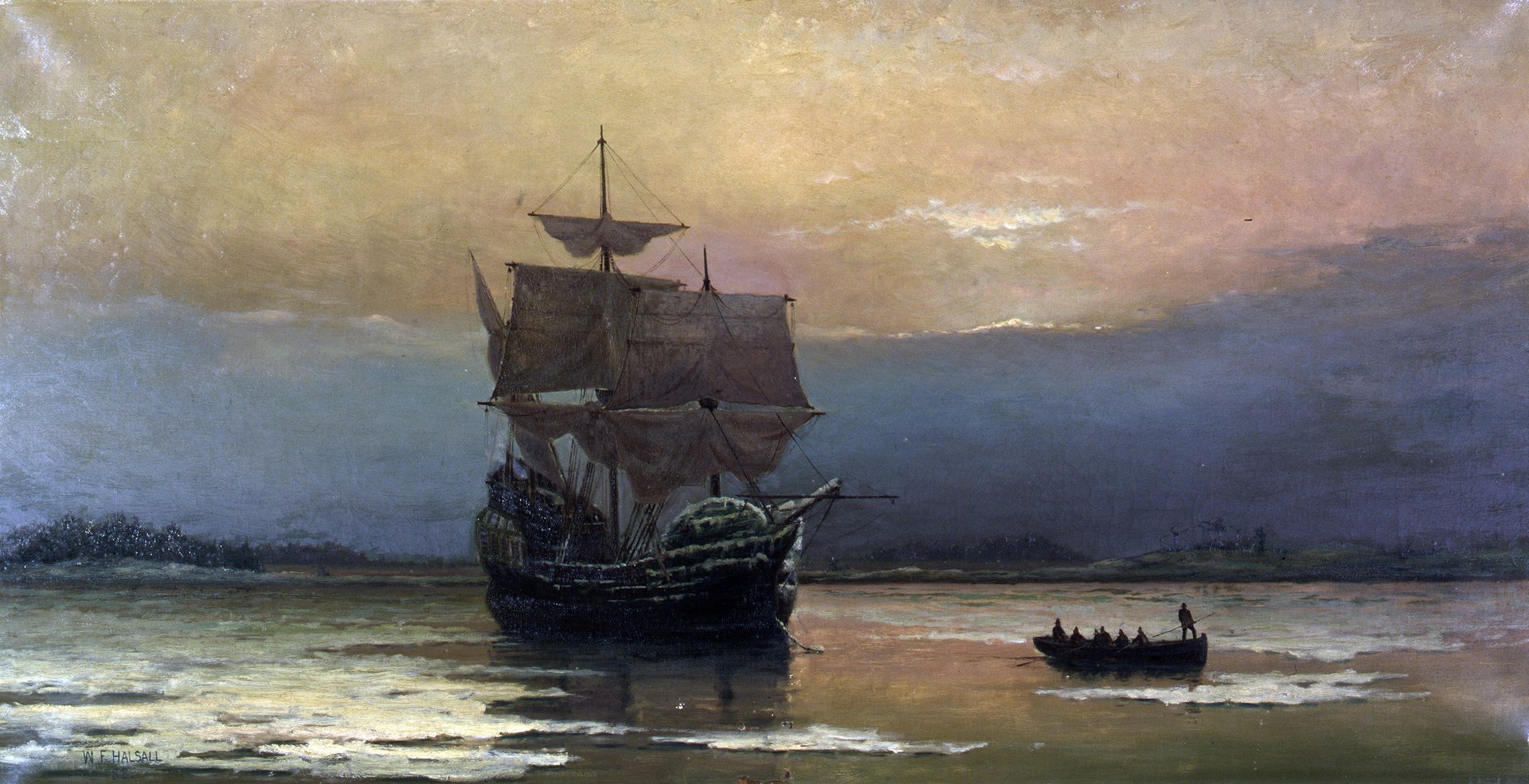
1815: Napoleon Bonaparte swears fidelity to the French constitution.
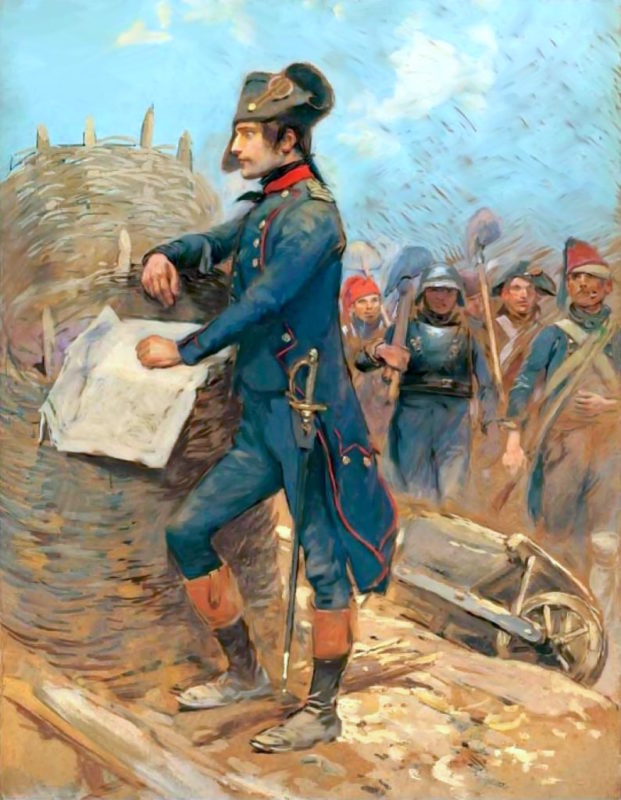
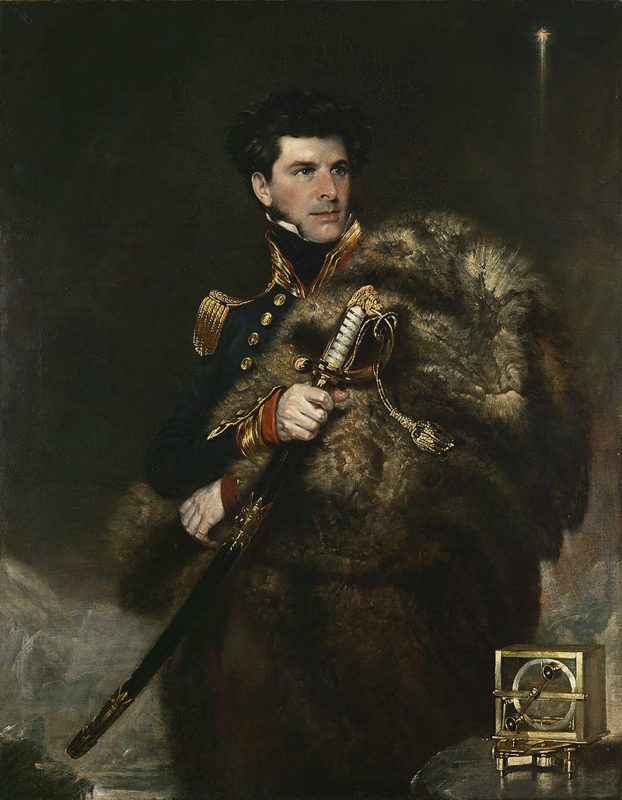
1831: Sir James Clark Ross locates the magnetic North Pole on his Arctic expedition with Admiral Parry.
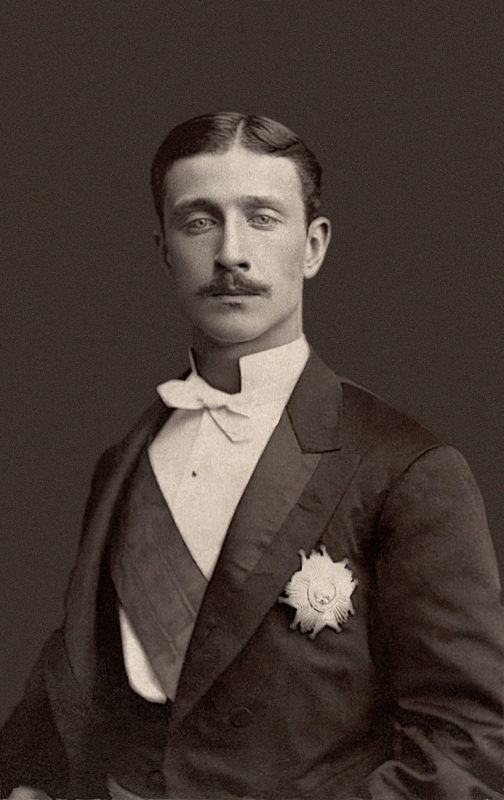
1879: Eugène Louis Jean Napoleon, Prince Imperial of France, is killed in the Zulu campaign in South Africa.
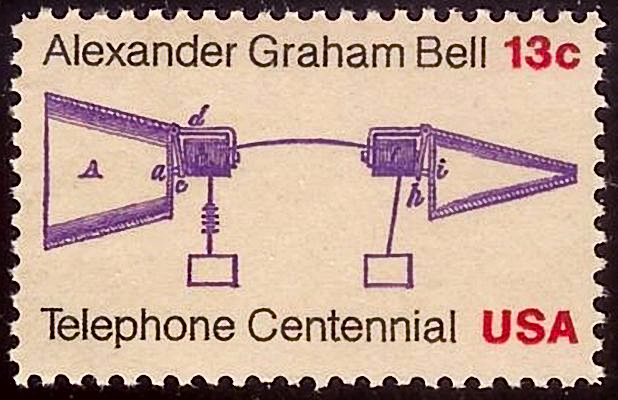
1880: The inhabitants of New Haven, Connecticut, tried out a new public facility – the world’s first ‘public’ telephone, located in the Connecticut Telephone Company office in Yale Bank Building. Those wishing to use the telephone had to pay a toll to the attendant.
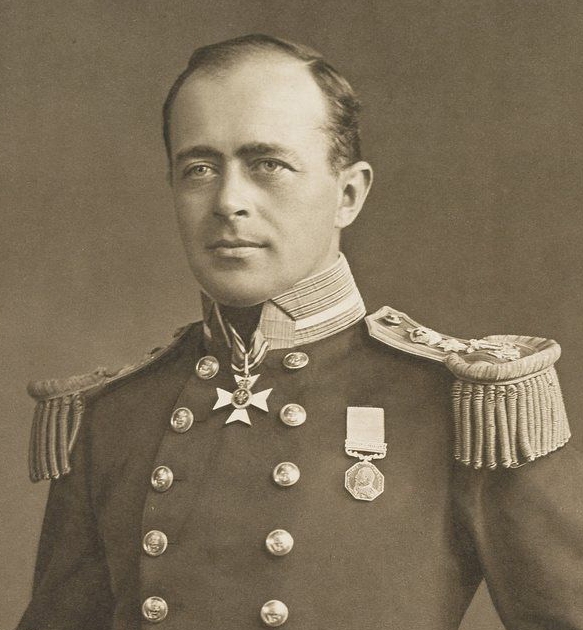
1910: Captain Robert Falcon Scott sails out to London’s East India docks in the Terra Nova, bound for the South Pole.
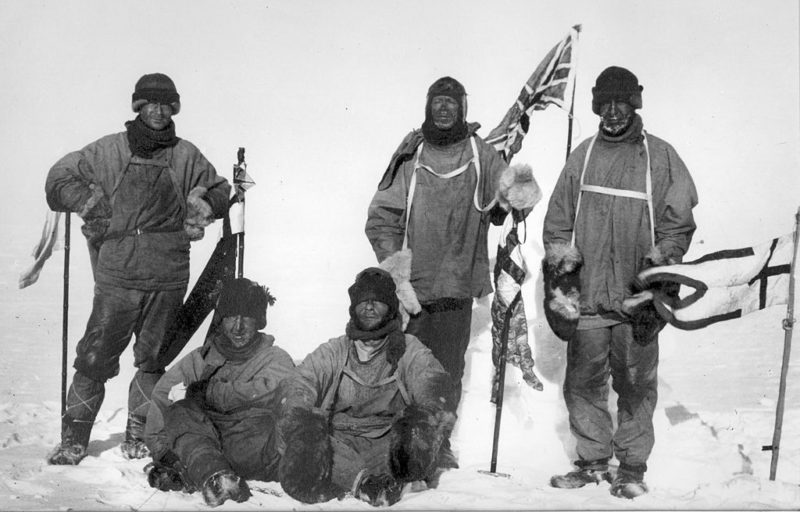
1935: In the interests of road safety, the British government introduces a test for would-be motorists. The test put drivers through their paces, checking how well they could manoeuvre a vehicle, how good their eyesight was and how well they knew the rules of the road.
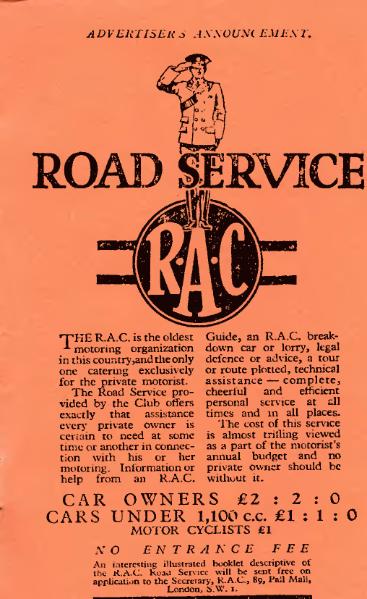
1939: While carrying out trials in Liverpool Bay, the Royal Navy submarine Thetis leaks carbon monoxide, poisoning 70 of its crew.
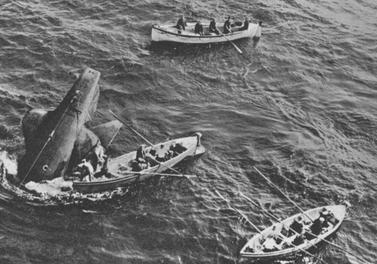
1942: Television licences are first issued in Britain.

1959: Death of Sax Rohmer, the English author who created Dr Fu Manchu.
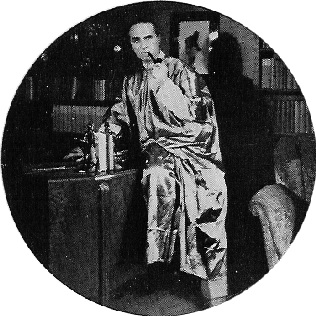
1966: Purist folk fans boo Bob Dylan at the Royal Albert Hall in London when he uses an electric guitar for the first time in Britain.
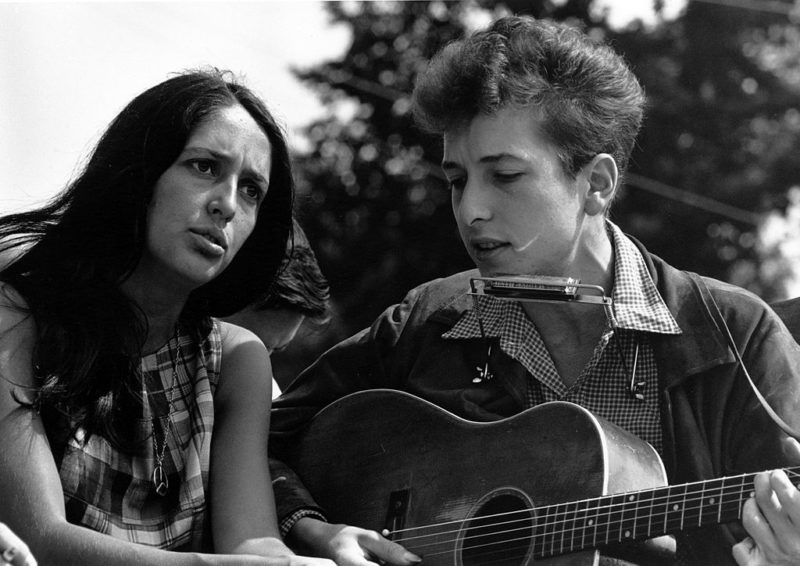
1967: The Beatles, indisputably the foremost British pop group of the decade, releases their album ‘Sergeant Pepper’s Lonely Hearts Club Band’. The new release, a distinctive blend of pop, symphonic and Indian music forms, is the greatest achievement in their creative output to date, and looked set to become a Beatles classic. Over the eight years since their beginnings in Liverpool, the group continued to experiment, producing even more inventive and sophisticated work, and their enormous contribution to the pop music industry can never be underestimated.
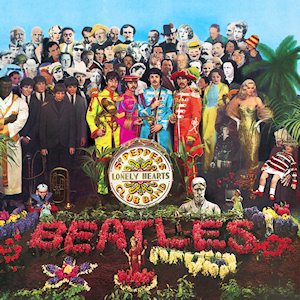
1968: ‘How reconcile this world of fact with the bright world of my imagining? My darkness has been filled with the light of intelligence, and behold, the outer daylight world was stumbling and groping in social blindness.’ Quote by deaf and blind author Helen Keller, who died on this day.
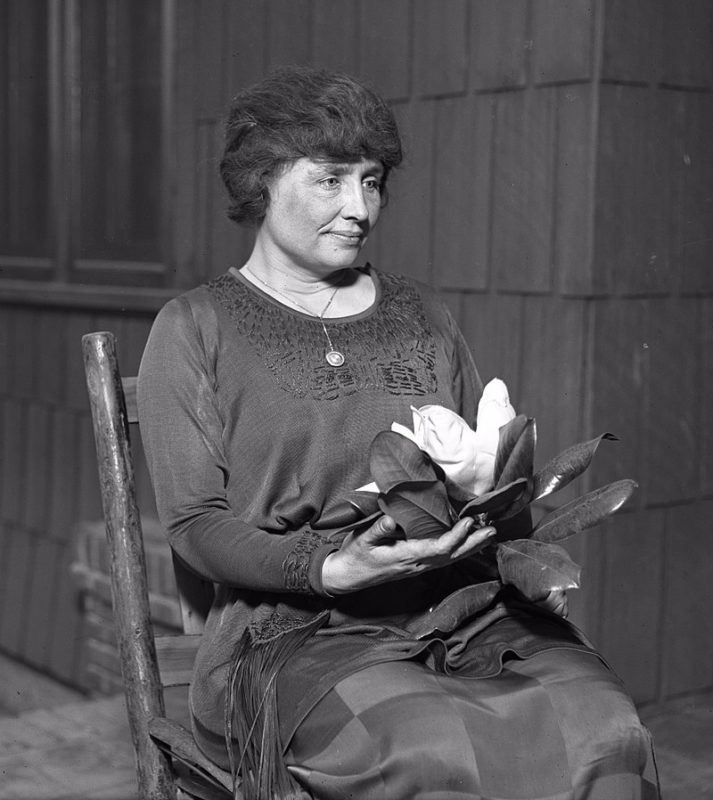
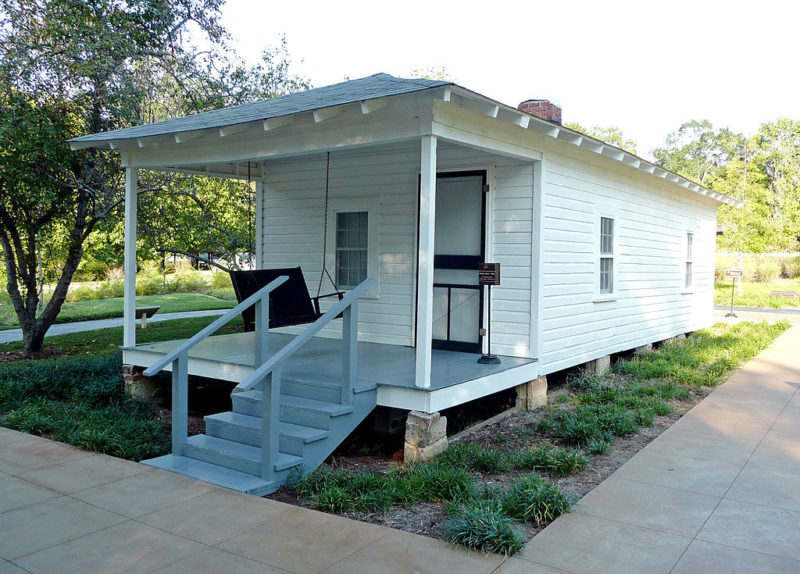
1971: The two-room shack in Tupelo, Mississippi, where Elvis Presley was born is opened to the public as a tourist attraction.
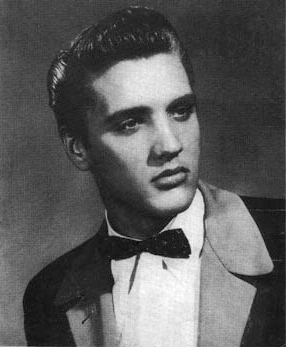
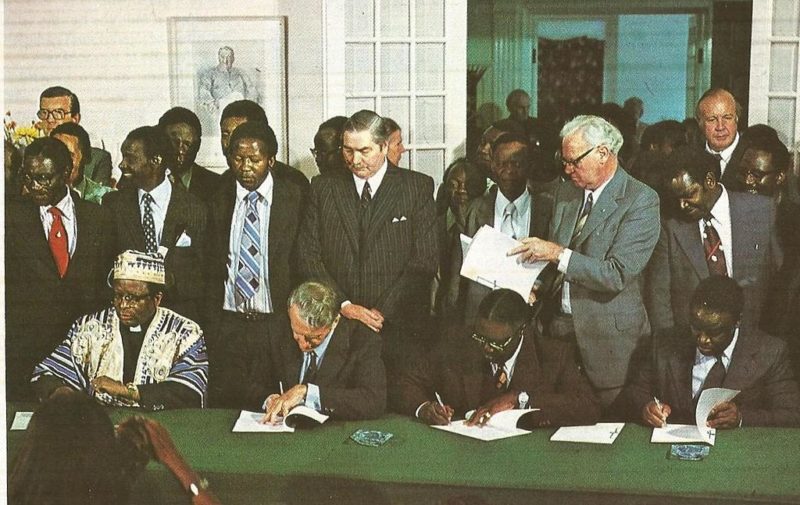
1979: Rhodesia takes the name of Zimbabwe.
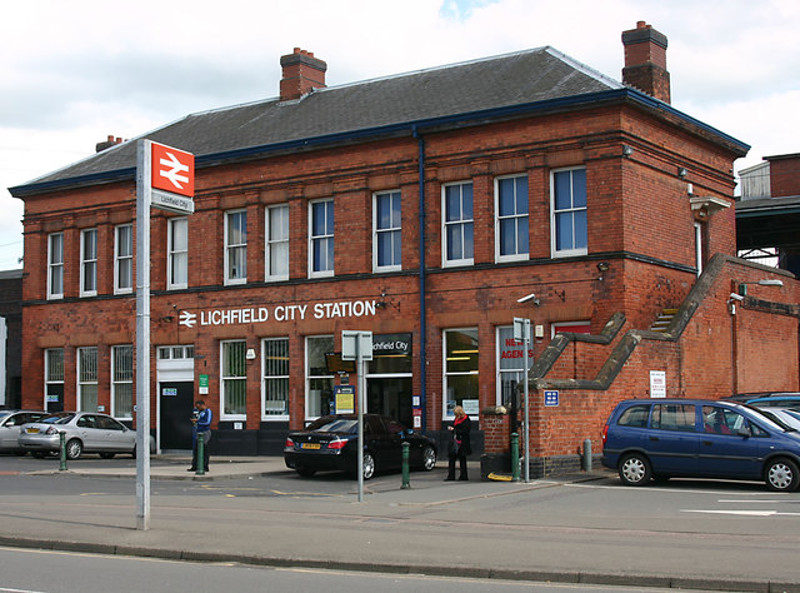
1990: IRA gunmen kill a soldier in Lichfield station, Staffordshire, England.
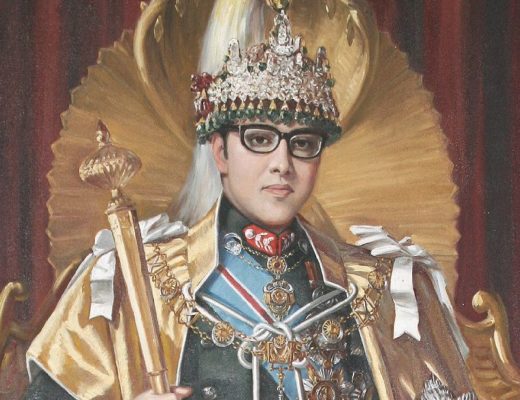
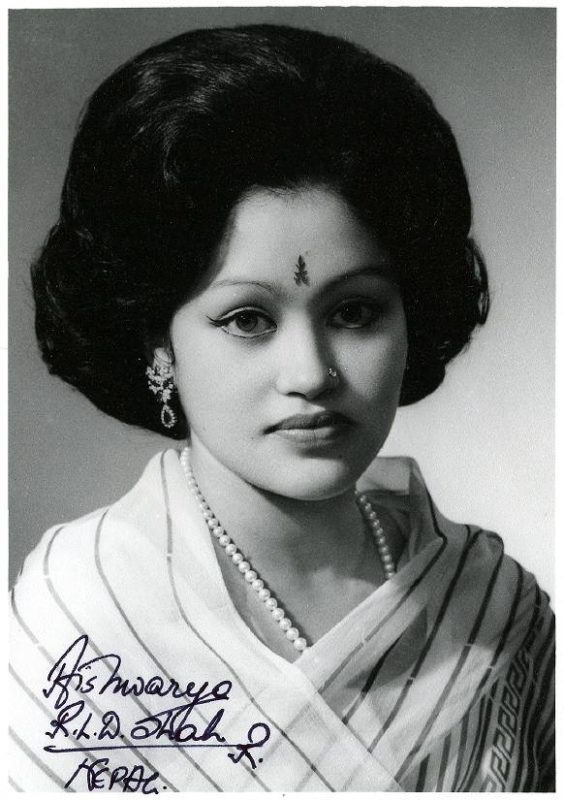
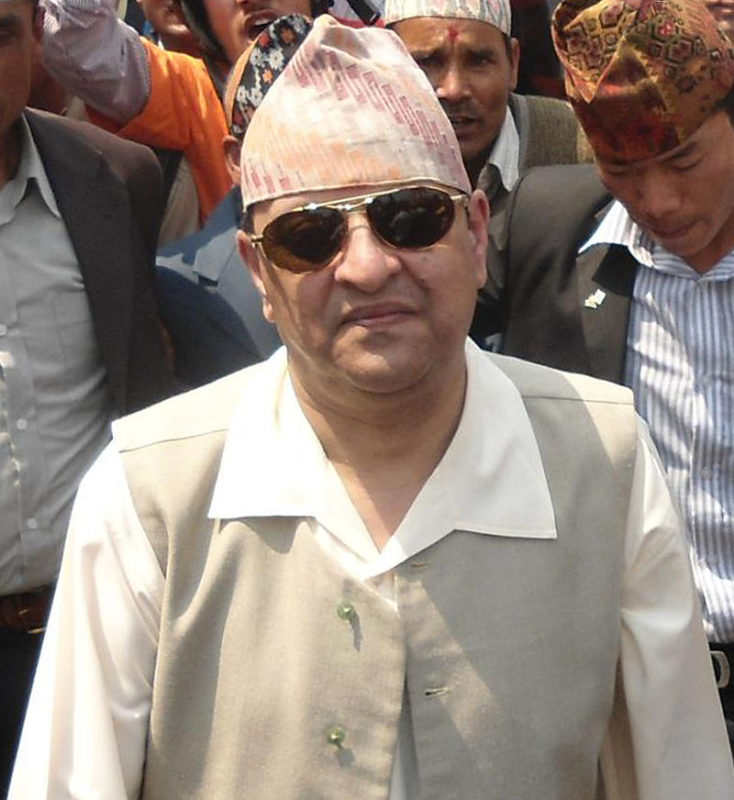
2001: The Himalayan kingdom of Nepal was thrown into deep crisis with the murders of 11 members of the Royal Family, including King Birendra and Queen Aiswarya, during a banquet. Prince Dipendra, heir to the throne, was named the killer. It was believed that he shot dead his parents and relatives, then turned the gun on himself. There was no official word about what triggered the violence, though reports suggested that the incident followed an argument about the prince’s choice of bride. Although the prince was gravely ill in hospital, royal tradition meant that he was the rightful successor to the throne. King Birendra’s brother, Prince Gyanedra, was appointed regent until the fate of the crown prince was known.
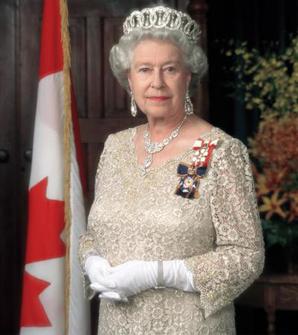
2002: Many Britons took part in wide-ranging celebrations to mark the Queen’s Golden Jubilee. There was a classical prom in the grounds of Buckingham Palace, hosted by the Queen and the Duke of Edinburgh. The People’s Party began with garden and street parties and a three-hour concert at the palace. Irish band The Corrs played at the Queen’s Golden Jubilee concert with artists as varied as Ozzy Osbourne and Will Young. A fleet of warships sailed into Chatham Historic Dockyard to take part in the three-day maritime and military celebration attended by the Princess Royal. There was a ceremonial procession in central London the day the Jubilee weekend celebrations came to an end.
HAVE YOUR SAY
Like our Facebook page, follow us on Twitter and Instagram
For news straight to your phone, add us on BBM 58F3D7A7 or WhatsApp 082 421 6033