June 7: On This Day in World History … briefly
Interesting historic snippets and facts taken from the book ‘On This Day’ first published in 1992 by Octopus Publishing Group Ltd, London.
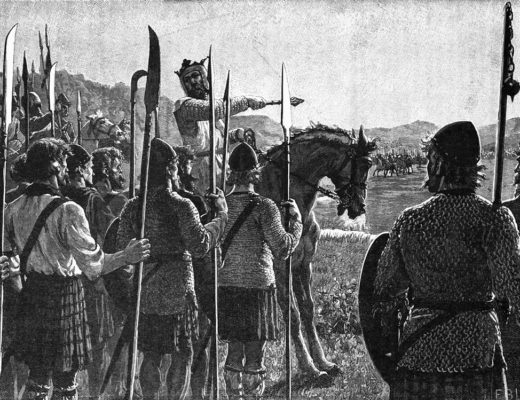
1329: All Scotland was in mourning for the death of King Robert I, who finally succumbed to leprosy, from which he had been suffering for some time. Familiarly known as Robert de Bruce, the King seized the throne in 1306, at a time when his country was under English domination and was immediately attacked and driven into hiding by English forces. Refusing to accept defeat, he returned to earn a place in Scottish history with his legendary victory at the Battle of Bannockburn in 1314, when he routed the armies of Edward II and drove the English off Scottish soil. Despite his victory, it would be another 14 years before the English finally agreed to accept Robert as the rightful king of Scotland.
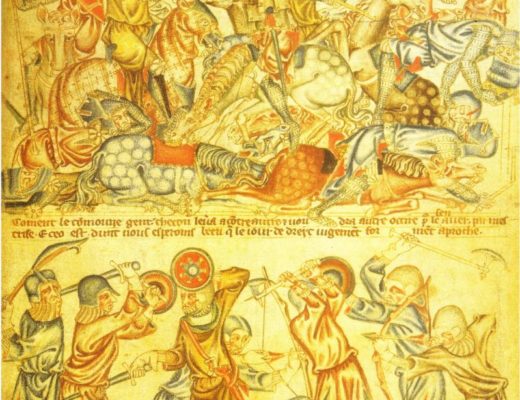
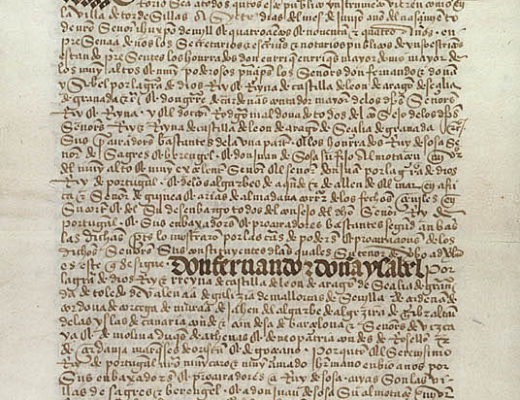
1494: The ongoing feud between Spain and Portugal over territorial rights was finally resolved as ambassadors from both countries signed a treaty at Tordesillas in northern Spain. The dispute goes back to 1493 when Pope Alexander VI set a line of demarcation running from pole to pole 100 leagues off Cape Verde islands off the African coast, giving Spain exclusive rights to the region west of the line, and Portugal rights to the east. Both powers sent expeditions to explore unknown territories, and the Pope’s ruling was an attempt to settle any rival claims to the land. While accepting the principle of demarcation, Spain feared Portuguese incursions and there protests from Portugal that the division did not allow enough room at sea for her African voyages. The agreement affirmed the papal division, but moved the demarcation line a further 270 leagues west of its original position.
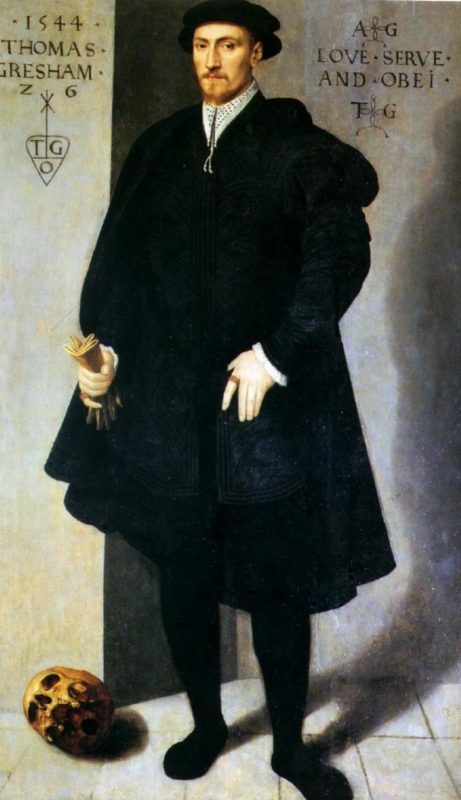
1566: Sir Thomas Gresham lays the foundation stone of the first Royal Exchange in London.
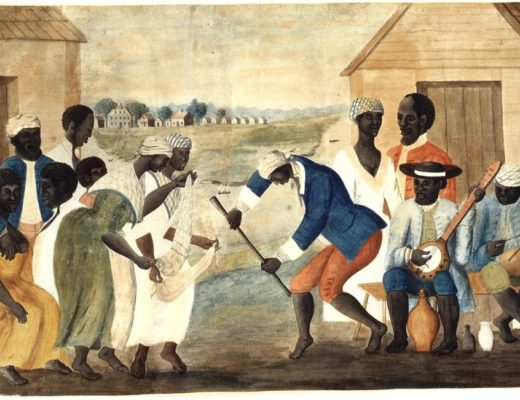
1712: Philadelphia bans the import of slaves.
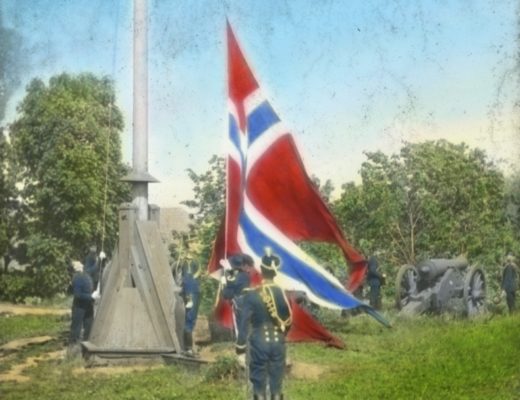
1905: Norway declares its independence from Sweden.
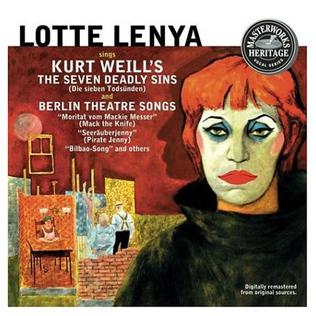
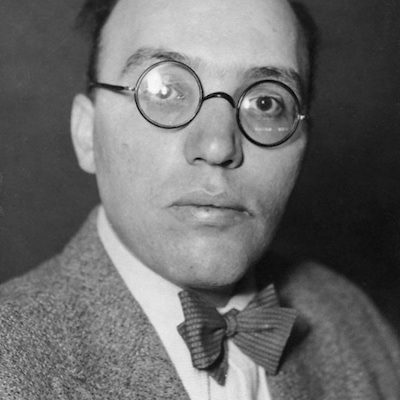
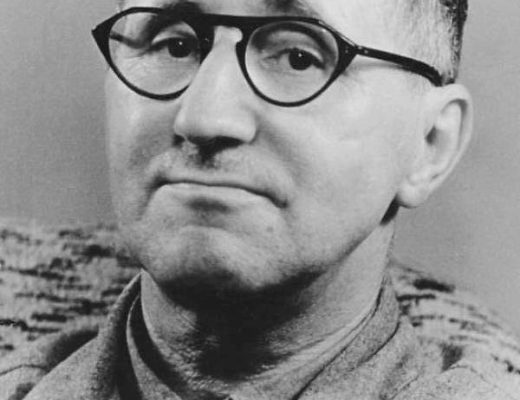
1933: The ballet ‘The Seven Deadly Sins’ is premiered in Paris with choreography by Georges Balanchine and music and libretto by Kurt Weill and Bertolt Brecht.
1937: Hollywood star Jean Harlow, the original platinum blonde, dies at the age of only 26 of cerebral oedema.

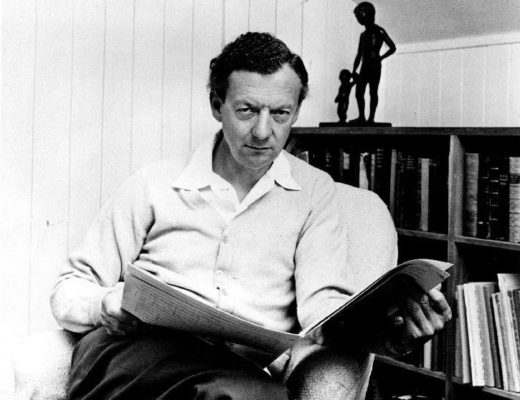
1945: Benjamin Britten’s opera Peter Grimes is premiered at Sadler’s Wells Theatre in London.
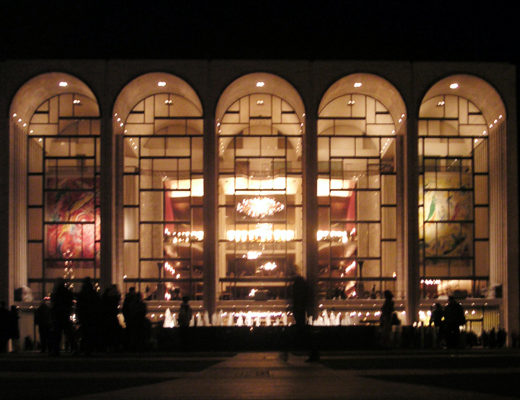
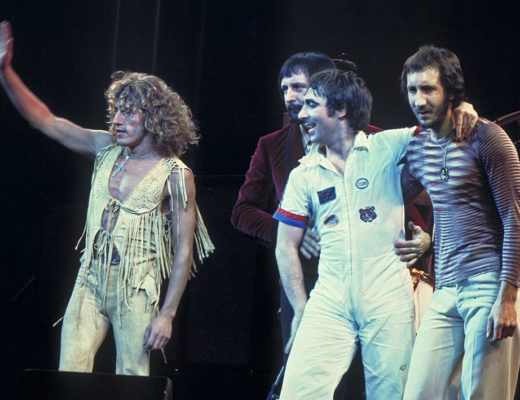
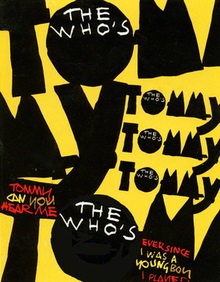
1970: New York’s Metropolitan Opera House, temple of classical music, rings to the strains of a very different tune as British group ‘The Who’ perform their rock opera ‘Tommy’. The story centres around the experiences of the eponymous hero, a ‘deaf, dumb and blind kid’ and is an ambitious undertaking for any group.
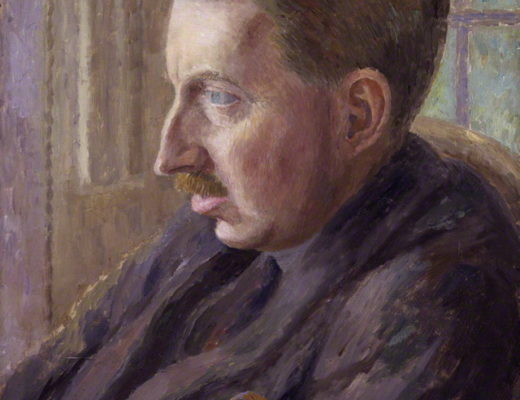
1970: English novelist EM Forster, author of ‘A Room with a View’, ‘Howard’s End’, and ‘A Passage to India’, dies aged 91.
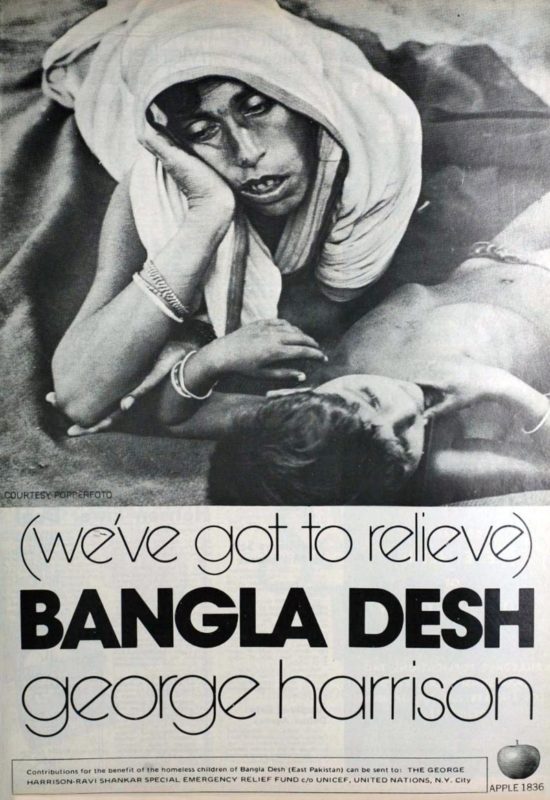
1971: India seals its borders with newly-independent Bangladesh to keep out cholera-stricken refugees.
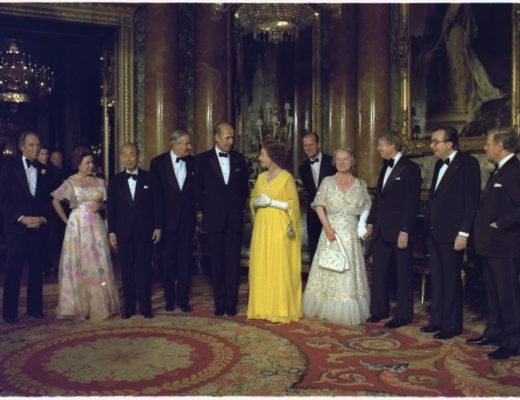
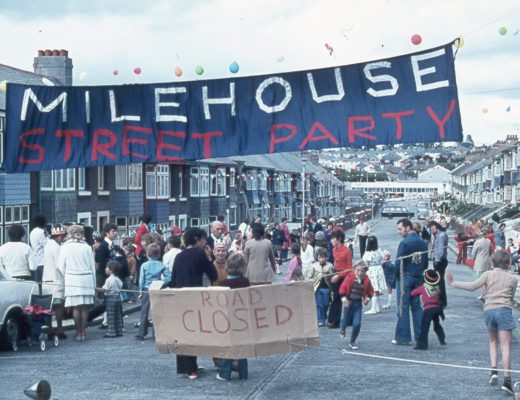
1977: Street parties are held all over Britain to celebrate Queen Elizabeth’s silver jubilee.
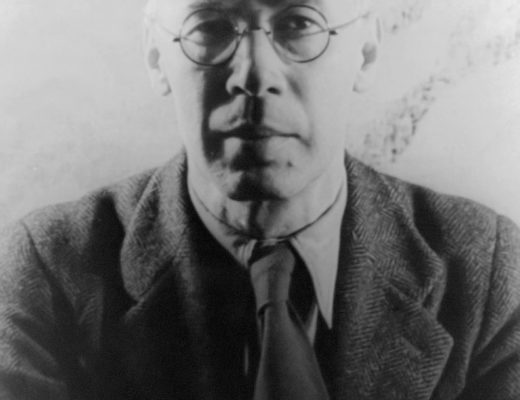
1980: American novelist Henry Miller, author of ‘Tropic of Cancer’ dies aged 88.
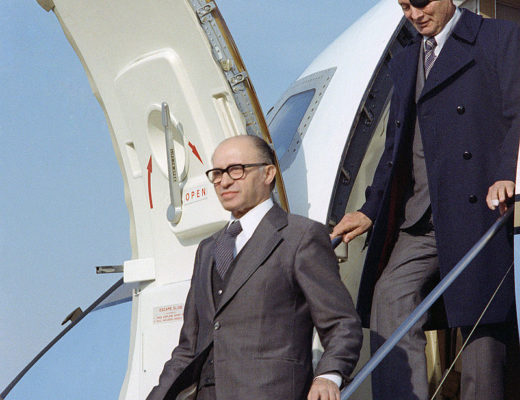
1981: Israeli jets carried out a bombing raid on a nuclear reactor near Baghdad. The raid succeeded in destroying the plant. Prime Minister Menachem Begin justified the attack on the basis of the defensive ‘strike first’ theory, saying that Iraq was planning to manufacture nuclear weapons to use against Israel. The event came at a particularly difficult time in Arab-Israeli affairs. Negotiations, led by US envoy Philip Habib, were underway to prevent further confrontation between Israel and Syria over the Syrian establishment of Soviet surface-to-air missiles in Lebanon’s Bekaa Valley earlier in the year.
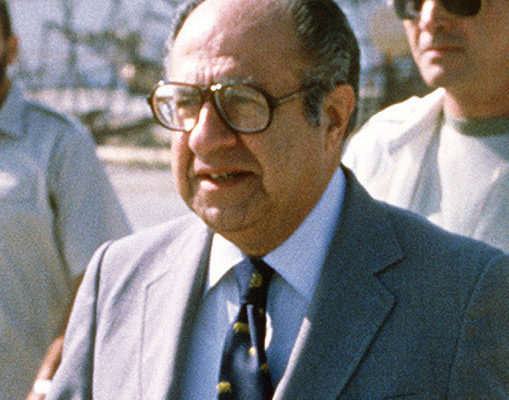
1982: The palatial mansion known as Graceland in Memphis, Tennessee, home of rock superstar Elvis Presley, who died five years earlier, opened its doors to the public for the first time. Thousands of adoring fans now had the chance to see how their idol lived. After his first hit of 1956, ‘Heartbreak Hotel’, Elvis dominated the pop music charts, having at least one, if not two, releases in the Top Ten for the next 16 months. His gyrations during his performances drove teenage audiences wild and earned him the nickname ‘Elvis the Pelvis’, but critics saw them and his music as signs of moral decline. With his blend of white country and western and black rhythm and blues, Elvis was one of the key figures in the development of rock ’n roll. Those who made the pilgrimage to Graceland would be honouring the memory of a legend – a man who has become one of the icons of the 20th century.

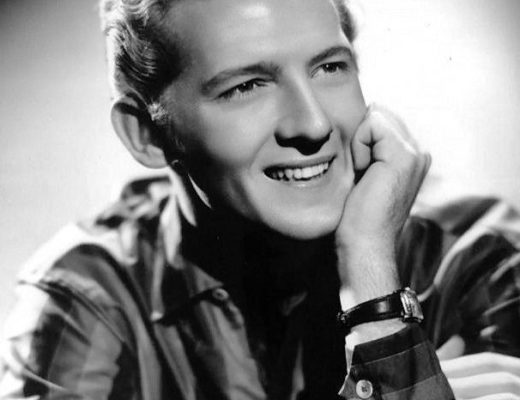
1983: Rock ’n roller Jerry Lee Lewis marries his fifth wife Shawn Michelle Stevens.
1990: President FW de Klerk lifts the state of emergency in South Africa.

HAVE YOUR SAY
Like our Facebook page, follow us on Twitter and Instagram
For news straight to your phone, add us on BBM 58F3D7A7 or WhatsApp 082 421 6033