June 8: On This Day in World History … briefly
Interesting historic snippets and facts taken from the book ‘On This Day’ first published in 1992 by Octopus Publishing Group Ltd, London.
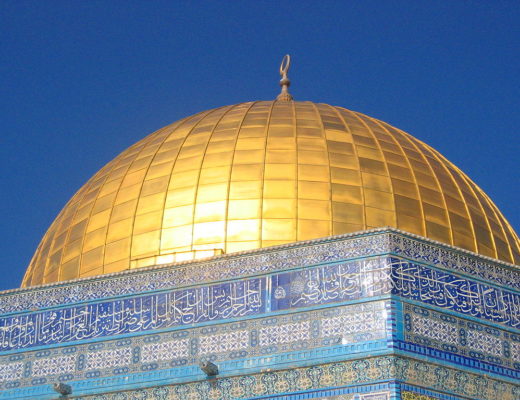
632: Mohammed, prophet and founder of Islam, dies in Mecca. He took up his calling late in life, at 40, a revelation from Allah convinced him that he must spread the word of the one true god, and he began to forge the new religion. By the time of his death, and after several jihads (holy wars), most of the Arab peninsula had come to accept Islam, with Mohammed as its leader. Central to the Islamic message is a belief in the afterlife, in which the good will be rewarded by entry to Paradise: Mohammed will now pass into that ‘blissful abode – garden and vineyard’ where there will be ‘girls with swelling breasts … and a brimming cup … a recompense from (the) Lord.’

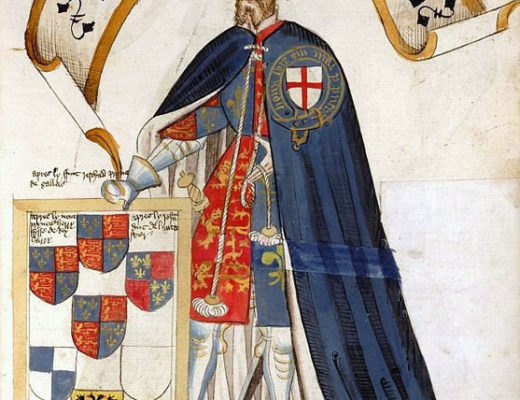
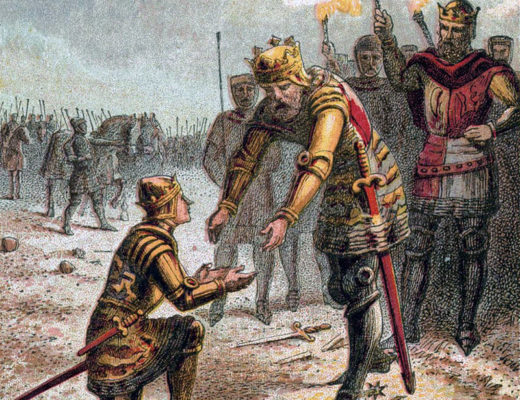
1376: Edward the Black Prince, son of Edward III of England, dies: chronicler Jean Froissant says he will be deeply mourned for his noble qualities.
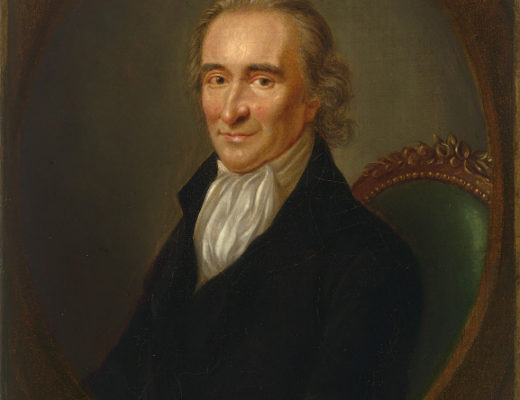
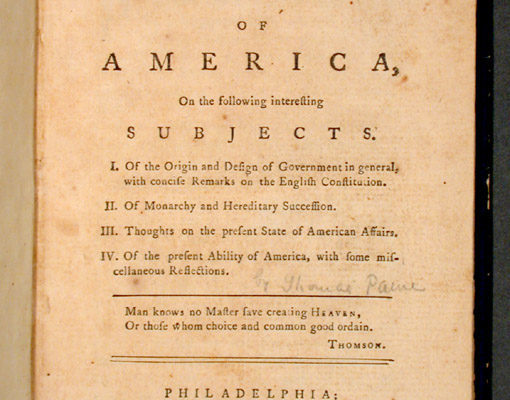
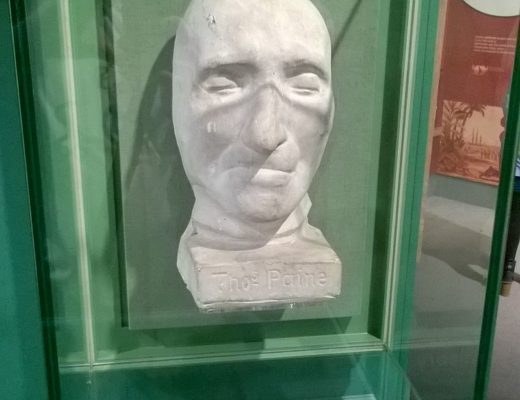
1809: Thomas Paine, guiding light of the American Revolution and one of the most influential thinkers of the age, died in New York City. Through his writings, Paine inspired and revived the nation’s morale during the dark days of America’s fight for independence from Britain. His famous pamphlet ‘Common Sense’, published in 1776, which includes the words ‘The cause of America is in great measure the cause of all mankind’, sold more than 100 000 copies in three months. ‘The American Crisis’ published later in the same year, is credited with contributing to American success at the Battle of Trenton. While in France, Paine wrote ‘The Rights of Man’ a defence of the French revolution that earned him the brand ‘traitor’ in his native Britain. Although a supporter of the revolutionary cause, he was opposed to the execution of Louis XVI: this aroused suspicion and landed him in the Luxembourg Prison, where he worked on the statement of his religious beliefs, ‘The Age of Reason’, published after his release.
1847: In Britain, a new law limits women and children to a 10-hour working day.
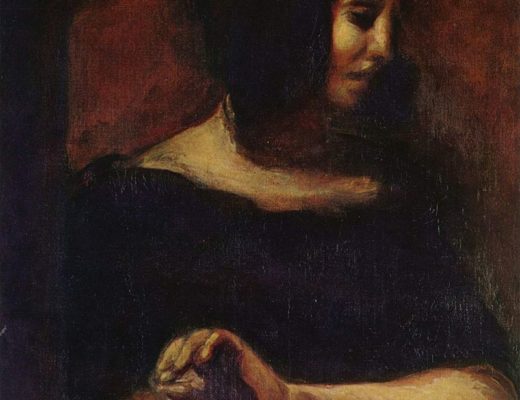
1876: Death of George Sand, French novelist and sometime mistress of Chopin.


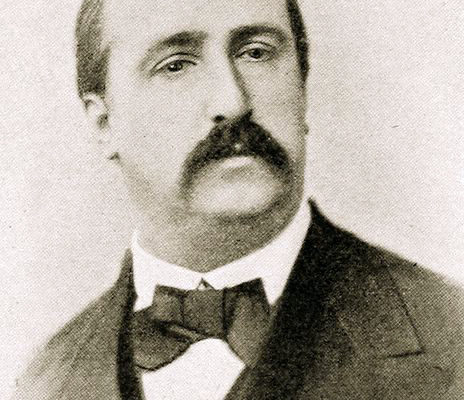
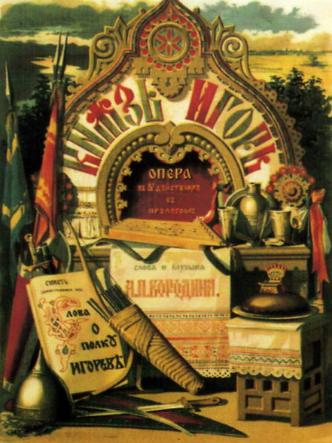
1914: London sees the first performance of Borodin’s opera ‘Prince Igor’ staged outside Russia.
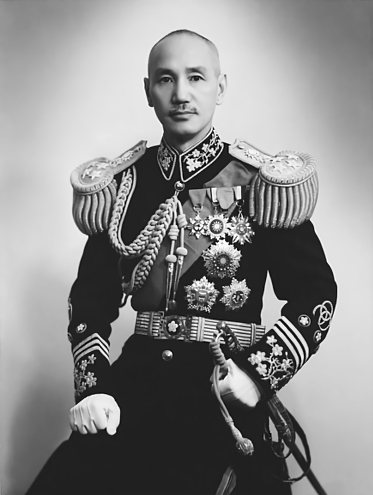
1928: Chiang Kai-Shek seizes Peking and ends the Chinese civil war.
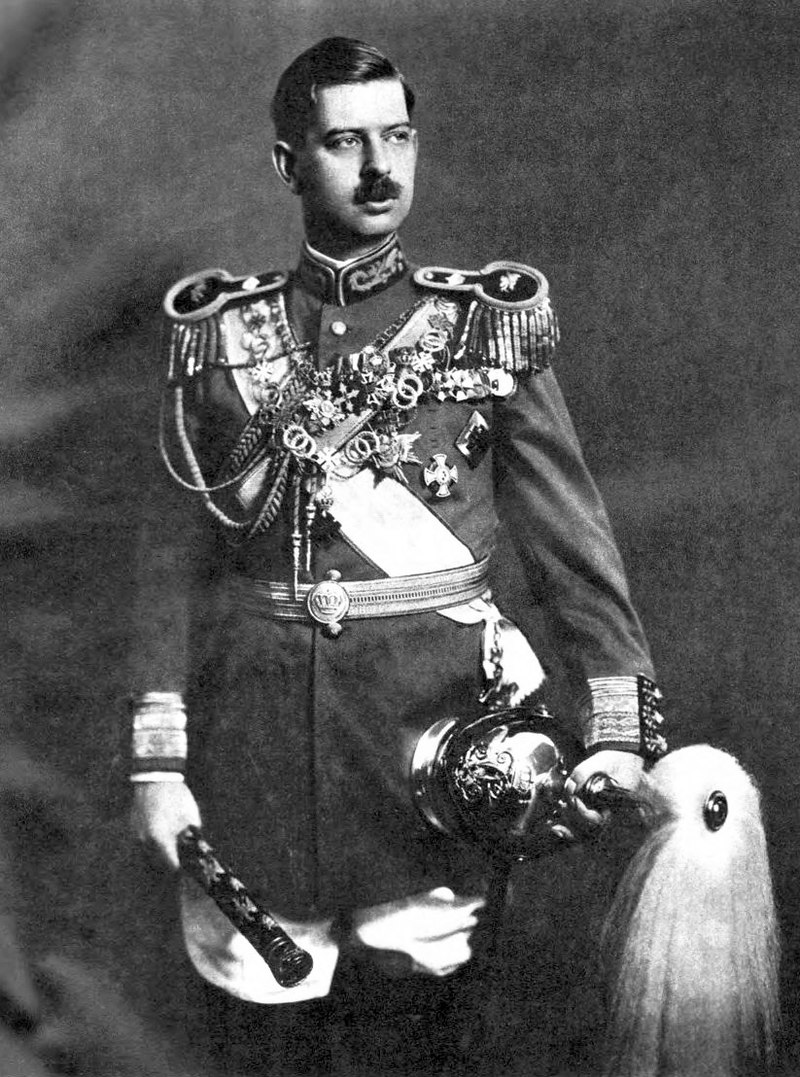
1930: King Carol II of Romania is proclaimed king once more after returning from exile.
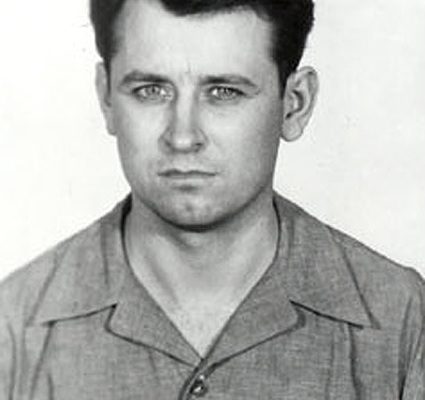
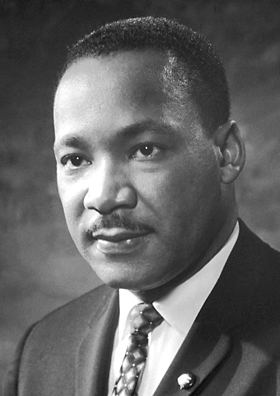
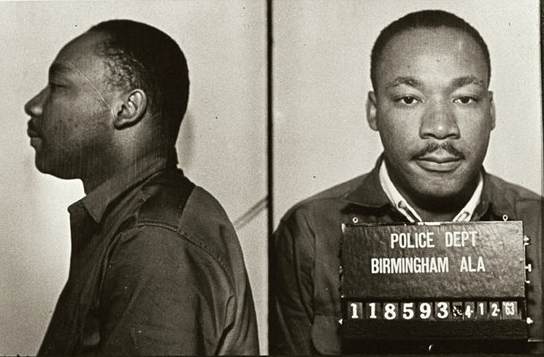
1968: In April 1967, a man was arrested in London for the killing of black civil rights leader Dr Martin Luther King. James Earl Ray, an escaped convict, is accused of firing the fatal shots that killed Dr King as he came out onto the balcony of his motel room in Memphis, Tennessee. Dr King was in the city to support a strike of local dustmen. Profoundly influenced by the teachings of Mahatma Gandhi, King insisted that protest should be non-violent, yet since he came to prominence in the civil rights movement in 1955, it was always on the cards that he himself would meet a violent end. He was awarded the Nobel Peace Prize in 1964. His funeral was held in his birthplace in Atlanta, Georgia, and was attended by 150 000 people.

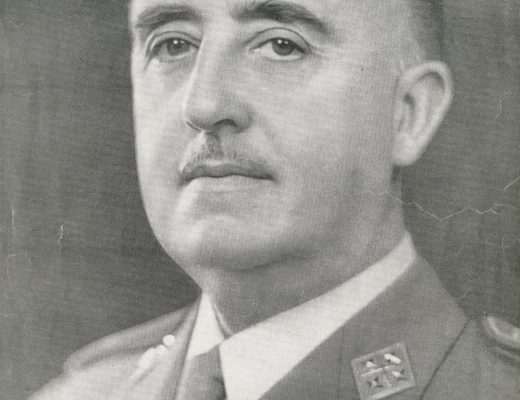
1969: Spanish dictator General Franco closes the border with Gibraltar in the hope of ruining its economy and thus wresting it from the British.
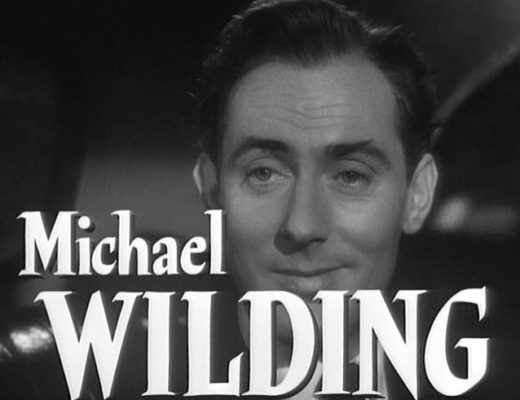
1979: Death of English actor Michael Wilding, former husband of Elizabeth Taylor.

1982: Jaren Pate, the estranged fourth wife of Jerry Lee Lewis drowns in a swimming pool.


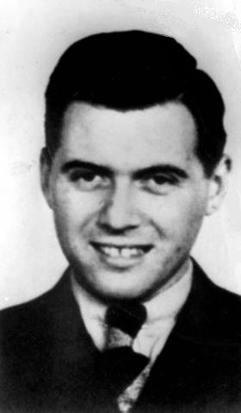
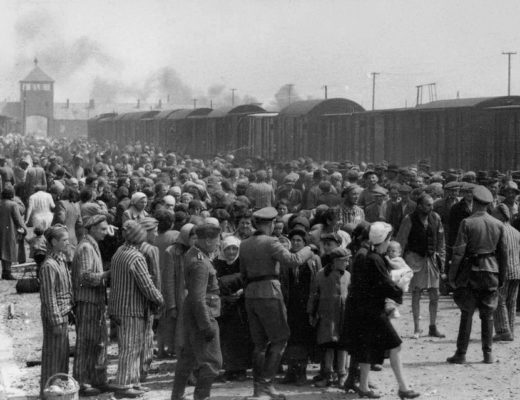
1985: A skeleton dug up by Brazilian police is said to be that of arch-Nazi Joseph Mengele, the man known as the sinister ‘Angel of Death’. Camp doctor at Auschwitz from 1943 to 1945, Mengele was notorious for the medical experiments he performed on inmates. After escaping capture by the British after the war, Mengele went to ground. He surfaced for a time in West Germany and then, in 1951, appeared in Buenos Aires, going by the name of ‘Gregorio Gregori’. He later moved to Paraguay where he was granted citizenship, but since that time his whereabouts or his fate, remained unkown.
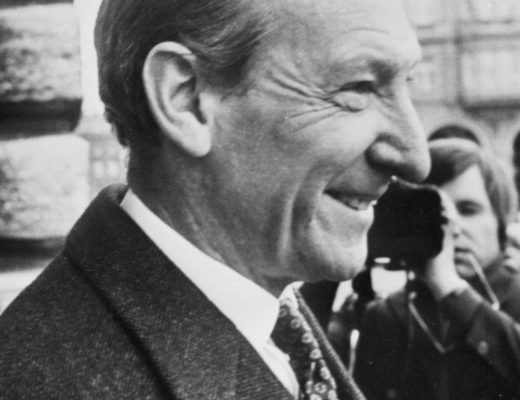
1986: Kurt Waldheim becomes president of Austria despite growing evidence that he collaborated with Nazis in WWII.
HAVE YOUR SAY
Like our Facebook page, follow us on Twitter and Instagram
For news straight to your phone, add us on BBM 58F3D7A7 or WhatsApp 082 421 6033