The truth about pink Himalayan salt
Pink Himalayan salt is often recommended for its many health benefits and for being one of the purest salts available, but is this true?
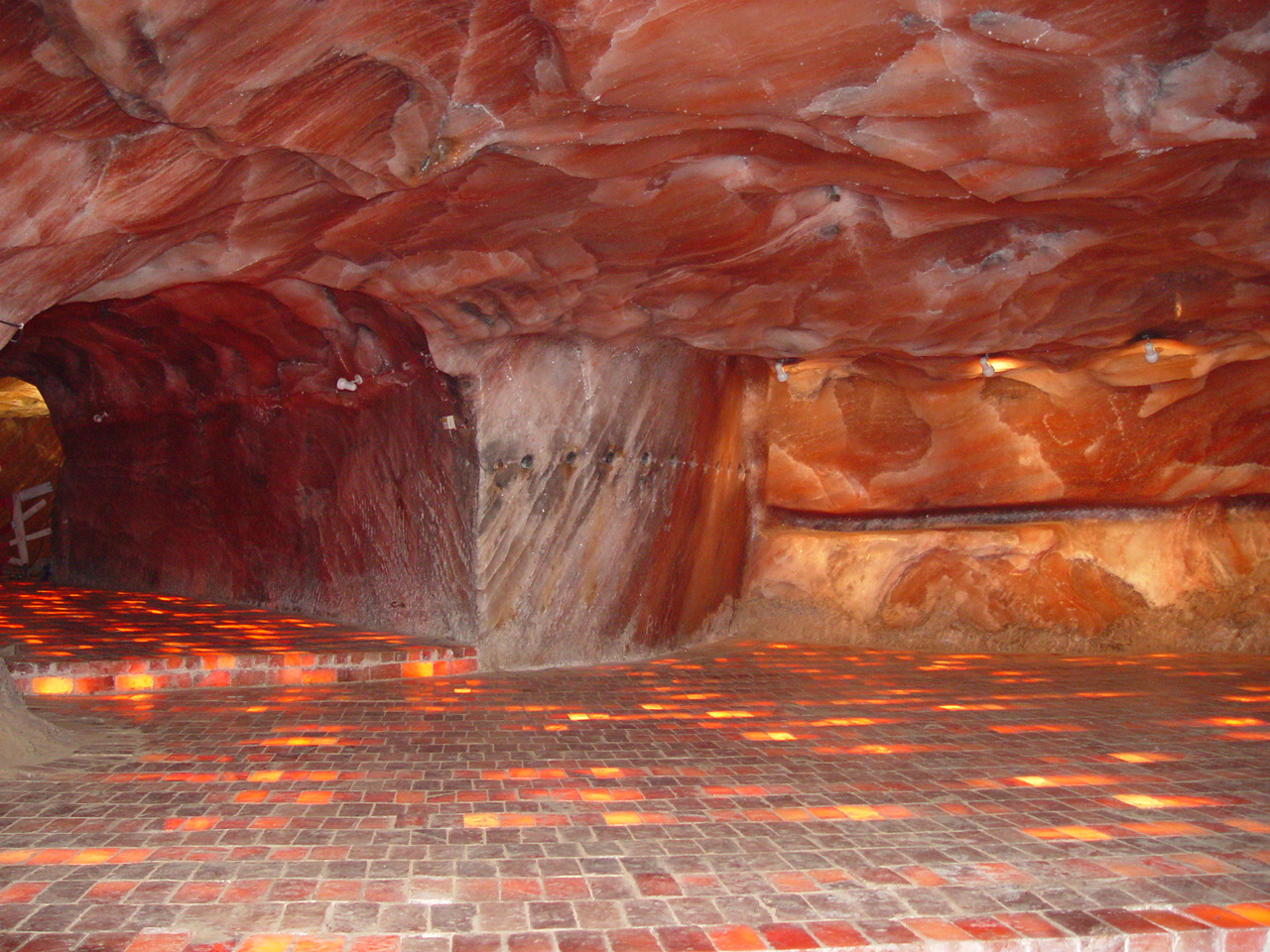
Pink Himalayan salt is a type of rock salt that comes from salt mines in the Punjab region of Pakistan, near the foothills of the Himalayas.
Dating back to Earth’s creation, Himalayan salt is believed to be composed of dried remnants of the original, primal sea.
The salt from these mines has experienced tremendous pressure over millions of years and is said to be more than 99 percent pure.
It contains up to 98% sodium chloride
Pink Himalayan salt is chemically similar to table salt as it contains up to 98 percent sodium chloride. The remainder of the salt is made up of 84 minerals and trace elements including potassium, magnesium, and calcium, which give the salt its light pink colour.
The presence of these minerals also explains why Himalayan salt tastes different to regular table salt.

Pink Himalayan salt is used
- as table salt – in cooking, to season meals and to preserve food.
- as serving dishes, cooking surfaces, and cutting boards.
- in place of bath salts and as a body scrub.
- as lamps and candle holders.
Health benefits of pink Himalayan salt
Trace mineral content
Some sources say that pink Himalayan salt contains up to 84 different trace minerals.
As it contains up to 98 percent sodium chloride, this means that only about two percent makes up the trace minerals. They are therefore unlikely to provide any significant health benefits.
Lower sodium

- Many people use Himalayan salt because they believe it contains less sodium. However, both salts contain about 98 percent sodium chloride.
- Because pink salt is often found in larger sized crystals than table salt, it does contain less sodium per teaspoon. It also has a saltier taste than table salt, which means that less salt is needed to achieve the same flavour.
- Pink salt is also available in a smaller granule size, similar to ordinary table salt, so this needs to be taken into consideration when seasoning food and estimating sodium intake.
- More than 75 percent of our sodium intake comes from the salt present in processed and prepared foods, not from what is added at the dinner table.
Pink Himalayan salt is more natural

This claim has merit.
Table salt is usually very refined and mixed with anticaking agents, such as sodium aluminosilicate or magnesium carbonate, to prevent clumping.
Authentic Himalayan salt is less processed, and usually does not contain any additives.
Too much sodium is bad for you
Although sodium is necessary for life, too much sodium can have a very negative impact on your health.
If you have kidney, heart or liver issues, or are on a sodium-restricted diet, you should limit your use of all kinds of salt, including pink Himalayan salt.
A 2016 report from the Centers for Disease Control and Prevention (CDC) states that over 90 percent of children and 89 percent of adults consume more sodium than is recommended.
One teaspoon of regular table salt daily is enough.