My, what big ears you have: some fast bat eared fox facts
Many of these little nocturnal creatures end up as road kill victims.
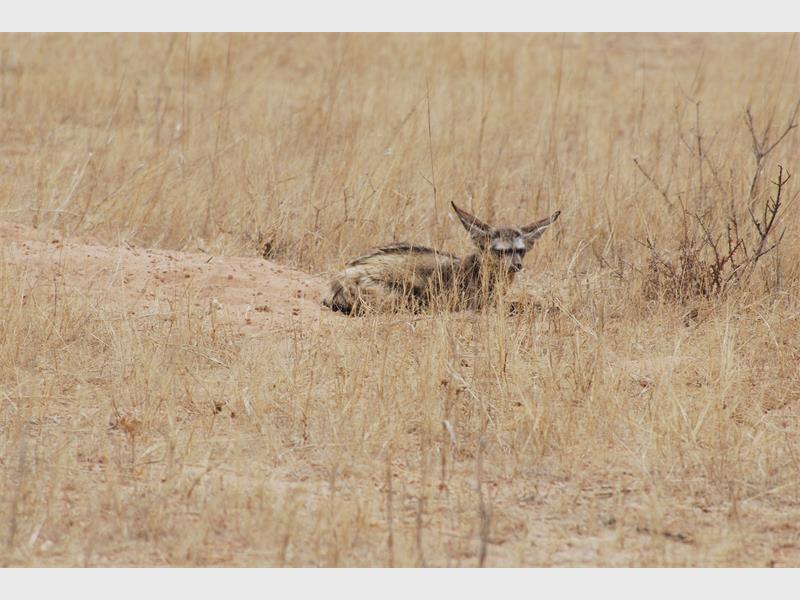
ONE of southern Africa’s most endearing little creatures is the bat eared fox, a small, secretive creature of our drier regions.
YOU MIGHT ALSO BE INTERESTED IN : Wild facts about wildebeest
The foxes are not always easy to spot as they are rather shy and tend to be more active at night. Sadly, this means they are often hit by cars. In some outlying areas it is depressing to see so many of their little bodies scattered along the roads every morning. So many of our small nocturnal animals and birds are at risk of becoming road kill. We need to take extra care when driving at night.
One of the best places in South Africa to see the bat eared foxes is the Kgalagadi Transfrontier Park where they seem to be particularly plentiful after good rains. However, keep a lookout for them at any of our more western protected places. We recently en coutnered one at Addo Elephant National Park.
Here are some facts about the bat eared fox.
* The bat eared fox is the smallest of our indigenous canids.
* Close relations include the jackals and the Cape fox. The canidae family includes wolves, wild dogs and domestic dogs.
* You will often see a pair of these little foxes moving with their noses to the ground, their bat ears pointed forward and down. They will be foraging for their favourite foods, digging our any beetle larva they hear or picking harvester termites from the ground.
* Their large ears act as parabolic reflectors, amplifying sound and enabling them to find their prey at night or even when it is underground.
* They also also eat locusts, scorpions, small mice and wild berries.
* They only weight about 4km and are extraordinary nimble and light on their feet. This and their impressive bursts of speed enables allows them to twist and dodge and evade their predators.
* Mother bat eared foxes feed their pups at sunset then set off foraging for food for up to ten hours, before returning to feed them again.
* While mother fox is out foraging at night, the father stays close to the den, guarding the pups. He also goes with the pups when they start looking for food themselves.
Reference: A natural History Guide to the Arid Kalahari by Gus and Margie Mills (Africa Geographic Books).
HAVE YOUR SAY
Like our Facebook page, follow us on Twitter and Instagram
For news straight to your phone, add us on WhatsApp 082 421 6033