Crisis brewing as local clinics run short of vital medications
A Port Edward woman who is HIV positive said the situation was very dangerous because ARV users need to be consistent in taking their medication.
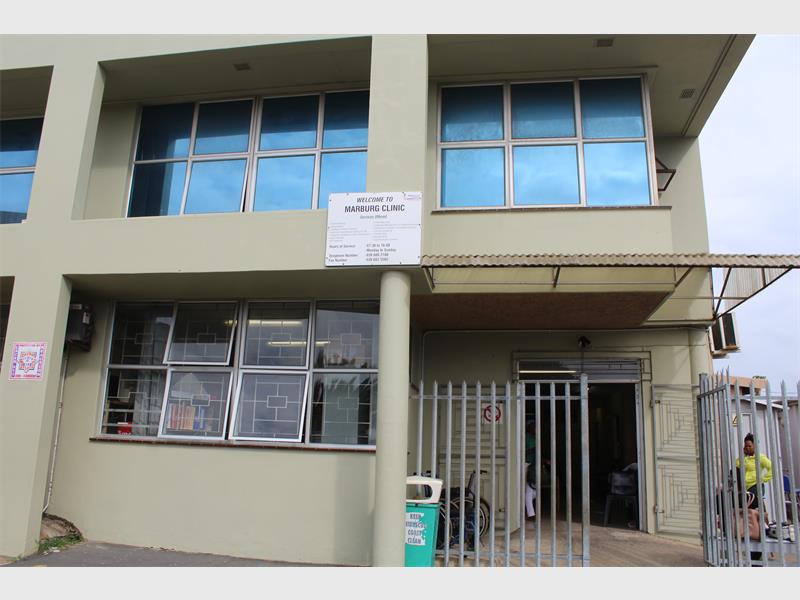
Those who rely on state-issued contraceptives and other essential medicines have been left high and dry as supply at local clinics has been erratic, and sometimes non-existent.
The alarm was raised by some women who indicated that local clinics and healthcare facilities often run out of contraceptives and antiretroviral drugs (ARVs).
ALSO READ : Patients suffer as Turton Clinic struggles
For months, some clinics, including the one in Marburg, have been plagued by shortages of second-line and third-line antiretroviral drugs, injectable contraceptives and other essential medicines.
These are reportedly also rapidly running out throughout the province and across the country.
The Stop Stockouts Project (SSP), an organisation which monitors and reports on shortages and stock-outs of essential medicines, announced last week that this was a crisis that had been developing over the past two months.
ARV users who are desperate to get their medication have had to bear the brunt of the shortages, while setbacks in the supply of contraceptives have reportedly forced nurses to offer alternative forms of birth control such as intrauterine devices and condoms.
This has led to an outcry, with women claiming some of the alternatives have unpleasant side-effects.
One woman (31), who recently visited the Marburg clinic, said she had been disappointed to be told there was no Depo-Provera after she had waited her turn for hours.
“I arrived at 7am for my regular Depo-Provera injection which I normally receive every three months. After having waited five hours,, a nurse said “Sorry, we can’t help you”, and suggested I either use a condom or an intrauterine device.”
Another woman who elected to have a contraceptive implant inserted in her arm after having been told there were no contraceptive injections available at the Turton clinic said the implant gave her an infection which had lasted for weeks.
“My arm was swollen and turned green. At first I thought it was a side-effect and would go away but I had to remove the implant. I’m very disappointed in our health system. If you can’t afford medical aid, you have to take what’s available or do without.”
Similar sentiments have been voiced by ARV users and Treatment Action Campaign activists, who said they were worried about the unavailability of the drugs.
ALSO READ : Marsec holds successful wellness clinic
A Port Edward woman who is HIV positive said the situation was very dangerous because ARV users need to be consistent in taking their medication.
“We are told at clinics not to default on our medication, but it’s even worse when it’s unavailable because our immune systems become resistant,” she said.
SSP acting manager, Lauren Jankelowitz, said they had been in communication with the health department, which was aware of the situation. However there were no clear plans as to how the issue would be addressed.
“Stock-outs of ARVs interrupt treatment, increasing the risk of opportunistic infections, treatment failure, ARV drug resistance and ultimately death.”
National health spokesman, Popo Maja, agreed there was a national shortage of drug combinations which are used to make ARVs.
Mr Maja said this was as a result of a new legislation related to industrial pollution in China, where the combinations are manufactured, which subsequently impacted on suppliers experiencing constraints.
The provincial health department said it was still gathering information and facts regarding this issue.
HAVE YOUR SAY
Like our Facebook page, follow us on Twitter and Instagram
For news straight to your phone, add us on WhatsApp 082 421 6033