The sun and fever blisters: What you need to know
A number of factors can trigger the development of a cold sore, including sunlight, sunburn, stress, fatigue, other infections, fever, menstruation and intestinal problems.
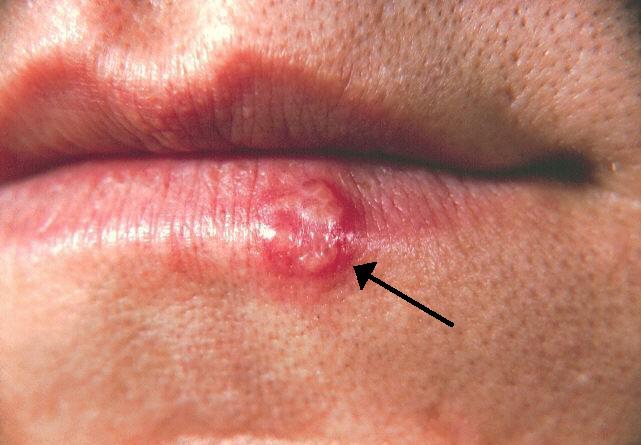
Many of us may have spent hours in the sun during the holidays and while the importance of using sunblock is well recognised, do you know that exposure to the sun and even wind can trigger the recurrence of cold sores or fever blisters?
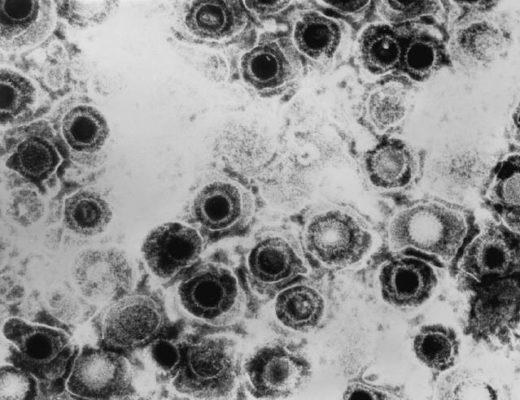
Fever blisters or cold sores are tiny, fluid-filled blisters that form on and around the lips and are often grouped together in patches. Despite their name, they are not caused by the common cold. Cold sores are caused by the Herpes simplex virus type 1 (HSV 1) and can spread from person to person by close contact such as kissing. Cold sores are most contagious when oozing blisters are present, but the virus can be transmitted to others even if a person has no visible blisters.
Approximately 90 percent of adults worldwide test positive for evidence of the virus that causes cold sores, even though most people who are infected with the virus have never developed signs and symptoms.
A number of factors can trigger the development of a cold sore, including sunlight, sunburn, stress, fatigue, other infections, fever, menstruation and intestinal problems. While often difficult to single out, identifying a possible trigger may be useful in preventing recurring outbreaks.
Exposure to sunlight usually precedes the development of a cold sore by approximately 24-48 hours. Should a cold sore develop within a day or two of being in the sun, one can be fairly confident that sunlight was the ‘trigger’.
UVB radiation seems to reduce the effectiveness of the immune system. This means that for a person who suffers from cold sores, the body can no longer keep the virus at bay which can result in reactivation of the virus infection.
ALSO READ: 15 Weird allergies that affect South Africans
If sunlight seems to be a primary trigger for the development of cold sores, sunblock should be applied to the area where the cold sore tends to erupt.
Cold sores usually heal without leaving a scar. Once the blisters break, a crust forms over the resulting sore. While there is no cure for cold sores, some medications may relieve the pain, soften the crusts on the skin and resolve the cold sore faster.
A good antiviral cream prevents the virus from multiplying, helping to relieve the pain in as little as two and a half days and relieves a cold sore in five days. Individual response may vary. If healing has not occurred, treatment can be continued for up to 10 days. For further information, speak to a healthcare professional.
HAVE YOUR SAY
Like our Facebook page, follow us on Twitter and Instagram