March 14 is World Kidney Day
Did you know that you have your kidneys to thank for your healthy bones?
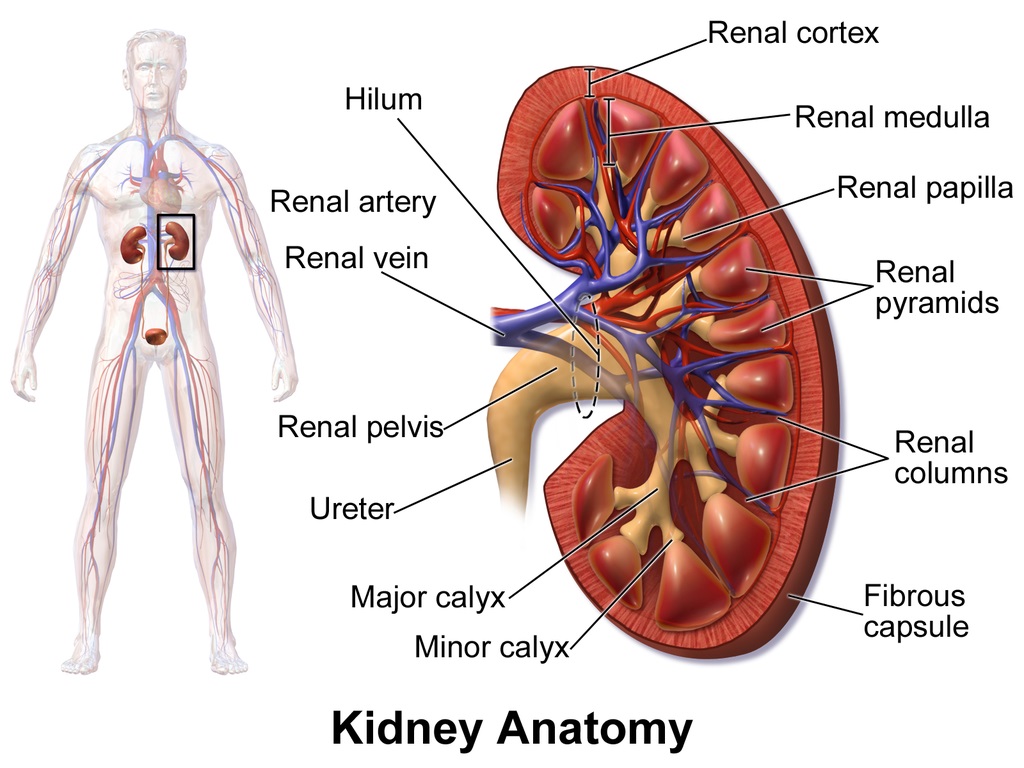
Healthy kidneys play a major role in keeping our body and our bones healthy. They remove wastes and extra fluid from the body, help to produce red blood cells and help keep bones strong. Kidneys also make urine, control the body’s chemical balance and help control blood pressure. They also play a major role in keeping the right amount of minerals in the blood. Minerals are nutrients that your body needs to stay healthy. The relationship between kidneys, calcium, phosphate and Vitamin D is a complicated one, but one that is vital for the health of our bones.
YOU MAY WANT TO READ: 6 Important reasons to include beets in your diet often
Calcium and phosphate are both minerals that are important for overall health – in particular they help build strong bones and teeth. They also play a role in cell and nerve function. Your kidneys and your parathyroid glands keep both phosphate and calcium at healthy levels. Calcium, the most abundant mineral found in the body, is obtained from the food we eat and from calcium supplements. Healthy kidneys change vitamin D from sunlight and some foods into active vitamin D that our bodies can use.

Vitamin D and a hormone called PTH (parathyroid hormone) help regulate how much calcium is absorbed and how much calcium is eliminated by the kidneys. Healthy kidneys turn vitamin D into an active hormone called calcitriol, which helps increase calcium absorption from the intestines into the blood. Calcium is stored in your bones and is essential for building and keeping bones healthy and strong. Many cells in your body need calcium to work properly and your body gets most of its calcium from the food that you eat. If your calcium levels are too low, then your body will take the extra calcium it needs from your bones.
Even if you consume foods that contain a lot of calcium and phosphate, they cannot be absorbed into your body unless you have enough vitamin D – and for vitamin D to work properly, it needs to be ‘activated’ or ‘switched on’ by the kidneys. When kidneys fail there is a short supply of active vitamin D. This causes calcium and phosphorus to become out of balance. When the phosphorus level in the blood goes up and vitamin D level in the blood goes down, your body makes too much parathyroid hormone (PTH). High PTH levels cause calcium to move from your bones into your blood. As calcium leaves your bones, they become weaker and more brittle and are more likely to break. Some calcium may also end up in the heart and blood vessels, which could worsen or even cause heart disease.

Reducing the amount of phosphate in your diet may be one way to stop phosphate levels rising in people with compromised kidney function. Phosphate is in a wide variety of foods so it is impossible to have a phosphate-free diet. Phosphate-binding supplements can be beneficial in lowering the amount of phosphate absorbed from food. Phosphate binders act like ‘sponges’, trapping the phosphate before it is absorbed. This means that less of the phosphate you eat will go into the bloodstream.
There are calcium supplements that provide phosphate binding potential for individuals with kidney impairment. Calcium carbonate acts as a phosphate binder and taken with a meal, it binds to excess phosphate in the stomach and excretes the phosphate before it gets synthesised in the kidneys – thereby protecting the kidneys. This is beneficial for patients with kidney disease. A supplement may also assist with hyperphosphatemia and hypocalcaemia (too high levels of phosphate and low levels of calcium in the blood).
World Kidney Day is a global awareness campaign aimed at raising awareness of the importance of our kidneys. This year’s theme is ‘Kidney Health for Everyone Everywhere’. Kidney disease is a global burden – 850 million people worldwide are now estimated to have kidney diseases from various causes. Chronic kidney diseases (CKD) cause at least 2.4 million deaths per year and are now the sixth fastest growing cause of death.

It is vital for anyone who has kidney disease or decreased kidney function to make sure that their calcium and phosphate balance is checked and managed correctly. For people with healthy kidneys, it is also important to balance their calcium levels. Very low levels of calcium in the long term can lead to dental changes, cataracts, alterations in the brain, and osteoporosis, which causes the bones to become brittle. Too much calcium in your blood stream, on the other hand, can weaken your bones, create kidney stones, and interfere with how your heart and brain work.
Speak to your doctor or pharmacist about any possible supplementation or if you have any concerns about the health of your kidneys. A simple blood test can also show if you need extra calcium.
HAVE YOUR SAY
Like our Facebook page, follow us on Twitter and Instagram