#IMadeMyMark: What are national and provincial elections?
You are urged to make YOUR mark next Wednesday, May 8.
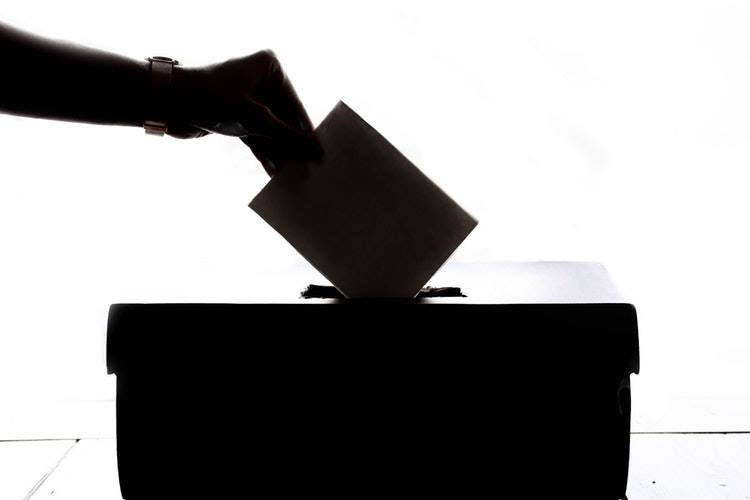
South Africans vote in National and Provincial Elections every five years. In terms of the Constitution the elections must be held within 90 days of the expiry of the sitting National Assembly and Provincial Legislatures.
The election date is proclaimed by the President of the Republic of South Africa, and this year the elections fall on May 8.
What are National and Provincial Elections? National and provincial elections are two different elections to choose representatives to the National Assembly and Provincial Legislatures. Although they are different elections, they are held on the same day. Elections are an important way for people to debate and decide on their country’s future. Elections also provide an opportunity for voters to put to use their constitutional rights.
YOU MAY BE INTERESTED IN: #IMadeMyMark: ‘We are ready’, says IEC
What is the difference between National and Provincial Government?
National Government makes and carries out laws and policies for the whole country. It is made up of: Parliament led by the Speaker; and National Government led by the President and Ministers.
Provincial Government makes and carries out laws and policies that affect the province only. It is made up of: Legislature led by the Speaker; and Provincial Government led by the Premier and Members of the Executive Council (MECs).
What are you voting for in National and Provincial Elections? National vote: You are voting for a political party to represent you in the National Assembly.
Provincial vote: You are voting for a political party to represent you in the Provincial Legislature.
What electoral system is used in South Africa for the National and Provincial Elections? The Proportional Representation (PR) system is used in South Africa for National and Provincial Elections.
The PR system awards seats to political parties according to the percentage of votes each party receives in an election. Political parties submit a list of candidates to the IEC for the National Assembly and the Provincial Legislatures. Candidates are listed in their order of preference. On Election Day, May 8 voters vote for the political party of their choice, not individual candidates.
After counting, political parties are allocated seats according to the percentage each party received.
Advantages and disadvantages of the PR electoral system
An advantage of the PR electoral system is that it makes sure that smaller political parties are included and represented. This means that the legislatures are made up of people with different interests.
A disadvantage of the PR electoral system is that voters do not directly elect their political representatives to legislatures. Political party leaders decide who will represent voters in the legislatures. So the extent of accountability is weaker between voters and political representatives.
** Information obtained from IEC website
HAVE YOUR SAY
Like our Facebook page, follow us on Twitter and Instagram