Rural dogs need your help
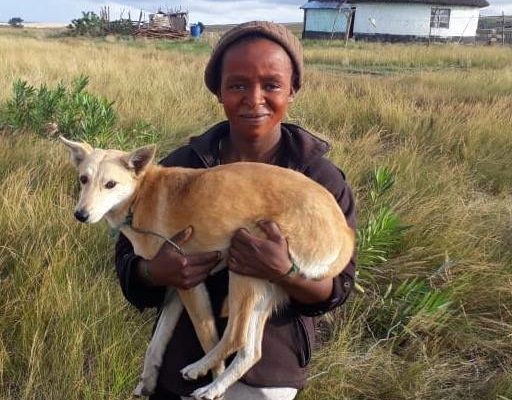
The non-profit organisation, Transkei Animal Welfare Initiative (TAWI) is trying to raise funds to sterilise 50 dogs in the village of Mnyameni.
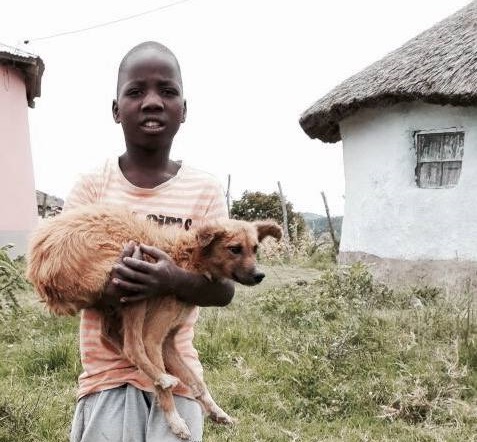
Non-profit organisation, Transkei Animal Welfare Initiative (TAWI) is trying to raise R30 600 to sterilise 50 dogs in the village of Mnyameni.
The organisation works to improve the health and well-being of rural animals, especially dogs, in the Eastern Cape.
ALSO READ: WATCH: ‘Dead Man Walking’ begins his Wild Coast journey
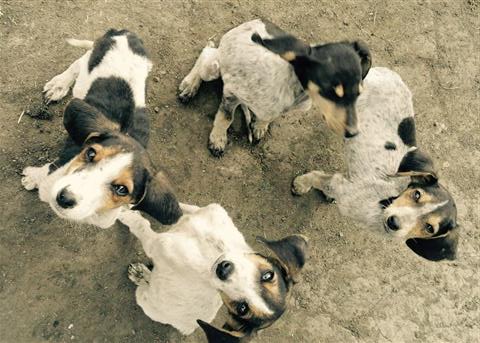
One of the main objectives in reducing suffering is helping communities reduce the amount of dogs – the key being sterilisations.
It’s a work in progress in each of the 20 communities.
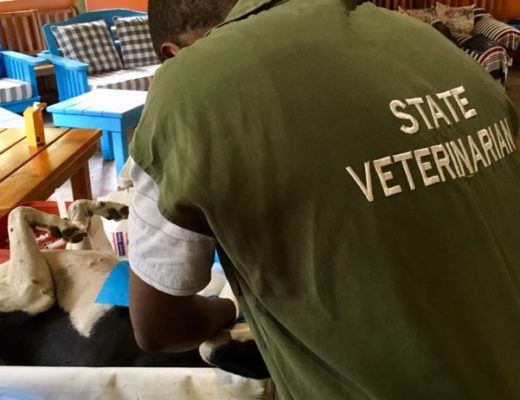
“TAWI have already done a sterilisation drive in Mnyameni, but want to go back to do a follow-up. The Mnyameni village is a very poor community, heavily reliant on the crops they grow and animals they rear to sustain themselves. The headman is very proactive and calls us when he sees the need,” said Richard Norton, project coordinator of TAWI.
TAWI have so far managed to raise R10 000 towards this September Steri Drive.
Outline action plan for Mnymeni Steri Drive:
Steri Prep 9/10 Sept
| 2 day steri prep
& field planning |
Richard + 2 others.
1 vehicle. Acc. Mtentu Camp Site. |
Meet Headman, check & list all dogs. Do other Outreach treatments. Check steri & acc. Venue (secured). | Petrol R2000.
Food R600. Meds R2500 |
+- R5100 |
Sterilsation procedures 17/18/19/20 Sept
| +- 50 Dogs & Cats.
2 day sterilisations. Other general Outreach treatments. 2 days driving. |
2 x Vets (booked) plus 8 support staff. | 18/19th Sterilisations.
Any other urgent veterinary procedures. Other callouts if feasible.
|
+- R350 per steri R17500.
Petrol R4000 (3 vehicles). Food R4000. |
TOTAL BUDGET R30600.
ABOUT TAWI:
TAWI is a small outreach non-profit organisation improving the lives of rural animals.
People work their ancestral land and often live very basically, relative to first world modern standards, growing their own produce in close-knit communities.
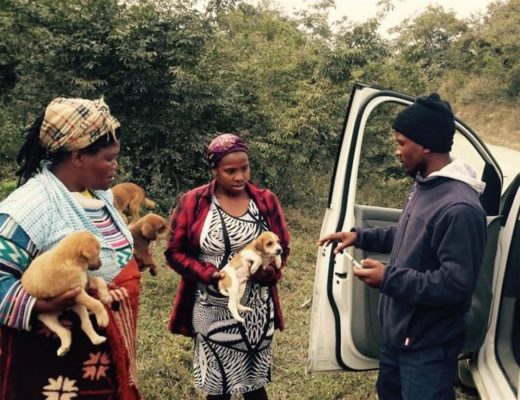
Within the villages, domestic dogs are kept by families where they earn their keep as guard dogs, hunters and pets.
Times are often hard and having little or no monetary value, with no veterinary services available to these communities, the dogs feel it the most.
Over-breading, malnutrition, starvation, disease and infections are common.
The issues with domestic dogs translate into serious problems for the families and the whole community.
Neglected Zoonotic diseases are diseases which are transferred from animals to man and are having a dramatic adverse effect on human health in rural communities.
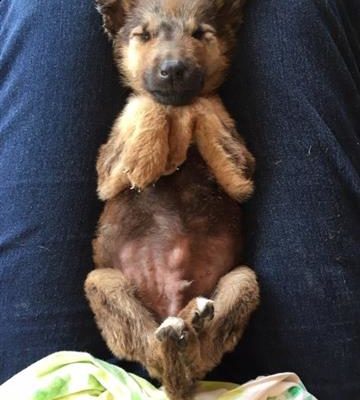
For example, it is estimated that almost one billion people in developing countries around the world are infected with one or more helminths (parasitic worms).
Any person can be affected but school aged children, pre-school children and adolescents harbor the greatest numbers of intestinal worms. (source: research carried out by the University of Zambia, 2013).
Although effective and relatively inexpensive solutions exist, there are currently no protocols adopted by the relevant government health departments in dealing with the problem.
Transkei Animal Welfare Initiative
Standard Bank 052621
061047562
Please put your email address or phone number as the reference.
HAVE YOUR SAY
Like the South Coast Herald’s Facebook page, follow us on Twitter and Instagram
To receive our FREE email newsletter, click HERE