What are ‘holiday blues’ – and how can you beat them?
For some, Christmas is a very stressful time of the year.
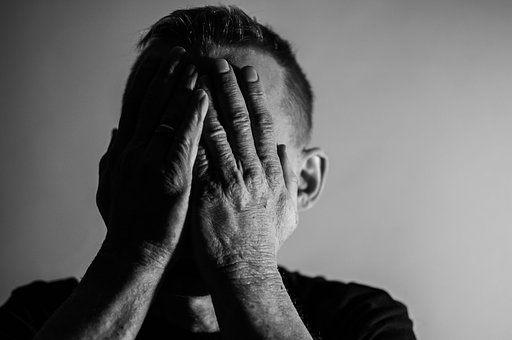
The December festive season is upon us! Contrary to the folk who can’t wait to close the office door to enjoy a time of celebration, joy and relaxation, for those who tend to experience the holiday blues it is anything but a happy prospect.
“Holiday blues are a state of mind that is less severe than that of depression. The symptoms are therefore somewhat similar to depression and anxiety, but to a lesser degree,” Hein Hofmeyr, a clinical psychologist at Akeso Clinic points out.
YOU MIGHT ALSO BE INTERESTED IN: 5 things people with hidden depression do
Symptoms include:
- Feeling sad and discouraged;
- Loss of interest in previously pleasurable and enjoyable activities;
- Eating more or less than usual, or gaining or losing weight;
- Having trouble sleeping, sleep more than usual or struggling to wake up in the mornings;
- Feeling slow or restless;
- Impulsive behaviours such as alcohol or substance abuse and reckless or self-harming behaviours;
- Feelings of irritability;
- Feelings of stress and anxiety;
- Lack of energy or drive;
- Feeling hopeless, helpless or inadequate (low self-esteem);
- Difficulty concentrating, making decisions, or remembering things;
- Withdrawal and isolation from others; and
- Various physical symptoms
Those most likely to develop holiday blues may include:
- Those that are already suffering from a mental illness. During the festive season, the demands of Christmas time can increase already present symptoms of depression and anxiety.
- Alcohol or substance abusers who tend to increase their abuse of substances during the festive season. Increasing the abuse of substances may initiate more destructive behaviours that could lead to low self-esteem or poor interpersonal relationships with family members or friends.
- Individuals that are spending the festive season alone. Being alone because of logistics, work or inability to travel leads to feelings of resentment against those who spend time with their families. These further increases feelings of loneliness and negative self-talk.
- Individuals that have experienced the loss of loved ones or their jobs.
- Individuals with a low self-esteem and who have difficulty living up to the “perfect” image portrayed of Christmas by society.
- Those with a low self-esteem are further triggered by the festive season’s self-reflection ability and remind individuals of their inadequacies when comparing themselves with other’s experiences of Christmas time.
- Individuals who experience anxiety because of society’s and family’s demand to spend money on entertainment and gifts. This could increase anxiety for individuals that has difficulty with performance anxiety, generalized anxiety, fear of failure and financial debt.
- Those with social phobia or strained family- and social systems might experience increased anxiety because of expectations of possible social gatherings with family, friends or acquaintances.
Tips to beat the holiday blues
- Eat well and don’t forget to exercise. Healthy eating habits together with regular exercise will reduce the chance of gaining weight, keep yourself motivated and improve your self-esteem.
- It is important to use alcohol in moderation, especially if you are prone to abuse alcohol. Reducing your alcohol intake is not only beneficial to your health and self-esteem but also reduces inappropriate and destructive behaviours that could lead to conflict between you and those people around you during the festive season.
- Relaxation. It is important to manage your time appropriately during the festive season. Do not spend all your time working or preparing for the big Christmas dinner. Take time to relax, rest and enjoy the experience of the holiday atmosphere. For assistance use relaxation techniques, mindfulness exercises such as breathing, body scan or sensory observations and meditation.
- Have realistic expectations. Coping with the stress and demands of the festive season can be reduced if you approach the season with realistic expectations. Let go of your ideas of how your Christmas celebrations should be like and be aware that it could possibly go wrong. Rather live in the moment and be present during the special and meaningful moments.
- Make a realistic budget and stick to it. Either if you are lucky enough to receive a bonus or have saved up for the December holiday or do not fall in any of these two categories, you will benefit from careful festive financial planning. Make a list of all the people you want to buy presents for and allocate price limits and stick to them. Another tip is to leave your credit card at home when you go shopping to prevent impulsive overspending. It is further important to also create a spending limit for the food budget.
- Planning and being assertive. Planning for the festive season can help decrease anxiety and stress. You should prepare and plan your days for shopping, visiting friends and relatives, and other activities such as the big Christmas meal. Be prepared to say no when the demands of the festive season become too much.
- Use your support network. If you become aware of any depressive symptoms or that you are isolating and withdrawing yourself from others it may be helpful to make plans to talk to, and be around your friends, relatives or loved ones. Volunteering and helping others can improve your self-esteem and widen your social networks. Incorporating professional support can assist you in time when it is difficult to cope.
HAVE YOUR SAY
Like the South Coast Herald’s Facebook page, follow us on Twitter and Instagram