Back to School: Young eyes should be tested early
Your child has only one pair of eyes - look after them.
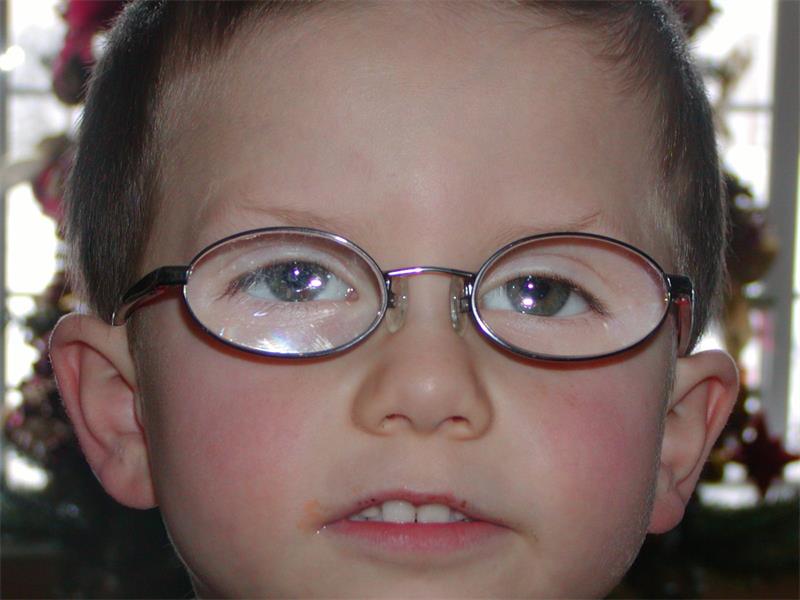
VISION plays an important role in helping children adapt to the world around them.
Vision testing for children is very important as children cannot tell us whether there is something wrong with their vision. A child of three does not know that blurred or double vision is abnormal.
ALSO READ : WATCH: Back-to-school struggle as parents decry costs, retailers complain
The main reason for testing children at a very young age is to prevent factors that may influence their ability to see or cause untreatable visual problems. The move currently all over the world is to evaluate the visual system of children at six months, three years and again at six years of age.
Changes in your child’s vision may occur during the learning years, but the problem may not be recognised because the child assumes everyone sees the way he or she does.
Conditions such as nearsightedness, farsightedness and astigmatism often affect school age children. Your child’s vision should be examined regularly, as this is the only way to detect problems early.
Visual concerns for children about three years old would include the presence of a mild refractive error, any ocular pathology present, any neurological or developmental delays, any squint present or indication of amblyopia (reduced visual acuity).
The school nurse may report that your child sees well or has 6/6 (20/20) vision. It means that the child can see at six metres what should normally be seen at that distance.
It does not always mean the child sees as well or as comfortably as the child could. Your child should still have an eye examination every two years as problems which will not be picked up by a school screening, will be picked up during the examination.
Signs that your child’s teacher may spot include short attention span, a drop in scholastic or sports performance, frequent eye rubbing or blinking, covering one eye or tilting the head when reading, poor eye/hand coordination, avoiding close work, frequent headaches and a poor reading performance.
It is not necessary for a child to be able to read to have a visual examination. There are various methods that the optometrist may use to examine the child. These include looking into the child’s eyes using scientific instruments that will accurately determine whether there is a visual problem. A lack of symptoms does not necessarily mean there are no problems.
(Information supplied by the South African Optometric Association).
HAVE YOUR SAY
Like the South Coast Herald’s Facebook page, follow us on Twitter and Instagram
To receive our FREE email newsletter, click HERE