The bottom line about energy balance
Understanding the basic cornerstone of weight loss may help you achieve your goals.
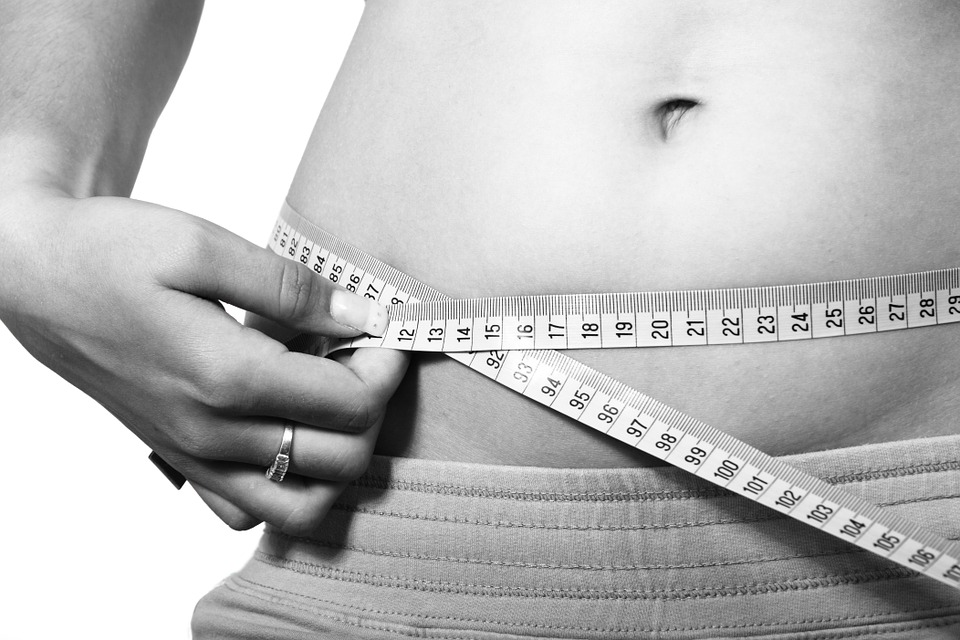
With an estimated 2.1 billion people being overweight or obese globally, and nearly 70 percent of South African women and 31 percent of South African men being overweight or obese, losing weight is becoming more and more of a necessity for many.
ALSO READ: 10 Healthy reasons to drink wine
It is also about so much more than how we look in the mirror. We are all becoming increasingly aware of the frightening health implications of being overweight, which include type 2 diabetes, high blood pressure, heart disease, strokes as well as certain types of cancer to name but a few.
With so many eating plans out there, it can be difficult to know which plan to follow and which will deliver the best results. The truth is that although it can be quite a challenge and take time, the theory behind losing weight is not complicated at all. For most of us, it’s a simple equation of energy in and energy out.
Basically, energy, with regards to food intake, is another word for calories. Your energy balance is the balance of calories consumed through eating and drinking compared to calories burned through physical activity. What you eat and drink is energy in and what you burn through physical activity is energy out.
Dr Rosetta Guidozzi, a general practitioner from Johannesburg with a special interest in weight loss, says that energy balance is the number of calories being consumed versus the calories being burnt off or utilised by the body.
“Too many in and not enough used up will equate to weight gain.”
In weight control, the “balancing act” means taking in only as much food and drink as you need to fuel your body’s basic functions, the activities of daily living, and exercise.
Dr Guidozzi says that the body requires calories while at rest as well as during movement, during which the calories consumed are increased which is why exercise is vital.
“Exercise is very important and should be at least 30 minutes per day, equivalent to a brisk walk. The more we move, the more calories we use,” she says.
Basically, if you take in more calories than you burn, you are likely to gain weight. But if you burn more calories that you take in, you should be able to lose weight.
Dr Guidozzi says that knowing how many calories to consume can be calculated using certain models, apps or calorie calculators which consider your age, height and gender.
On average and within a healthy, balanced diet, a woman needs about 2 000 calories per day (8 400 kilojoules) to maintain her weight. For a man, that figure is around 2 500 calories (10 500 kilojoules).
According to the website Healthline, in order to lose approximately half a kilogram a week, a woman needs to consume about 1 500 calories a day and a man about 2 000 calories a day. Once again this is very dependent on factors such as age, metabolism and levels of physical activity, among other things.
Reducing calories is one thing, but it’s also important to consider what foods you eat and not to starve yourself. Though this may work for some people, many people end up hungry and eventually give up on their weight loss attempt.
Healthcare practitioners such as Dr Guidozzi would generally recommend that you make a few permanent changes to help you maintain a calorie deficit in the long term, without feeling starved.
Dr Guidozzi warns that once calories have been reduced in comparison to what was previously consumed, this new amount must be adhered to. She says you cannot return to your previous calorie intake again without regaining weight.
Scientifically, generally in healthy patients, studies have shown having a slow metabolism, is no longer a viable excuse for being overweight. Scientifically, studies have shown that people’s metabolic rates tend to fall within about 5 percent of each other. Studies have also show that overweight people can underestimate calorie consumption and overestimate how much exercise they get by an alarming 50 percent.
“Generally speaking, both calorie reduction and increased exercise go hand in hand and must be continued as such,” Dr Guidozzi stresses and says that there is no one true diet or one-size-fits-all approach to weight management, and healthy lifestyle changes need to be life long.
“The changes made are forever whereas a diet often implies a short-term adjustment,” she says.
“If someone wants to weigh less, they need to consume less and exercise more than before and keep this change permanently,” she says.
Some people who are trying to lose weight might feel that their hunger is just too much especially at the start of a weight loss journey when they have been used to a certain number of calories which they are now reducing. These people might benefit from a prescription medication which, together with these types of lifestyle adjustments and change in food intake, can help kick start a weight loss journey, or can help someone get back on track. If you are worried about your weight, speak to your doctor for advice about how to lose or manage your weight.
HAVE YOUR SAY
Like the South Coast Herald’s Facebook page, follow us on Twitter and Instagram
To receive our FREE email newsletter, click HERE