Coronavirus: South Coasters quarantined in China
A photograph taken from their apartment window shows an eerily quiet and deserted city.
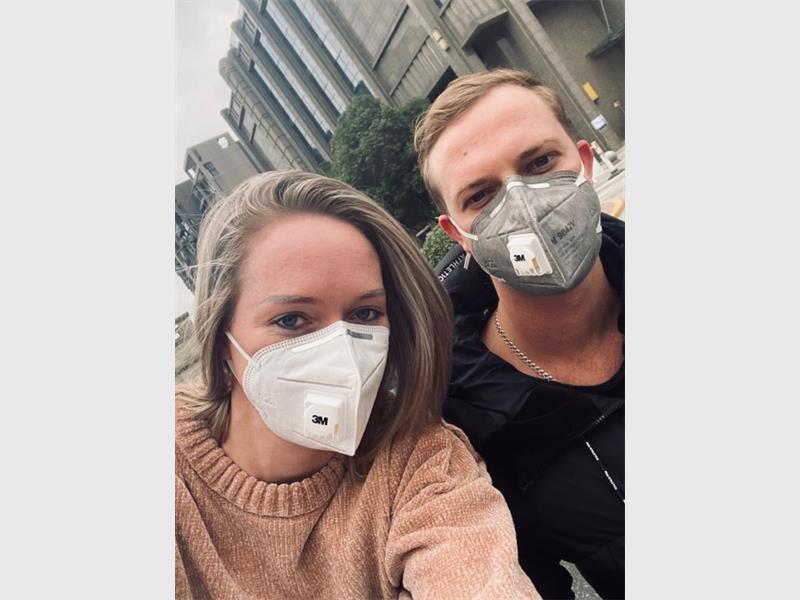
Two South Coast couples – Oliver Boyes (47) and his wife Kirsty (46), Keenan van der Veen (28) and his partner, Stacey Moore (32) – are currently on coronavirus lock-down in China.
Kirsty taught at Port Shepstone Junior Primary for three and a half years.
The country has restricted the movement of some 46 million people following the outbreak of the potentially deadly respiratory disease earlier this month.
ALSO READ : Watch: Will A Mask Really Protect You From Coronavirus?
The kindergarden teachers live in Hefei in the Anhui district, one of almost 20 Chinese cities to have been quarantined in an attempt to curb the spread of the virus, especially now, during the Lunar New Year or Spring Festival, traditionally China’s busiest travel season.
Oliver said that worryingly, their city had had the highest number of new cases reported.
“Bearing in mind that this is China and everything, including the media is controlled by the state, we fear the epidemic is far worse than is being reported.”
The four were meant to begin teaching this Monday, February 3 but this had now been postponed to February 17.
Speaking to the Herald, Oliver said that on Tuesday this week the doors to their apartment block had been locked.
“No key card, no entry, so only residents are allowed in, and the guard downstairs is very serious about this.
“As of yesterday, in our city bus services have been suspended, cross province travel bans are in place, so nothing and nobody is going in or out,” he said.
He added that last week an order had been issued that anyone caught outside without wearing a protective mask would be fined.
As an additional precaution, the South Africans have taken to also wearing surgical gloves to reduce their risk of contracting the virus by touching something an infected person had touched.
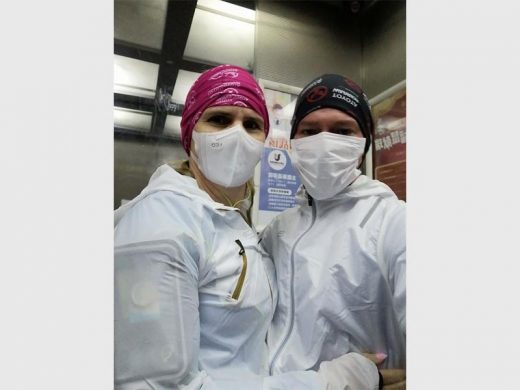
“All places where people congregate such as parks, halls, schools, clubs, bars and restaurants have been ordered to close,” said Oliver.
A photograph taken from their apartment window shows an eerily quiet and deserted city.
Asked if they were worried, Oliver admitted they were, but added that China was a very efficient country.
“An infectious diseases hospital is being built in six days and medical practitioners across the country have been mobilised. At this point we feel safer here than we would if this virus broke out back home,” he said.
An upbeat Stacey, who taught at Creston College for three years, told the Herald yesterday (Wednesday) they had managed to do some shopping at the mall, and that thankfully, shops had managed to stock up on supplies.
“In spite of all of this we are in high spirits and remain positive. We have other South African friends in the same building and together we organise dinner evenings, game nights and keep fit days.”
Stacey admitted that this could not have happened at a worse time as their passports are at China’s exit and entry for residence permit renewal, and this means they cannot leave the country at all.
She said that although queues in the shops were getting longer and the shelves emptier, for now their fridges were stocked.
“It has become a little more real as you hardly used to see people wearing masks, even when the air pollution was high, but now when I look around everyone has a mask on, even little children.
“We even have our temperatures taken as we enter our favourite little convenience store.”
At the time of writing, no cases had been reported in South Africa.
Coronavirus, according to the World Health Organisation is a large family of viruses that cause illnesses ranging from the common cold to more severe diseases.
These viruses are zoonotic, meaning they are transmitted between animals and people.
Common signs of infection include respiratory symptoms, fever, cough, shortness of breath and breathing difficulties.
In more severe cases, infection can cause pneumonia, severe acute respiratory syndrome, kidney failure and even death.
HAVE YOUR SAY
Like the South Coast Herald’s Facebook page, follow us on Twitter and Instagram
To receive our FREE email newsletter, click HERE