No confirmed cases of coronavirus in South Africa
The National Institute of Communicable Diseases says it continues to provide preparedness training, guidance and support to healthcare professionals in South Africa and the continent.
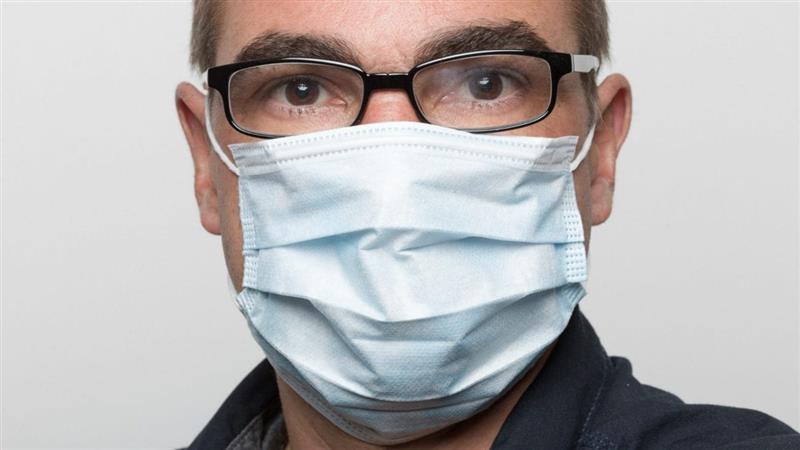
The National Institute for Communicable Diseases (NICD) confirms that as of February 11, 61 individuals were tested for the novel coronavirus (2019-nCoV) and all tests have come back negative.
In light of the ongoing novel (2019-nCoV) outbreak which originated in Wuhan City, Hubei Province of China and has now spread to other major Chinese cities and other countries, the NICD, a division of the National Health Laboratory Service, continues with its surveillance activities and testing of individuals with symptoms of the 2019-nCoV.
ALSO READ: Coronavirus: South Coasters quarantined in China
“South Africa remains a destination of choice for many travellers, with a lot of traffic managed from Cape Town International Airport and Oliver Reginald Tambo International Airport. All ports of entry, including high traffic airports, remain on high alert for a possible case. It is possible that we will detect a case and as such, we would like to assure the public that should South Africa identify a positive case, the country is well prepared to deal with it,” said the NICD in a statement.
“We continue to provide preparedness training, guidance and support to healthcare professionals in South Africa and the continent. The training of some 130 health professionals, including medical doctors, environmental health practitioners, emergency personnel, nurses and others took place in the North-West Tshepong Hospital to build capacity and response. The training includes guidance on what samples to collect to confirm the diagnosis as well as how to best manage the case clinically and to prevent spread to others while the diagnosis is being made.”
While the outbreak is ongoing, the public is urged to heed to measures to prevent the spread of respiratory infections. Good practice of hand hygiene and cough etiquette is recommended. In addition, people should adhere to the following:
- Avoid close contact with people suffering from acute respiratory infections.
- Practice frequent hand-washing, especially after direct contact with ill people or their environment.
- Avoid visiting markets where live animals are sold.
- Travellers with symptoms of acute respiratory infection should practice cough etiquette (maintain distance, cover coughs and sneezes with disposable tissues or clothing and wash hands).
- Health practitioners should provide travellers with information to reduce the general risk of acute respiratory infections, via travel health clinics, travel agencies, conveyance operators and at points of entry. Travellers should self-report if they feel ill.
HAVE YOUR SAY
Like the South Coast Herald’s Facebook page, follow us on Twitter and Instagram
To receive our FREE email newsletter, click HERE