Control cat colonies through sterilisation
About 200 cats are sterilised each month, as and when funds are available.
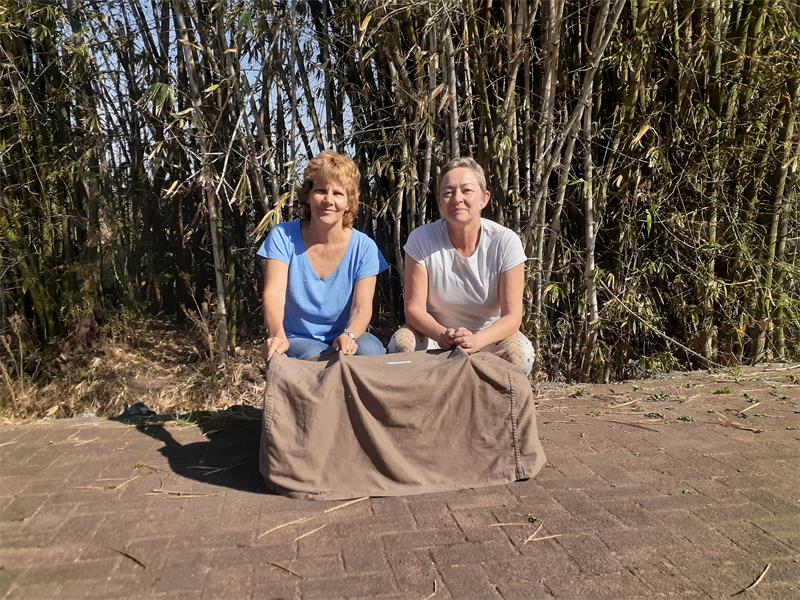
There has been a tremendous increase in the number of feral and stray cats on the South Coast in recent years.
Although some are cared for by people who feed them, this does not solve the problem of overpopulation.
Tragically, many unwanted cats are euthanised as shelters are overwhelmed with abandoned animals and are unable to cope.
Durban resident and cat lover, Niki Moore personally experienced this when she found two abandoned kittens back in 2013.
She initially thought that she could find homes for these animals, but was surprised when no one stepped forward to adopt them.
She was also unable to place them in a shelter due to the sheer number of kittens needing assistance in the area.
The kittens were eventually euthanised and because of this, Niki decided something had to be done to save the lives of unwanted animals such as these.
After talking to Tracey Hartley, founder of Durban’s Feral Cat Rescue Trust, Niki realised that sterilisation was the way to go.
“I did some research and discovered that by sterilising cats in an area, we can save their lives and also prevent overpopulation,” she said.
She organised a cat summit in August 2014 and it was then that Cats of Durban was born.
“We provide access to discounted sterilisation for these cats and pay for this through fundraising,” explained Niki.
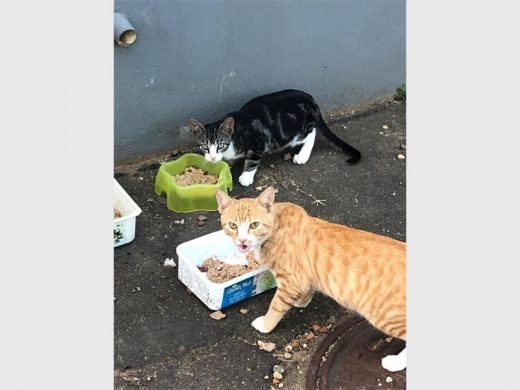
“Too many stray and feral kittens face a fragile future of abuse, starvation and disease, so we encourage cat owners to sterilise their pets.
“We educate the public about the benefits of looking after feral colonies, and we trap, sterilise and release the thousands of stray and feral cats throughout Durban.”
Niki explained that cats began reproducing from the age of six months and could have up to four litters a year.
“What’s shocking is that a single adult pair can generate up to half a million cats in seven years as they reproduce and their litter reproduces and so on,” she said.
The organisation has mobile clinics which travel to various areas where cats are sterilised by vet, Dr Lee Pachonick.
About 200 cats are sterilised each month, as and when funds are available.
Cats of Durban has been in touch with the Pennington Conservancy regarding a mobile clinic visit to the Pennington area soon.
Funds for this visit are being raised. To donate, visit the Cats of Durban website where there is a donation portal, or email admin@catsofdurban.co.za
The organisation is made up of 10 dedicated volunteers and is currently in need of more volunteer trappers.
If you would like to become involved in this project, chat to Niki and the volunteers via the Cats of Durban Facebook page.
“At the end of the day, it is a lot of hard work and can be very exhausting, but we have great team spirit and the end results are rewarding,” she said.
HAVE YOUR SAY
Like the South Coast Herald’s Facebook page, follow us on Twitter and Instagram