From The Dog Box: Nature or nuture
As working breeds have been selected for specific purposes, changes in the brain and body have evolved, enabling these breeds to excel in the selected tasks.

Is it possible to alter the nature of an animal by means of training and nurturing?
Behaviours are largely determined by genetics. Humans have long taken advantage of this to artificially select genes and eliminate others in modifying dogs’ behaviour patterns.
As working breeds have been selected for specific purposes, changes in the brain and body have evolved, enabling these breeds to excel in the selected tasks.
Breed-specific behaviour can be so satisfying that external reward or punishment have little chance of competing.
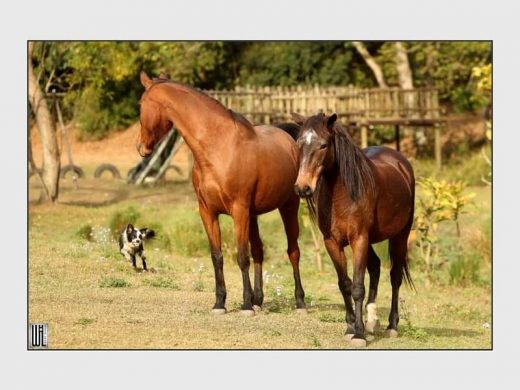
An example of this is well demonstrated in the border collie. This breed has a unique body that enables it to easily go into a stalking posture while maintaining the ever-watchful ‘eye’.
These dogs are able to swing their entire bodies around while keeping the head stationary and eyeing sheep. The brain, skeleton and muscles allow effortless switches between stalking, standing and lying down.
Because these behaviours are ingrained, they can’t be suppressed without resorting to cruel methods such as confining them in a cage.
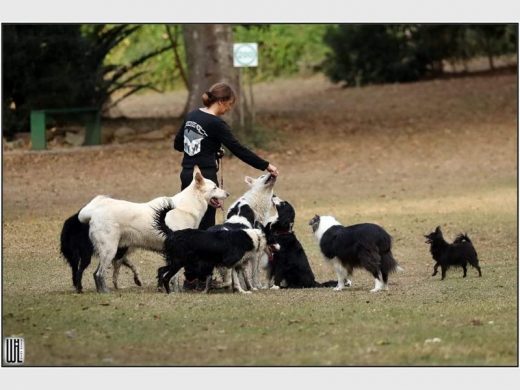
Border collies will perform these herding behaviours regardless of whether the subject is granny, toddler, cat or shadow. If you can’t accept these behaviours don’t get this breed.
By the same token, you can’t remove traits innate in other specific breeds.
Pit bulls and Staffordshire terriers on reaching a certain age have the potential to exhibit the killing bite and execute a fatal attack on small animals or dogs.
Calming signals and impulse control are selectively bred out to ensure that with little provocation and by surprise attack they gain advantage over an opponent.
These dogs may be ‘sweet’ to humans but when expected to coexist with other animals the potential for heartbreak and tragedy is real.
If this is your favourite breed please be mindful of the risk posed to other pets.
It’s wise to research the characteristics of a breed to make sure that a happy, lasting and amicable future is likely.
Susan Henderson© (Accredited Animal Behaviourist}
HAVE YOUR SAY
Like the South Coast Herald’s Facebook page, follow us on Twitter and Instagram