Protecting children’s rights
As a result, the sexual abuse continues and creates a 'bond between the alleged perpetrator and the child'.
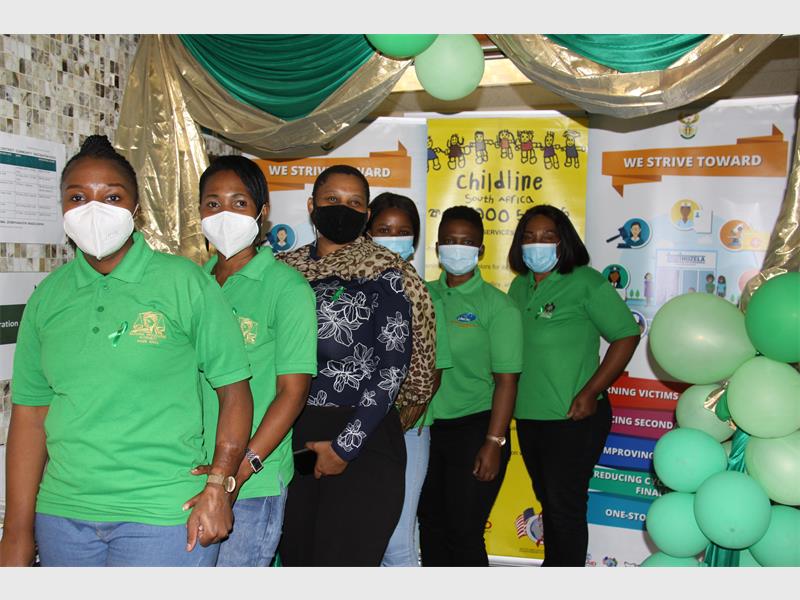
“Children are raped by people who are supposed to protect them,” says Sr Duduzile Ndlovu, operational manager at the Thuthuzela Care Centre at Port Shepstone Regional Hospital.
To observe Child Protection Week from May 30 to June 6, the centre has created awareness by setting up a display in the hospital foyer and visiting various departments in the hospital to speak to patients about the signs of abuse.
“Almost all children are raped by people they know, and people they live with,” said Sr Ndlovu.
She said it is difficult for the child to disclose the abuse. “People need to understand if a child is being abused, the alleged perpetrator will tell the child not to disclose it and threatens to harm their family.”
As a result, the sexual abuse continues and creates a ‘bond between the alleged perpetrator and the child’.
“When the child feels she cannot continue anymore, the alleged perpetrator will turn it back on the child, ‘you have been quiet all this time, I gave you R2 everyday, or I bought you a cellphone if they are teenagers’. It becomes a tangle of lies and the child decides not to speak up,” said Sr Ndlovu.
Physical signs of abuse:
* If the child is menstruating, aged 13 or 14, does not ask the mother for sanitary pads when she usually does or it remains unused – the child might be pregnant.
* An abnormal vaginal discharge, sores or warts – a child cannot have these unless someone is having a sexual relationship with them.
* Emotional – if the child is doing well at school and the child fails dismally. The reasons are that the child is thinking of the abuse and unable to sleep at night as the perpetrator is on the premises, instead she sleeps at school.
* The abused child will isolate herself, as she feels dirty and does not want to want to socialise with other children.
* Psychosomatic illnesses – for example, the child complains of a headache and is sent for a CT scan which is clear.
“With psychosomatic illnesses, the child is crying for help. During training sessions, I tell sisters at the clinics to interview the child without the parents. Often if they ask the child a question, she will look at the the mother for confirmation ‘to tell’ and it doesn’t happen,” said Sr Ndlovu.
“Some parents know about the abuse and they treat it as a family matter and the child does not have anyone to report to. Sometimes teachers help us identify them and bring them to us.”
If anyone finds themselves in an abusive situation, report it at the nearest clinic and the police will be notified or go to the nearest hospital or police station.
They can also go to the Thuthuzela centre as a police officer, National Prosecuting Authority officials, social workers from Childline and Lifeline are available to assist.
HAVE YOUR SAY
Like the South Coast Herald’s Facebook page, follow us on Twitter and Instagram