Covid-19 waste is a new form of pollution
Without urgent action, the 11 million metric tons of plastic entering our rivers and oceans annually, will triple in the next twenty years.
Specialist investigator Mike Bolhuis not only cracks big crime cases but is working to save the environment.
Bolhuis’s team of Specialised Security Services are working with local environmentalists, Oceans Alive Conservation Trust and Adopt A River to make an impact.
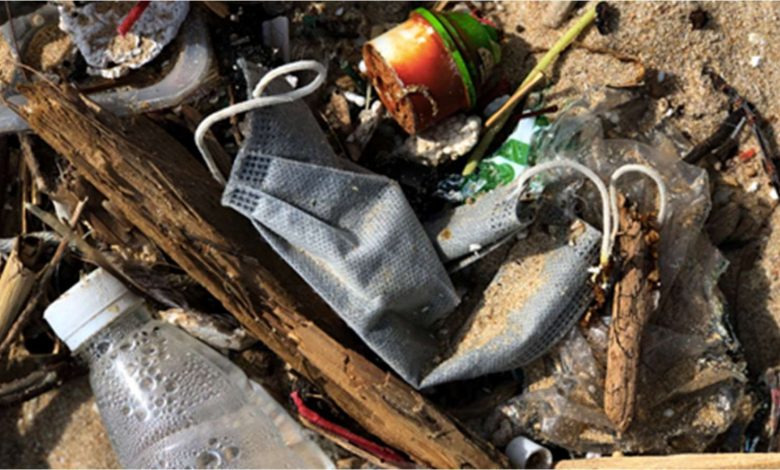
One of their projects focuses on Covid-19 face masks, gloves and other waste products that are keeping users safe, but polluting rivers and oceans.
Coronavirus waste has become a new form of pollution as single-use personal protective equipment (PPE) inundates rivers and oceans. This disease has had several unexpected impacts on the environment, curtailing recycling and increasing the production and use of plastic around the world.
Bolhuis said: “We have to be mindful of not moving from a pandemic to a natural disaster.”
Why plastic?
Plastics have an excellent strength-to-weight ratio, and are durable and inexpensive, making them the material of choice for most disposable medical tools, equipment, and packaging.
The Covid-19 pandemic has demonstrated the indispensable role of plastic in the healthcare sector and public health safety.
The surging number of in-patients and virus testing substantially increase the amount of plastic medical waste.
To sustain the enormous demand for PPE (including face masks, gloves, and face shields), many single-use plastic (SUP) legislations have been withdrawn or postponed.
In addition, lockdowns, social distancing, and restrictions on public gatherings increased the dependency on online shopping at an unprecedented rate, the packaging material of which often contains plastics.
The existing problem:
Research shows that about eight million tons of plastics already enter the oceans annually, adding to the existing 150 million tons already circulating in marine environments. Another study calculates that if every person used a single-use face mask a day for a year, it would create an additional 66,000 tons of contaminated waste and 57,000 tons of plastic packaging.
Answers:
It is clear that there are no hard and fast answers to this global problem. Without urgent action, the 11 million metric tons of plastic entering rivers and oceans annually, will triple in the next 20 years.
What can I do to help?
1. Refuse to use single-use disposables, including PPE disposables such as masks and gloves.
2. Many items in every household are made of disposable plastics: grocery bags, plastic wrap; disposable cutlery, etc. Replace these with reusable versions.
3. Stop buying water as close to 20 billion plastic water bottles are thrown away each year.
4. Cook at home and stop buying take-aways. Or when you do spoil yourself and eat at an establishment, take your own container, and avoid the doggy bag.
5. Purchase second-hand items. Apart from saving you money, new toys and electronics are made of and packed in a tremendous amount of plastic.
6. Take deliberate action and recycle. Educate and remind your household members to continuously work on this as a project together. For specifics on what type of plastic should be recycled in which manner, many examples are available on the internet.
7. Use reusable shopping bags for all your groceries and other items.
8. Put pressure on manufacturers and authorities. Although it might seem as if your own complaint is only a drop in the proverbial ocean, everyone should be held accountable. For example, choose a more sustainable competitor when buying produce, sign new legislation to help sustain the immediate environment and grow recycling ventures.
If you would like to report any imminent danger to any animals or to the environment, contact Bolhuis on 082 447 6116.
HAVE YOUR SAY
Like the South Coast Herald’s Facebook page, follow us on Twitter and Instagram