Good Business Basics: Tshwane’s ‘operation cut-off ‘ targets delinquent customers
Provincial and National government departments have been shown up to be chronic defaulters on municipal payments.
The city of Tshwane has currently set the cat amongst the pigeons with its ‘Operation Cut-off’ where delinquent customers, in the main government departments and entities had their water and electricity cut off for non-payment.
While this exercise provided some interesting journalism and comments, and content for the stand up comedian brigade, there is a more sombre side to this episode.
My analysis is simple: this situation has been ongoing for many years, and the inability or unwillingness of the government (read ruling party) to properly address it reflects the following:
Firstly, I believe it displays a level of arrogance and disrespect that stems primarily from the fact that the ruling party does not inherently believe in the structure of government as we have it. Their ‘centrist’ view continues to hold that central government should hold sway, and lower structures, Province, District, Local deserve reducing levels of respect.
Hence, as the reports have shown, both Provincial and National government departments have been shown up to be chronic defaulters on municipal payments. It is not surprising therefore that municipal office bearers, mayors and municipal managers included, would balk at confronting provincial, or God forbid National department managers or MECs to facilitate payments of outstanding debts.
Secondly, the issue of tardiness in payments, whether for services or to service providers (within the 30-day window, or indeed at all), reflects the manner that individual cadres in the ruling party view issue of financial probity.
As far as we can remember, senior cadres have been shown up as profligate and spendthrift in their personal financial dealings, starting with Tony Yengeni and his infamous Mercedes SUV leveraged through the arms deal, to recent revelations at the Zondo Commission fingering Nomvula Mokonyane and Gwede Mantashe for receiving largesse from Bosassa, essentially to maintain their high flying lifestyles.
And of course you have the situation of the ruling party’s inability to manage its own finances, graphically illustrated by the plight of unpaid employees, and the litany of court cases from service providers for unpaid goods and services. Further illustrating and exacerbating the point of financial irresponsibility is the fact of deductions for tax, medical and pension benefits not being remitted to the providers of these benefits, a patently illegal action on the Party’s part.
So with role models like these, it cannot be surprising that officials and management of government departments and entities view their obligations to local authorities, and indeed most creditors with a hearty laissez-faire attitude.
Finally, apart from highlighting the dangers of political dominance by a single party as we have had in this country for so many years, the significant losses by the ruling party in major metros such as Tshwane may have finally given local government structures an opportunity to re-invent themselves.
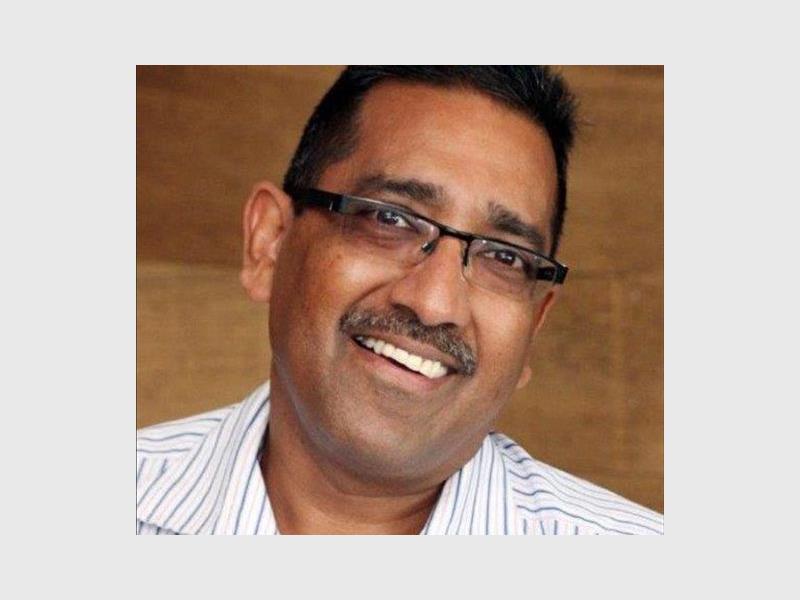
Vijay Naidoo is the CEO of the Port Shepstone Business Forum. He writes in his personal capacity. The views expressed are the author’s own and do not necessarily reflect those of this publication.
HAVE YOUR SAY
Like the South Coast Herald’s Facebook page, follow us on Twitter and Instagram