Top reasons to visit a Blue Flag beach
Blue Flag beaches are also required to implement several other safety measures, including access to safe drinking water and well-maintained ablution facilities.
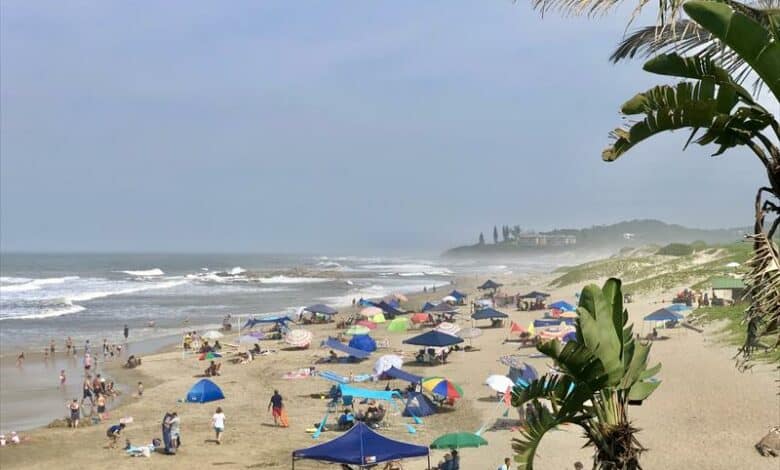
Many people have had (and are still having) a sizzling summer on the South Coast’s Blue Flag beaches.
As per the Wildlife and Environmental Society of South Africa (WESSA), Blue Flag beaches in the area include Marina, Trafalgar, Southport, Umzumbe, Ramsgate, Hibberdene and St Michaels (Pilot).
When a Blue Flag is raised on a beach, it is an indicator that locals can expect a safe swimming experience – including lifesaving measures, clean sea water and other safety measures – as well as compliance with further international standards of beach management covering cleanliness, safety, water quality, facilities, accessibility and environmental stewardship.

At Blue Flag beaches, safe zones for swimming are demarcated by yellow and red flags, where swimmers are safe from dangerous currents and also within reach of qualified lifeguards trained to national standards during operational hours, who can respond promptly to emergencies and provide first-aid if necessary.
These lifeguards are equipped with rescue boards, torpedo buoys and first-aid kits, and some beaches also have jet skis or inflatable rescue craft. Also, look out for safety messages, warnings and emergency numbers on the Blue Flag beach signage boards, especially about the dangers of rip tides.
Blue Flag beaches are also committed to maintaining clean waters that are free from pollution for a safe and enjoyable swimming experience for beachgoers as well as marine life.
To ensure Blue Flag sea water quality meets the highest global standards, rigorous and regular analysis and microbiological testing are done by independent accredited laboratories, including SABS, PathCare, A.L Abbott & Associates, B.N. Kirk and Western Cape Laboratory Services.
At least 20 water samples are required initially, sampling from 30cm below the water surface at designated swimming areas on an incoming tide, with ongoing testing twice a month or weekly. Water samples are carefully packed in special cooler boxes and transported to an accredited laboratory for analysis and microbiological testing for Escherichia coli (Blue Flag quality limit of live bacterial counts: 250 per 100ml) and for intestinal enterococci (Blue Flag limit: 100 per 100ml).
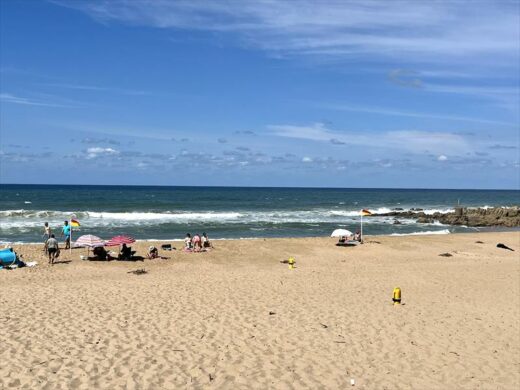
The original lab results are checked by WESSA before being posted on its website and displayed on Blue Flag beach information boards.
If Blue Flag water quality standards are not met, the actual Blue Flag at the beach is lowered until tests confirm the pollution has cleared. If the pollution persists for more than 10 days or more than 5% of samples taken show pollution above Blue Flag limits, the beach will lose its Blue Flag status for the rest of the season.
Blue Flag beaches are also required to implement several other safety measures, including access to safe drinking water and well-maintained ablution facilities.
Blue Flag beaches also offer safe parking areas with easy, safe access to the beach and clear signage indicating safety rules and warnings. At least one Blue Flag beach in each municipality must have access and facilities for the physically disabled.
To contribute to maintaining Blue Flag standards, one may contact the beach manager (find their number on the Blue Flag board) with concerns or compliments or reach out to the WESSA Blue Flag team at blueflag@wessa.co.za or on WhatsApp at 064 8800491.
HAVE YOUR SAY
Like our Facebook page, follow us on Twitter and Instagram