Hand, foot and mouth disease case at local school
Parents were updated on the confirmed case.
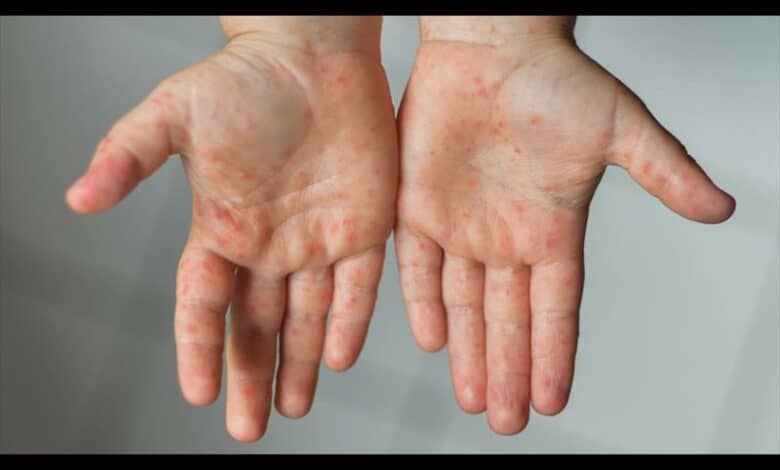
A case of hand, foot, and mouth disease (HFMD) was reported at a local school last week.
Parents were updated on the confirmed case.
According to information received, it had been suggested that learners in that particular class not attend school last Thursday.
It was also suggested that the classroom be disinfected.
Various heads of department within the Ugu District Education Department and the KwaZulu-Natal Department of Education were contacted for comment, but none was received at the time of going to press.
Since February, HFMD cases have been reported at educational institutions in eThekwini.
According to the provincial health department, as of February, the number of cases stood at 117.
HFMD is a viral infection that commonly affects infants and children under 10 years of age.
It is caused by a group of viruses known as enteroviruses, which infect millions each year globally.
Small outbreaks often occur in daycare centres or crèches during the summer and autumn. The condition is generally mild and self-limiting, meaning those affected typically recover within seven to 10 days.
What does HFMD look like?
The rash manifests as tiny red bumps or blisters on the palms of the hands, soles of the feet, fingers and toes. In the mouth, the rash appears as painful sores or ulcers mainly clustered in the back of the throat.
But, the rash does not necessarily appear in all three areas and can appear on the arms and legs as well as on the buttocks. In addition to rashes, children often have a fever for the first few days of the illness. Some also have loose stools.
Although the skin rash can be a slightly tender nuisance, the mouth sores can be so painful that children refuse to eat or drink.
How to treat HFMD?
While there is no specific cure, you can keep your child comfortable until the illness resolves by following these tips:
* Treat mouth pain so that your child drinks well and avoids dehydration.
* For toddlers and older kids, offer soft foods such as yoghurt, pasta, pudding or smoothies, as well as ice pops to provide sustenance and relieve pain.
* Offer your child a variety of fluids, keeping in mind if they are not eating. Water alone does not provide energy for the body, nor does it provide the salt needed to maintain blood pressure.
HAVE YOUR SAY
Like the South Coast Herald’s Facebook page, follow us on Twitter and Instagram