
Ghosting fishing line collection and analysis bins launched on South Coast
The Wessa team continues to champion the protection of South Africa’s coastline.
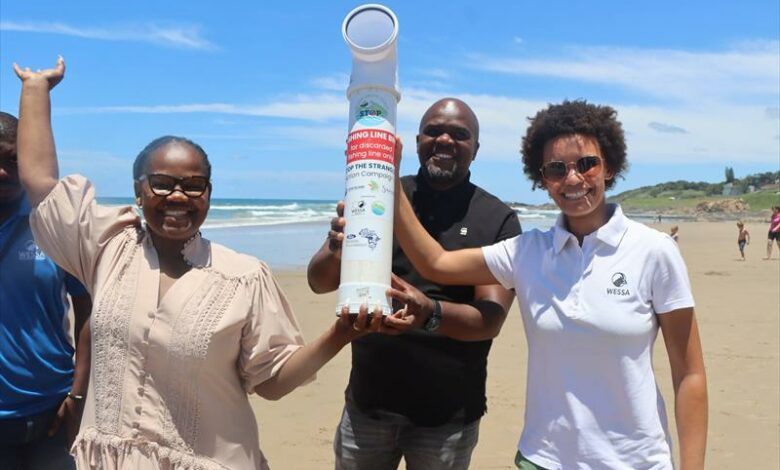
A significant step in the fight against ghost fishing gear was taken at Kidds Beach, Leisure Bay recently, with the official handover of Stop the Strangle fishing line collection and analysis bins.
Wildlife & Environment Society of South Africa (Wessa) CEO Cindy-Lee Cloete handed over the bins to the mayor of Ray Nkonyeni Municipality (RNM), Clr Zodwa Mzindle, reinforcing collaborative efforts to protect marine life along the coastline.
The handover was attended by representatives from the KZN Wessa office, the Mpenjati and Leisure Bay conservancies, as well as RNM officials, including Mthandeni Ndwalane, head of Department of Community Services; Simon April, senior manager: mayoralty and communications; and Sbongiseni Langeni, manager of aquatic safety.
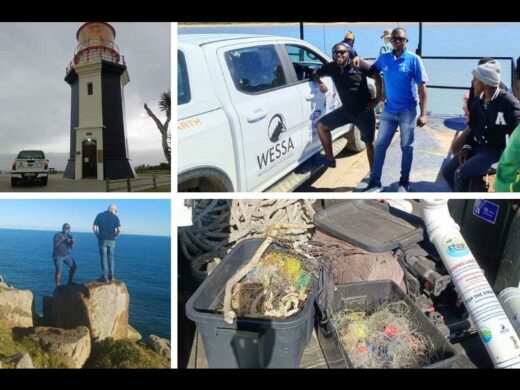
Last month, Wessa hosted the Ford Wildlife Foundation and its marketing and production team to film a documentary on the ‘Stop the Strangle’ coastal action campaign. This formed part of the national Ford 100 Relay, which will publicly spotlight Wessa’s initiative to roll out 100 fishing-line collection and monitoring bins across South Africa.
This activation highlights the challenges of marine pollution with a spotlight on ghost gear and ghost fishing where 640 000 tonnes of fishing gear are lost annually, contributing to the deaths of 100 000 marine mammals and over one million seabirds each year.
The filmed feature will showcase the national placement of the branded collection and analysis bins and explain how coastal communities are tackling the issue of ghost fishing gear by contributing as citizen scientists in ‘Stop the Strangle’.
Ghost fishing gear includes any abandoned, lost, or otherwise discarded fishing gear, much of which often goes unseen. It is the deadliest form of marine plastic as it catches wildlife, entangles marine mammals, seabirds, sea turtles, and sharks, subjecting them to a slow and painful death through exhaustion and suffocation. Ghost fishing gear also damages critical marine habitats such as coral reefs.
“Together, we remain committed to sustainable coastal management and environmental protection,” said April.
HAVE YOUR SAY
Like the South Coast Herald’s Facebook page, follow us on Twitter and Instagram


