
THERE is an African Eden called Gonarezhou National Park that, for most of the time I lived in Zimbabwe, was out of bounds to ordinary visitors because of the bush war.
Then, when Bill and I visited the country in 2002, the park was open for business and, at last, we were able to explore this incredibly wild and scenically beautiful piece of untouched lowveld wilderness. It was our final destination before we crossed the border back into South Africa.
Unfortunately, because of time restraints, we were only able to visit the northern sector. This part of the park contains one of Gonorezhou’s main attractions, the renowned Chipinda Pools, formed by natural rock walls that have dammed up the Lundi River in a series of dramatic waterfalls and rock pools. We spent a couple of wonderful days all by ourselves, camped beneath a big sausage tree overlooking the terraced Lundi River and these amazing natural ponds.

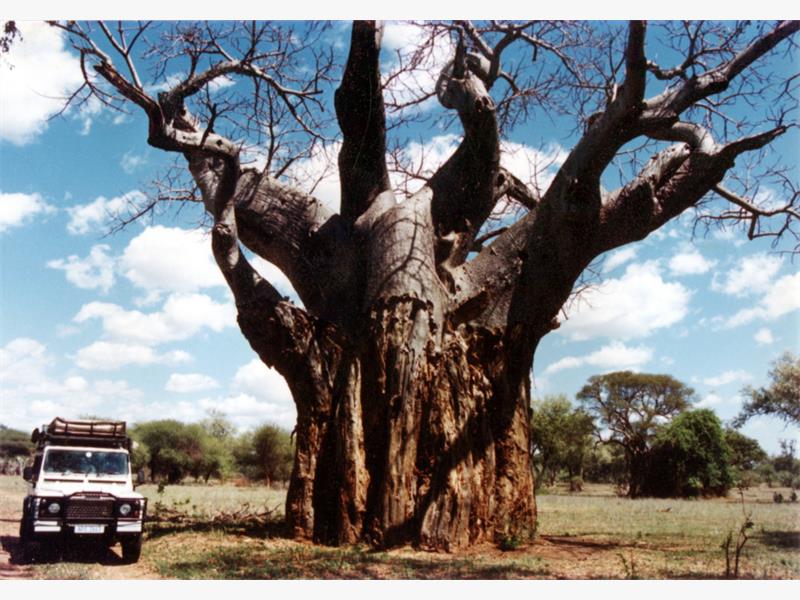
After we had explored that area of the park fairly thoroughly, we headed for Chinguli campsite for another two nights. As we drove there, the beautiful spring morning soon turned into a scorching day. The road took us away from the river, through mopane scrub, woodlands and open grasslands, all green and pretty at that time of year. Giant baobabs towered over the bushveld, their thin branches seeming to snag the little cotton clouds that drifted across an impossibly blue sky.

There was plenty of game along the way – and raptors and a plethora of colourful bushveld birds. We stopped to watch a herd of elephant crossing a stream. They weren’t in any hurry – and neither were we.
At Bengi Weir the vegetation changed dramatically. We found ourselves in a surreal landscape of black earth, harsh rocks and broken mopane trees. This bleak and desolate place was, in its own strange way, quite as beautiful as the soft summer greenery through which we had passed.
At Chinguli we set up camp in a a spot quite as green and pretty as the one we had just vacated at Chipinda Pools. From our camp we looked down on another rocky stretch of the river. A little downstream from where we camped it flattened out, a denim blue ribbon lacing its way through the the wide, white river sand. Like a painted backdrop in a cowboy movie, Chilojo Cliffs dominated the landscape, a natural work of art wrought in plum and cream stripes.

We drove to the top of the cliffs, early next morning, in time to see the rising sun light up the cliff face and the magnificent panorama spread out beneath our feet. We spent the rest of the day in blissful solitude, seeing plenty of game and big elephant herds but not another human soul.
Later, back in camp, after a glorious sunset, Mother Nature produced another spectacle. A big, fat, golden moon rose slowly in the sky, lighting up the surrounding bushveld. Lion and hyena called during the night and in the morning when we packed up camp there were jackal nearby. When we left Gonarezhou, we felt like we were being banished from Eden.
It was time to go home, but on the way to the Beit Bridge border post, we had one more call to make before we said goodbye to Zimbabwe. We stopped for lunch at the iconic Lion and Elephant, perhaps the best known of Zimbabwe’s charming way-side inns. You just have to stop there when you are travelling that long, straight road. If you’ve travelled it, you more than likely stopped there for a cup of tea, a beer or a meal. And bought some biltong too, I am sure.
When I first moved to Zimbabwe in 1973 there were charming little hostelries, like Lion and Elephant, on almost any route you chose to take. Sadly many of them have disappeared but Lion and Elephant remains, a monument to yesteryear and to an era when travel was a more leisurely affair.




