
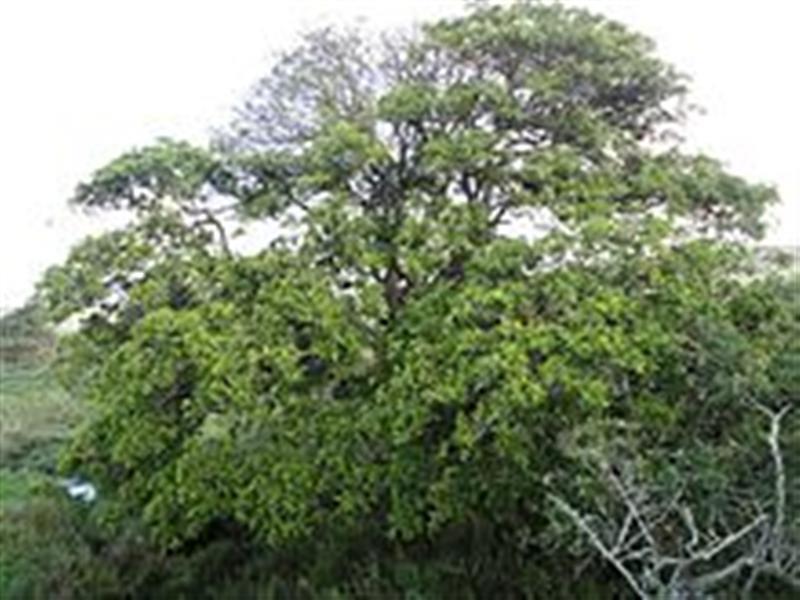
YES, I know it’s a cliché, but the spring really did happen one day this past week.
There are many signs that spring is in the air. For example, for some reason beyond our ken the neighbour’s house has been more and more visible of late, and then just a couple of days ago it disappeared.
Well, maybe that’s an exaggeration, but in its place we suddenly had a ficus sur in full leaf. The ficus, a lovely tree with large colourful leaves, had been almost bare up until a couple of days ago and then there it was, in full spring bloom again, hiding the neighbour.
Not just the ficus either. We’ve noticed the same with the bridelia micrantha, the beautiful coastal golden leaf, specifically the one known as the Ding Tree (it grows in the middle of the drive, outside the garage, and I’ve dinged it with our car several times). One day it was almost bare and today it is again in full and glorious golden leaf.
And then those wicked ‘uitlanders’, the Australian tree ferns (we have two), have suddenly unfurled their new spring leaves or branches from their crowns, a clear signal that their period of dormancy is over and they are back in business.

There are other, perhaps more obvious signs as well. The sun is suddenly getting up much earlier and is moving rapidly south, there’s suddenly more gloaming in the evenings, and perhaps most significant of all, the first mosquito was swatted in The Hide last night.
I don’t know if it’s a sign of spring, but the Red Corner (the red enamel plate that serves as a bird ablution facility in The Hide) is suddenly being used by white-eyes as well as the olive and collared sunbirds. It’s actually become quite a busy corner.
Unrelated to spring, but staying with birds, we were down at the beach the other day and noticed a pair of African pied wagtails, one of which had the club foot so characteristic of wagtails. It was sad to see this little chap going about his (her?) business and every now and then pecking at the mess that was its foot.
We used to see this in our Cape wagtails in Jo’burg and so many of them seem to be affected, it’s very sad. A study done at the Faculty of Science at the University of Johannesburg has shown that there are a number of reasons why the wagtail (the study was specifically on the Cape wagtail, but as we have seen the African pied is obviously also affected) is affected.
These include infestations by the scaly-leg mite which have a detrimental effect on the bird’s legs and feet and a build-up of metal pollutants in the feathers which eventually affect the feet (it’s very complicated). I did not read of any specific preventative measure or cure for the poor old wagtail, but still, they remain one of the most endearing of birds.
Enough, a happy spring to you all. Cheers!



