
WE moved down to the coast a little over 10 years ago and a very challenging business it was all round.
There was much to learn about all sorts of things, and one of the first areas of new interest was that of the many shipwrecks along this coast, particularly those of those amazing adventurers, the Portuguese, in the 1500s.
The São João comes to mind, wrecked off Port Edward in 1552. She was the biggest ship afloat at the time and when she crashed onto the rocks on that dreadful day there were some 600 souls on board, most of them slaves.
About 100 died during the wreck and the 500 survivors eventually set out for Mozambique, hundreds of kilometres away. Many months later just 25 of them, out of 600, arrived at a Portuguese settlement near Inhambane.

Learning about this led to another experience for us. Our new home was built in the coastal forest, the sort of terrain that the survivors of the São João had to tackle. We looked straight into the forest and imagined those survivors walking through it either barefoot or in silk slippers, with little food and water to sustain them and danger all around. It was all very humbling.
These journeys of survival were usually the first contact between Africa and Europe and there were lots of surprises all round, lots of amazement. Which brings me to the title of this column (I’m afraid I couldn’t resist it), the title of a new book on these and other shipwrecks along our coast.
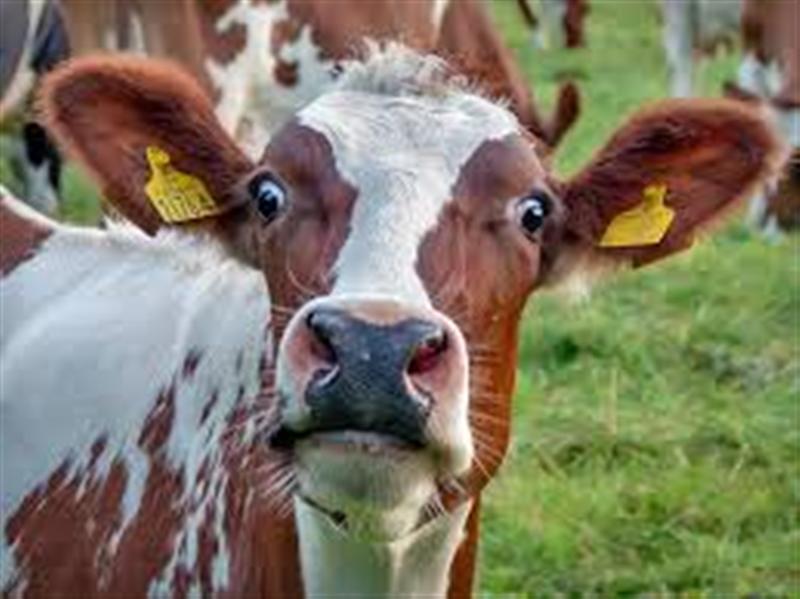
‘Even the cows were amazed…’ is a quote, “If the ‘locals’ (original word unusable) thought our people odd on account of the difference in colour and dress, their cattle were no less astonished. They would run towards the Portuguese from a great distance, and then stop near them with their muzzles in the air, as if amazed at such a novelty”.
These were survivors of the wreck of the Santo Alberto near the Kieskamma River in 1593, and the quote is from a topical account of the tragedy.
The book covers shipwrecks from Plettenberg Bay to Kosi Bay, 1552 (São João) to 1782, and survivors’ journeys to the north and the south and it really is an excellent reference.
Just to justify all of this is an environmental column, there are descriptions of the sort of countryside these people had to negotiate, and it was hard going. Remember this was all from about 450 years ago when there were no bridges over river estuaries and a lot more thick forest and bush to contend with, and I don’t have to imagine that, I can see it out of my study window.
The undergrowth has died back a bit now because of the drought, but it’s still pretty intense stuff for a barefoot pedestrian and I’m glad I don’t have to negotiate it. Cheers!
Source: Even the Cows were Amazed: Shipwreck Survivors in South-East Africa 1552-1782, Gillian Vernon, Jacana, Johannesburg, 2013.



