
NEXT week is National Marine Week, so what better time than now to look at the state of the world’s oceans? And the situation is not good.
A report released by the World Wildlife Fund (WWF) in the UK* says that half the animals in the world, including marine animals, have disappeared since 1970 because of uncontrolled human expansion.
The WWF’s Living Planet Report looked at 10,380 populations of 3,038 species across the globe and found that
populations of mammals, birds, reptiles, amphibians and fish had declined by an average of 52 percent over the last 40 years.
As far as the oceans are concerned, the WWF makes specific mention of over-fishing and made a special appeal to consumers to change their shopping habits and to buy only sustainable products such as fish with the Marine Stewardship Council of the UK stamp of approval.
Of course, in South Africa that appeal has been long-standing with the Southern African Sustainable Seafood Initiative (SASSI) calling on us to choose from the SASSI green or orange lists, but definitely not from the red list. Ironically, SASSI is a WWF initiative.
There is a little fold-out pamphlet that one can comfortably carry when out shopping and a quick referral to the lists will tell you if you should be buying a particular fish or not. Ask your fishmonger for one.
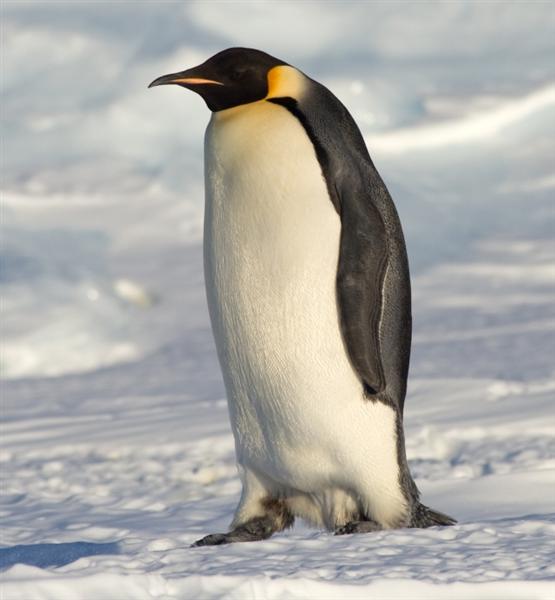
Another report from the UK** says that the 600,000-strong population of emperor penguins in the Antarctic will be reduced by about a third by the end of this century because of the melting of sea ice due to global climate change.
The report says that nine of the penguins’ 45 colonies will be virtually extinct within 90 years. The penguins rely on the ice to get to their breeding colonies and crucially, in addition to fish, they also feed on tiny crustaceans called krill which in turn feed off algae on the sea ice.
When the sea ice declines, so do the krill. A team from the Woods Hole Oceanographic Institution in the United States has been studying the situation in Antarctica and says that the status of the emperor penguin is so grave that it should be declared an endangered species.
The researchers said that urgent measures should be taken to protect the species and they suggested that parts of the vast Antarctic Ross Sea be declared off-limits to international fishing fleets.
This, they said, would reduce the pressure on fish stocks, giving the penguins a better chance of finding food.
A sorry situation indeed and I’ll have to come back to that WWF report as I have not even touched on the situation on land yet, but for now it would seem that the oceans are in trouble as we mark National Marine Week. Cheers!
PS: The Second Chance Avian Rescue unit, which takes in birds in trouble, is in desperate need of help with bird food. If you can assist in any way please phone Michelle Pearson, 083 246 6765. CLICK HERE TO READ MORE ‘FROM MY HIDE’
*Daily Telegraph, London.
**The Week: The Best of the British and
International Media, London.



