
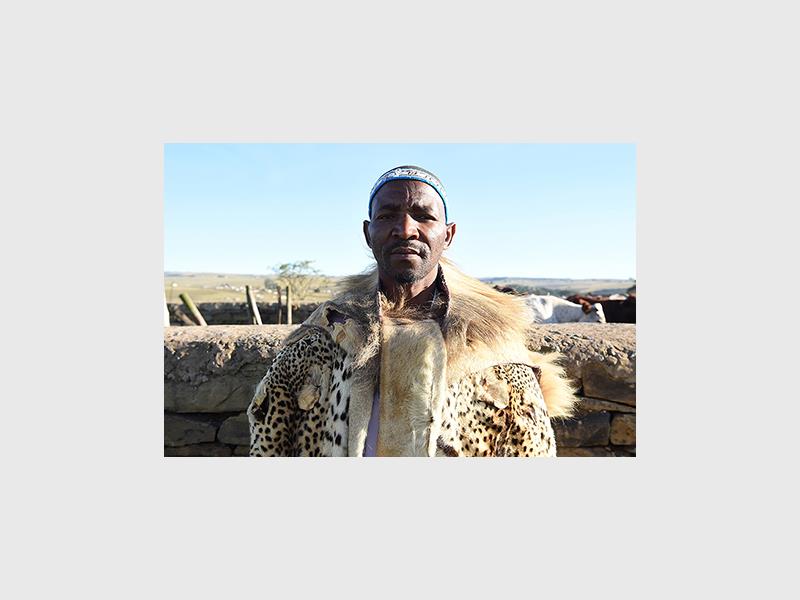
TWO weeks ago hundreds of dignitaries from across South Africa descended on the Xhosa royal homestead in Nqadu, Eastern Cape for the first coronation of a Xhosa king in over fifty years. Traditional leaders that attended the event used the occasion and the large media presence to share their views on the treatment they receive and it was clear that many of them believe that they are not shown the proper respect they believe they deserve, with some citing the ‘special’ treatment Zulu monarch, King Goodwill Zwelithini, as a benchmark for the way they should be treated. However, as many African families are becoming increasingly westernised, do such traditional leaders still serve a purpose in today’s society?
Forty years ago, the role of traditional leaders was unparalleled as they governed their respective tribes, enforced traditional laws and acted as a mediator during tribal disputes. However, other the years, particularly during the Apartheid era as it became clear that the law and political power had far more authority than culture as most traditional leaders failed to protect their people from the oppression they were subjected to during the time, many African leaders began to lose their influence. There are still some communities that still abide by traditional laws though, especially in Kwa-Zulu Natal where the ruling Inkatha Freedom Party, a predominantly Zulu party led by Prince Mangosuthu Buthelezi, works with traditional leaders in the province where they plan for the development of infrastructure and act as a middle man between residents and the local government. Some royal leaders, particularly in the former Transkei region, fell out of favour with their people when, during Apartheid, they formed alliances with the National Party that allowed them to enrich themselves while many of the citizens in the area practically became slaves to the system, having their movements controlled and earning next to nothing as a result of the economic restrictions they faced due to the laws at the time. However many traditional leaders also played a leading the role in the struggle, including former President Nelson Mandela who was Xhosa royalty, and former ANC leader Chief Albert Luthuli.

While some royal figureheads complain that they don’t receive enough support from government, many feel that they already receive too much. King Zwelithini receives an annual allowance of over R52-million rand from the government to fund his lavish lifestyle which includes the maintenance of five palaces, twenty-seven children and five farms. Now given that the average cost of attending university in South Africa is estimated to be around R120 000 per year and the average length of a degree is four years, if the money Zwelithini receives were allocated to education this would mean that a hundred and eight students would receive a tertiary education, which would do a lot to relax the current crisis that NSFAS is going through.
As the official rights and roles of traditional leaders listed in the constitution are ambiguous at best and some communities are still completely governed by traditional laws while others have little regard for it outside ceremonial practices, whether or not they are still necessary will always be debatable from both sides. However, given that very few leaders, if any, do work that benefits the country as a whole, it would be safe to say that the general feeling amongst the public is that they should seek alternative funding for their lifestyles.

To receive news links via BBM, add us using the pin 2BABF7D1.
The South Coast Herald is also on Facebook and Twitter – why not join us there?



