Tent Travels: Return to the pocket Okavango
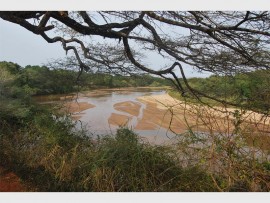
Watery Ndumo Game Reserve boasts many pans, rivers and wetlands.
OUR KwaZulu-Natal road trip had taken us to Weenen, the KwaZulu-Natal Midlands game reserve with an Out-of-Africa soul, then through the battlefields to beautiful Ithala in the rugged northern region of our province.
Now we were heading over the Lebombo Mountains to Maputaland, the land of the giant fever trees, to spend a few days in KwaZulu-Natal’s very own pocket Okavango.
That is the very apt nickname given to one of our very favourite southern African conserved places, wild and watery Ndumo Game Reserve. It is really one of the jewels in the Ezemvelo KZN Wildlife crown and I am always amazed at how many people have never even heard about it.
Ndumo is tucked up against the Mozambique border, between its twin, the nearby Tembe Elephant Park, and Swaziland. The Usutu River forms its northern boundary and the Phongolo river runs through it. Their confluence is just outside the park.
These substantial rivers are not the only waterways Ndumo boasts. Throughout the park there is an abundance of wetlands and reed beds and exquisite pans fringed with lime green fever tree forest.
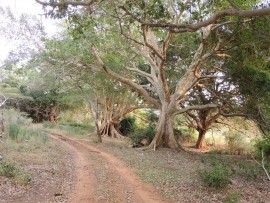
Between the watery sections are stretches of riverine forest, adorned with massive fig trees, woodlands, patches of sand forest and somewhat dry and scratchy thorn tree stands.
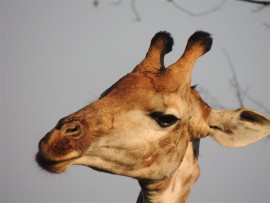
Ndumo is small, a mere 10 000ha in size, but with this amazing diversity of habitat it is not surprising that it abundantly gifted with both flora and fauna. It is a botanist’s delight, boasting some amazing trees and shrubs and while it is not a big-five reserve, it has plenty of interesting mammals like the graceful nyala, bright little red duikers and the dainty suni antelope, not to mention a healthy hippo and giraffe populations. It is also renowned for its mega-sized crocs.
It is perhaps the birding it offers that is its biggest draw card, as my twitching friend Fiona, was discovering to her joy. Ndumo is truly a birder’s paradise, boasting an amazing 430 species, not much less, in fact, than the whole of Kruger National Park’s tally. Once while visiting the park one of the birding guides pointed out to us that each and every southern African kingfisher species occurred, on occasions, in the park.
We just love Ndumo and visit it as often as we possibly can. This time round we were impressed to find out that the road leading to the park entrance, which used to be a rutted gravel horror, has now been tamed. From the turn-off, a fine ribbon of tar stretched ahead of us and we cruised along this dust-free highway right to the gate. As usually, driving into the park had a feeling of coming home.
One of the pleasures of visiting Ndumo is that the staff members, most of whom have been there for many, many years, have the knack of making their guests feel special. As we’ve come to expect, we were greeted with friendly smiles from everyone there. Soon we were putting up our tent in the shady, green camping area. And you don’t have to camp to enjoy Ndumo. Anyone allergic to canvas would be happily accommodated in one of five or six recently revamped squaredavels beneath the maroela trees in the parklike main camp gardens.
At the heart of Ndumo is a place of incredibly beauty, the tree-ringed Nyamithi Pan. A roomy hide, sheltered by a giant weeping boer bean tree, overlooks the sparkling stretch of water and its backdrop of a fluorescent green fever tree forest. Hippos harrumph, fish eagles call and all sorts of wading and water birds add their notes to this to African symphony. It is virtually everyone’s favourite spot and if you linger there long enough you would probably meet up with every single person staying in the park.
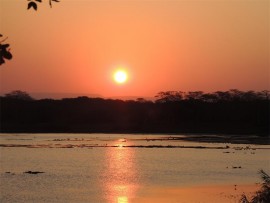
It is to Nyamithi that we set off as soon as we had set up camp. From a birding or bird photographing point of view, early mornings are perhaps a better time to visit the hide as the late afternoon sun shines directly into your eyes but, without a doubt, Nyamithi is one of the very best places in southern Africa to watch the sun go down. You can’t visit Ndumo without experiencing at least one Nyamithi sunset.
The pan’s bird populations vary, depending on the time year and the level of the water. Once when the pan was full and the waders had moved away, we were entranced by the blizzard of nesting egrets, spoonbills, yellowbilled storks and pelicans completely covering the trees to the right of the pan.
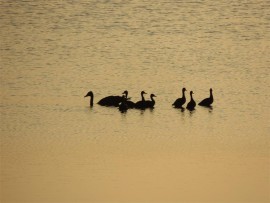
On this visit, however, the trees were bare of nesting birds. Instead the water level had dropped enough to produce the roomy sand bars that appeal to the waders and waterbirds – not to mention the pan’s many giant crocs. Frustratingly, the bright sunshine had turned the birds into silhouettes, hampering identification, but gradually, we started to work out who was who.
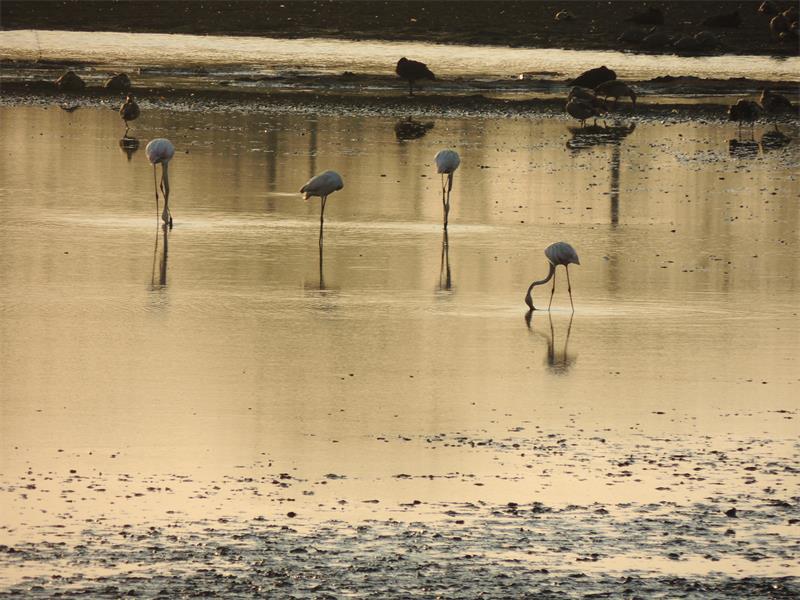
And what a wonderful avian array there was, too. Big flocks of spurwinged and. Egyptian geese lauded it over the smaller white face whistlers. A couple of flamingoes did their graceful water ballet and a solitary pelican emerged from behind a bush. Gradually we started to notice more species – a couple of spoonbills stirring up the water with their strange beaks, a regal goliath heron, a prehistoric looking openbilled storks, some avocets, stilts, jacanas and all sorts of distant waders that we gave up trying to id.
There was plenty of sound and action around such a busy body of water as the birds waded, scurried or flapped their way through the shallows or took to the air in V-shaped formations. Water birds are noisy creatures so there was quite a sound track of honks, squawks, splashes, shrieks, grumbles and whistles. Now, as the sun started dropping towards the horizon, the light show began.
For a while, the beautiful African scene was bathed in a golden light then the setting sun painted the pan vivid oranges and reds. There was just enough time to see the sun drop below the horizon before we had to leave to get back to camp before gate closing time.
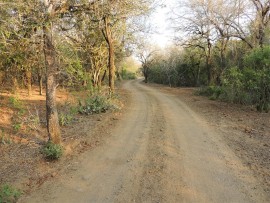
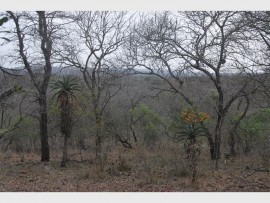
Early next morning we set off to another of the park’s outstanding beauty spots, the Red Cliffs picnic site. KwaZulu-Natal was going through a particularly dry cycle and it was the end of winter so we were not surprised to find ourselves driving through dry, scratchy areas. Mother Nature, the eternal optimist, was already preparing for the summer rains and many of the trees were sporting bright new leaves.
Reaching Red Cliffs, we quickly checked on the resident fish eagles and the pied and giant kingfishers. All present and correct as usual so we busied ourselves preparing breakfast. This lovely picnic site really is a must if you are visiting the park. The picnic tables are set out at the edge of a stand of multi-stemmed Albizia petersiana trees, perched on one of the red cliffs that give the site its name.
They overlook the substantial Usuthu River, a silvery thread that winds its way through the golden sand. For some reason, the area is popular with the park’s avian population, making it an excellent spot to do a little birding while the bacon sizzles.
We returned to camp slowly via a roundabout route that took in the viewing tower. It offers a bird’s eye view of the park and the many waterways and pans, showing why Ndumo is called a pocket Okavango.
After an excellent afternoon of camp-chair birding at the bird baths in the camp we set off to enjoy another sundowner session at Nyamithi Pan, stopping at the vulture restaurant where there was a fresh carcass. Two whitebacked vultures were in attendance but we missed the visiting palmnut vulture that Fiona and other campers saw a little later that afternoon. The slight cloud cover that evening filtered the bright sunshine, making it easier to identify the birds.
Breakfast the next morning was at another favourite little spot, a rustic picnic site in the middle of an extensive stand of knobthorn trees. There is, I suppose nothing very special about that spot, but it is seldom used and we enjoy the solitude. As confirmed tree huggers we are particularly fond of knobthorn trees, too, even though they are rather hard to hug.
After breakfast with our friends we set off and did the reserve’s 4X4 riverine route to hug more trees, these ones the stately sycamore figs and fever trees that line the river banks. It is also a great route for a bit of forest birding and we were pleased to spot the resident crowned eagle again. We lingered for coffee at Red Cliffs then set off on a slow, winding route back home.
We were leaving the pocket Okavanga the next day but we planned another special treat for ourselves, a guided bird walk with Sonto Tembe, one of the vastly knowledgeable ranger, before we packed up our tent.Hoping to find a Pel’s fishing owl for Fiona, we wanted to do the popular Phongola river Walk, Once on a previous walk there, with another excellent guide, Joseph Gumede, we were lucky to spot not only this elusive fishing owl but an African broadbill and a finfoot as well. the last time we were there, Joseph had found us another Pel’s.
This time though, the Phongola River had dried up into small pools and the fishing owls had flown away to look for a better fishing spot. There was no hope of seeing a finfoot either, we supposed, but the absence of these specials didn’t really matter. We spent our last few hours of our Ndumo visit enjoying some really spectacular birding in a spectacularly beautiful corner of the park.