
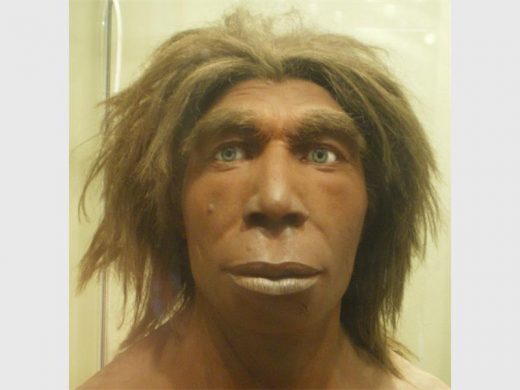
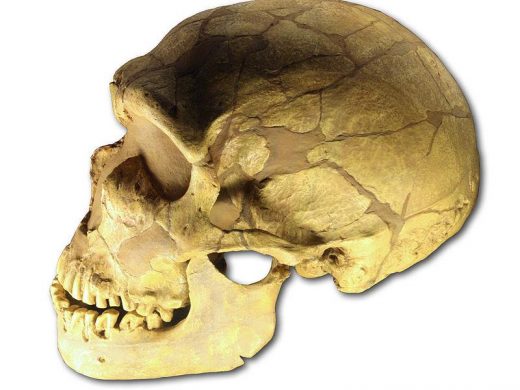
Taking a leap back in time – DNA taken from Neanderthal remains in a cave in Belgium indicate that they were using aspirin and possibly even a form of penicillin about 40 000 years ago.
The DNA is being taken from tartar on the Neanderthals’ teeth and it shows that they were chewing the bark of the poplar tree, which contains a chemical related to aspirin, to relieve pain. They apparently had considerable knowledge of medicinal plants and how to use them.
YOU MIGHT ALSO BE INTERESTED IN : From my hide: Ban reversal ‘trumps’ up ivory imports
The study, being conducted by scientists from the Australian Centre for Ancient DNA at the University of Adelaide, indicates that Neanderthals may even unwittingly have been using a form of ancient penicillin.
The dental tartar also reveals that they were prolific meat eaters, mainly rhinoceros and wild sheep, while other Neanderthal groups elsewhere were largely vegans, eating only moss, bark and pine nuts.*** (I’m trying to imagine eating a rhino).
A new and highly successful alien vegetation clearing project has been launched in a national park in southern India, where elephants are being used to pull out lantana and other weeds.
It’s estimated that the dreaded lantana camara, very familiar as a major pest to us here on the lower South Coast, and other aliens have taken over up to 70 percent of the Mudumalai Tiger Reserve in the state of Tamil Nadu.
The local Forestry Department has been fighting a war against the invasive plants for years, but now the elephants are turning the tide.

They have been trained to pluck the aliens out of the ground and so far they have cleared many kilometers of walking trails, road verges, fire breaks and patrol lines.* Now that’s something we could do with right here, lantana-clearing elephants.
Staying with elephants, there is a new and very nasty twist in the Rohingya crisis in Burma and Bangladesh. The Burmese Army has been putting up razor wire fencing between the two countries and laying land mines along the border as well.
Elephants have become the latest victims in this ongoing horror, with reports of elephant deaths already coming through. Bangladeshi conservationists say the new measures are disrupting the elephants’ normal centuries-old migration routes between the two countries, Burma has an elephant population of about 5000 and Bangladesh about 350*

In Britain, scientists have created a sieve that can remove the salt in seawater. The scientists, from the University of Manchester, have developed a sieve made from graphene oxide, which is basically a very thin layer of carbon atoms that traps the salt crystals in seawater.
It is hoped that eventually the sieve will be a mass-produced low energy device that will be able to provide safe, clean drinking water for millions of people world-wide.** This could hugely relieve the pressure on natural fresh water sources like rivers and lakes (although lakes are fed by rivers)
*Save the Elephants News Service, **The Week: The Best of the British and Foreign Media, ***The Digging Stick, magazine of the South African Archaeological Society.
HAVE YOUR SAY
Like our Facebook page, follow us on Twitter and Instagram
For news straight to your phone, add us on BBM 58F3D7A7 or WhatsApp 082 421 6033