In the following graphic produced by the Heart and Stroke Foundation of South Africa are some sobering statistics:
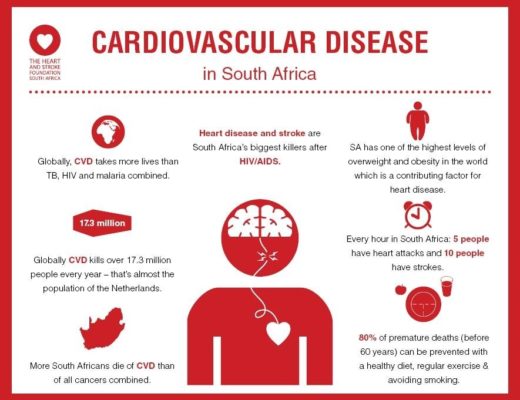
Perhaps for me the most significant statistic on this graphic is that every hour in South Africa, 5 people have heart attacks and 10 people have strokes. Thankfully not all die from these frightening afflictions, but they are certainly debilitating and change a person’s life forever. The second statement of significance is that 80% of premature deaths related to cardiovascular disease can be prevented with a healthy diet, regular exercise and avoiding smoking. It is that statement that we want to explore in the next few articles.
YOU MIGHT ALSO BE INTERESTED IN: Turning the Tide on Lifestyle Diseases: What Alzheimer’s is, and 5 ways to help prevent it
Cyrus Khambatta, PhD who co-runs an organisation called Mastering Diabetes, has written an excellent review on cholesterol and how to reduce this. Much of the information in this article is from his work.
We know there are genetic predispositions to heart disease, cancer, diabetes, etc. But does that mean we are destined to suffer that fate and there is nothing we can do to change our destiny?
Dr Caldwell Esselstyn, a surgeon and cardiovascular researcher who has proved that cardiovascular disease can be reversed, states: “Our genetics load the gun, but lifestyle pulls the trigger”. A loaded gun does not kill anyone unless you pull the trigger, and in this case the trigger is a diet high in saturated fats and low in cholesterol-lowering foods. The food on your plate determines the risk of cardiovascular disease significantly more than the genes you inherited.
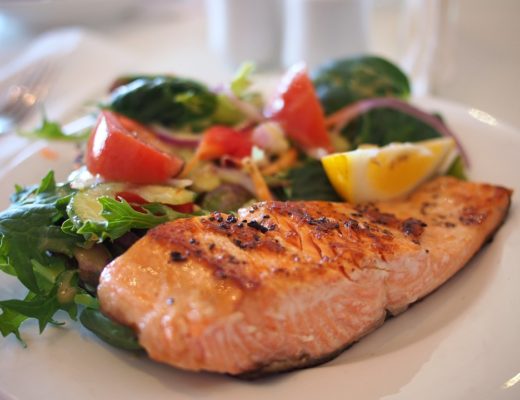
Many medical professionals encourage their patients to eat a low-carbohydrate, high fat diet, claiming that this is cardio-protective. There are many short-term studies that show a reduction in LDL (Low density lipoprotein) cholesterol on this diet. Raised levels of LDL cholesterol are known to be be associated with a higher risk of cardio-vascular disease, however, the lowered levels only occur with associated weight loss.
There are no long-term studies using a low-carbohydrate, high-fat (ketogenic) diet that show reversal of cardio-vascular disease.
The big concern with the ketogenic diet is that often patients eventually suffer from increased cholesterol levels, insulin resistance, low energy, weight gain, atherosclerosis, heart disease, and increased risk for all-cause mortality. (See https://www.ncbi.nlm.nih.gov/pmc/articles/PMC3555979/). Long term follow-up in the Adventist Health Studies, as well as many other studies, have confirmed the benefits in terms of reduction of all-cause mortality from a predominantly plant-based diet.
Where does cholesterol come from?
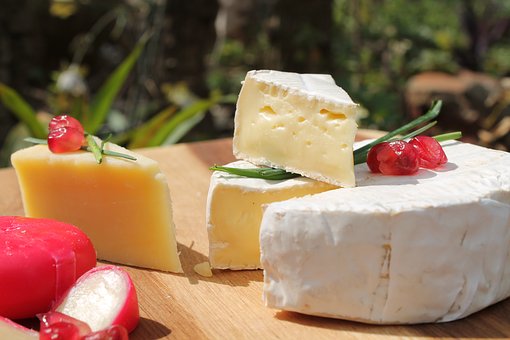
Cholesterol is an important ingredient of most animal cells. It forms the basis of most hormones, and thus is manufactured by the body. It is only found in the animal kingdom. In our diet we get cholesterol from red meat, white meat, fish and seafood, eggs and dairy products (cheese, yoghurt, cream and milk).
Ingesting cholesterol-rich foods increases your blood cholesterol, but only if your cholesterol levels are low.
If your levels are high, there will not be much change. (As an illustration, if you try to fill an already full glass of water, adding more water will not raise the level. This is the basis of claims that eating animal products do not affect your cholesterol levels).
Understanding cholesterol.
When you have a fasting blood lipid test at the laboratory, you will measure total cholesterol, LDL cholesterol, HDL (high density lipoprotein) cholesterol and triglycerides. Each of these biomarkers has a biological significance.
Total Cholesterol equates to LDL + HDL + (Triglycerides/5).
YOU MIGHT ALSO BE INTERESTED IN: FREE lifestyle health seminars offered in Port Shepstone
LDL cholesterol is the “bad” cholesterol. LDL particles deliver cholesterol and fatty acids to tissues all over our body. They are likened to the delivery trucks. It is considered “bad” because it deposits cholesterol in muscles, fat cells, brain, thyroid, heart, pancreas and other vital organs.
HDL cholesterol is the “good” cholesterol, as it acts as a vacuum cleaner, removing excess cholesterol from tissues all over the body and returning it to the liver.
Triglyceride levels measure the total amount of stored fatty acids in both your LDL and HDL particles.
The higher the level of LDL cholesterol, the greater the risk of heart disease. This has been well established in studies of more than 1 million people, despite the claims of naysayers.
A very important fact is that eating a low-fat, plant-based, whole-food diet containing cholesterol lowering foods not only reduces LDL cholesterol, but can drop the risk of heart disease to effectively zero. This has been shown by many researchers, including Drs Esselstyn, Ornish, and others who run successful heart disease reversal programmes. Former president of the American College of Cardiologists, Dr Kim Williams was a strong proponent of such a diet.
The most powerful foods to reduce cholesterol are plant foods – fruits, vegetables, legumes and whole grains. Not only do they not have any saturated fats, and are low in all fats, but are high in cardio-protective nutrients including vitamins, minerals, fibre, water and anti-oxidants. LDL levels can drop rapidly, sometimes within weeks on a strict plant-based, low fat diet.
What is atherosclerosis?
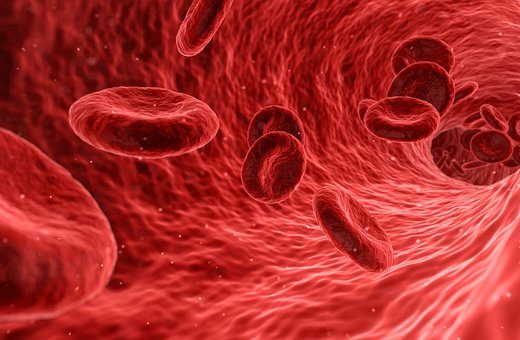
The lining of all blood vessels is extremely smooth. This allows the free passage of blood cells with their life-giving nutrients. However dietary and lifestyles factors can cause damage to that vital endothelial layer. The first changes are called fatty streaks, and have been found in children as young as 10 years old. As the disease progresses, LDL cholesterol becomes oxidised and together with inflammatory cells are deposited in these plaques, causing progressive narrowing of the artery. The main mediator of that process is inflammation, which very often is caused by our diet, smoking, sedentary lifestyle, systemic infections, etc.
The most powerful anti-inflammatory substance in the blood vessels is a gas called nitric oxide which causes vasodilatation of blood vessels, as well as counteraction of the inflammatory attack on blood vessel walls.
When the smooth surface is disrupted, inflammatory processes damage the tissues and blood clots form on the surface. The plaque itself can rupture, or these blood clots can break off, and both conditions obstruct the blood vessels leading to symptoms like angina, transient ischaemic attacks (mini strokes) or claudication (pain in the legs on walking). Complete obstruction will lead to heart attacks, strokes or gangrene of limbs.
How do we treat atherosclerosis?
Most doctors will put patients with elevated cholesterol levels onto statins. And although statins have a good track record of reducing especially LDL cholesterol levels, and reducing the risks associated, they do not deal with the underlying problem, and are lulling patients into a state of security and lethargy, thinking they are controlling the problem.
Statins are not without side effects – muscle pains in 30% of patients, and less commonly, increased blood sugar, liver damage and neurological problems such as memory loss and fuzziness.
Far better than going straight for the pills, is a willingness to change your life and reap all the additional benefits of a healthy diet rich in fruits, vegetables, whole grains and legumes and low in oil and fats, animal products and refined foods; enjoyable exercise for up to 150 minutes per week; developing good social support networks (by spending time with family, or going to church or joining clubs); getting sufficient rest and sleep; and de-stressing through prayer and meditation and spiritual activities and hobbies.
Do these interventions work?
There are thousands of stories of people whose lives have been transformed as a result of effective lifestyle interventions.
Evelyn Oswick was told in her fifties, after two heart attacks, an angioplasty and a triple bypass, that there was nothing further that could be done for her and that she would not live out the year. She decided to join Dr Caldwell Esselstyn’s research programme – one of the living “dead” whose lives was completely transformed. She lived a very full life thereafter for another 30 years, dying last year at the age of 90. You will find her story on YouTube and also on the documentary “Forks over Knives”. https://www.youtube.com/watch?v=Ivs2JG5j_FU
So if you have a family history of ischaemic heart disease or strokes, are diabetic, have familial cholesterol problems, are hypertensive, or overweight, you don’t have to give up. Even if you have angina or have had a heart attack or a stroke, there is so much you can do to reverse the process. Of course it is even better to prevent it in the first place by adopting a heart-healthy lifestyle now.
In our next article we will explore more practical interventions.
To health and longevity and vitality,
Dave Glass
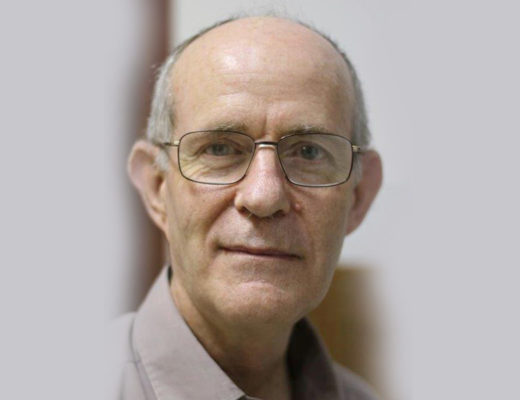
Dr David Glass graduated from UCT in 1975. He spent the next 12 years working at a mission hospital in Lesotho, where much of his work involved health education and interventions to improve health, aside from the normal busy clinical work of an under-resourced mission hospital.
He returned to UCT in 1990 to specialise in obstetrics/gynaecology and then moved to the South Coast where he had the privilege of, amongst other things, ushering 7000 babies into the world. He no longer delivers babies but is still very clinically active in gynaecology.
An old passion, preventive health care, has now replaced the obstetrics side of his work. He is eager to share insights he has gathered over the years on how to prevent and reverse so many of the modern scourges of lifestyle – obesity, diabetes, ischaemic heart disease, high blood pressure, arthritis, common cancers, etc.
He is a family man, with a supportive wife, and two grown children, and four beautiful grandchildren. His hobbies include walking, cycling, vegetable gardening, bird-watching, travelling and writing. He is active in community health outreach and deeply involved in church activities. He enjoys teaching and sharing information.
HAVE YOUR SAY
Like the South Coast Herald’s Facebook page, follow us on Twitter and Instagram
For news straight to your phone, add us on WhatsApp 082 421 6033