In our last article we discussed the high incidence of both heart attacks and strokes in South Africa and the role of dietary cholesterol in increasing the risk of heart disease and the mechanism involved. The same goes for strokes and other vascular narrowing.
It is well understood that one of the main mechanisms for damaging our systems is chronic inflammation. This is caused by many factors – bad habits like smoking, excessive alcohol, lack of exercise, chronic infection (e.g. chronic gum disease from poor dental hygiene) and illnesses like tuberculosis, etc. But diet has a very important role in causing chronic inflammation. One of our future articles will discuss inflammation specifically.
YOU MIGHT ALSO BE INTERESTED IN: FREE lifestyle health seminars offered in Port Shepstone
A relatively recent concept in wellness has to do with our understanding of our micro-biome. This is the recognition of the important role the trillions of micro-organisms inhabiting every part of our bodies, especially our gut, in maintaining our health and well-being. Once again this is important enough to warrant a specific article in the future.
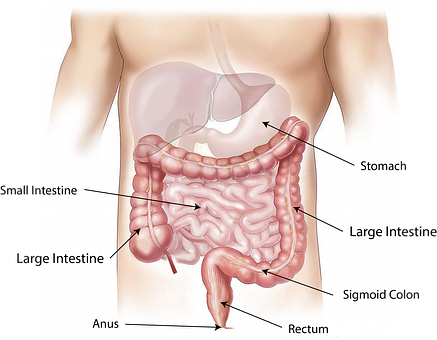
Studies published in 2013 suggested that high levels of Trimethylamine N-oxidase (TMAO) in the blood are associated with an increased risk of major adverse cardiovascular events. Where does TMAO come from? It is a metabolite of two substances found in certain foods – carnitine and lecithin.
However ingestion of these foods alone does not produce TMAO. It needs certain bacteria in our gut to metabolise TMAO.
The foods that contain carnitine are especially red meat, as well as some energy drinks and some dietary supplements. Foods rich in lecithin are soy, eggs and an ingredient in processed foods. In the presence of TMAO, there is increased deposition of cholesterol in artery walls, and decreased removal of cholesterol from peripheral cells, such as artery wall cells. TMAO is a powerful oxidant in our blood causing inflammation and damage to the blood vessel walls.
Another 2017 study showed that circulating TMAO levels was associated with a 23% higher risk of cardiovascular events and a startling 55% higher risk of mortality. However another fascinating study looked at the role of diet in TMAO levels. It is well known that people who eat a predominantly plant-based diet have very low blood levels of TMAO, because their gut flora does not have those particular bacteria involved in conversion of carnitine and lecithin into TMAO.
In this particular study two groups of subjects were given a big steak to eat – the one group were normal omnivores (eat meat and plants) and the other group were herbivores (plant-based eaters).
After ingesting the steak, TMAO levels were absent in the plant-based eaters, but elevated in the meat-eaters. After just a few days of eating steak though, the plant-eaters started to have elevated TMAO levels. This indicates that the gut flora can change quite rapidly, depending upon our diet. This would suggest that if we want to reduce our TMAO levels, cutting way back on meat-based diet, and dramatically increasing our plant-based foods, and particular plant fibres, can be beneficial.
Can heart disease be reversed?
In the last article I promised to give some practical advice. Let me share with you the story of Dr Caldwell Esselstyn Jnr. He was a surgeon at the famous Cleveland Clinic where he was chairman of the breast cancer task force for 30 years. Frustrated at the increasing incidence of this devastating disease, he began to investigate what could be done to reverse the rising incidence. He looked looked at global trends and discovered that in certain traditional societies, e.g. Kenya, and Japan the natural occurrence of breast cancer was exceptionally low.
However as these people moved to a Western diet, the incidence rose to correspond with those of Western people.
What was the common denominator? These cultures by heritage and tradition were predominantly plant-based. Dr Esselstyn also read some books by Nathan Pritikin and Dr John McDougall which opened his mind to the role of a plant-based diet in reversing the risks of both cancer and heart disease. He chose to work on heart disease as it was the number one killer of men and women in the USA, and he hoped to get more rapid results than with cancer.
After obtaining the support of his wife, they changed their diet dramatically for a year. He then approached the Cardiology department of Cleveland Clinic and discussed his proposals with them. They referred 24 patient over the next 18 months. These were patients who had come to the end of their therapeutic options – the living dead one could say. Obviously each of these patients had to be committed to the programme to show benefit. He would spend 5-6 hours at the start of the therapy explaining everything in great detail, then seeing them for follow-ups every 2 weeks.
There were dramatic results.
Within days or weeks, symptoms such as angina and claudication (pain in the legs with exercise) disappeared. Blood cholesterol levels improved. Weight loss occurred. But there were so many other benefits as well – skin and arthritic conditions improved, bowel problems disappeared or improved. The patients were able to get back into normal exercise, and some even started running marathons or climbing mountains. Follow-up angiograms showed re-opening of narrowed blood vessels, and in some cases return to normal diameters after a few years. Altogether 250 patients have been studied and published now.
If you want to see and read his amazing results, look up YouTube Reversing heart disease by Caldwell Esselstyn for many videos.
YOU MIGHT ALSO BE INTERESTED IN: READ MORE TURNING THE TIDE ON LIFESTYLE DISEASES
Dr Esselstyn is by no means the only one who has done these studies. Dr Dean Ornish published similar studies back in 1990 confirming the dramatic effects of a plant-based diet, together with exercise, social support and team approach. In fact Dr Ornish, after a long 16 year battle with medical insurance, has finally obtained approval in the USA to roll out lifestyle modification programmes around the States that is supported financially by the medical insurance industry, bringing dramatic improvement to chronic illness at a fraction of the cost.
There is increasing literature supporting this approach. Dr Kim Williams, a former president of the American Cardiology Association, is a strong proponent of a plant-based diet in reversing and controlling heart disease.
Next article we will look at dietary changes necessary to reverse heart disease and share some recipes.
To health and vitality.
Dave Glass
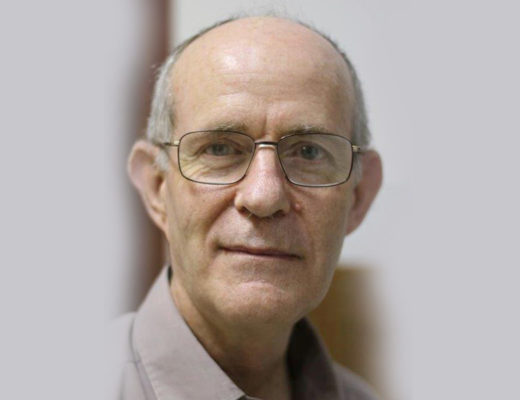
Dr David Glass graduated from UCT in 1975. He spent the next 12 years working at a mission hospital in Lesotho, where much of his work involved health education and interventions to improve health, aside from the normal busy clinical work of an under-resourced mission hospital.
He returned to UCT in 1990 to specialise in obstetrics/gynaecology and then moved to the South Coast where he had the privilege of, amongst other things, ushering 7000 babies into the world. He no longer delivers babies but is still very clinically active in gynaecology.
An old passion, preventive health care, has now replaced the obstetrics side of his work. He is eager to share insights he has gathered over the years on how to prevent and reverse so many of the modern scourges of lifestyle – obesity, diabetes, ischaemic heart disease, high blood pressure, arthritis, common cancers, etc.
He is a family man, with a supportive wife, and two grown children, and four beautiful grandchildren. His hobbies include walking, cycling, vegetable gardening, bird-watching, travelling and writing. He is active in community health outreach and deeply involved in church activities. He enjoys teaching and sharing information.
Dr David Glass graduated from UCT in 1975. He spent the next 12 years working at a mission hospital in Lesotho, where much of his work involved health education and interventions to improve health, aside from the normal busy clinical work of an under-resourced mission hospital.
He returned to UCT in 1990 to specialise in obstetrics/gynaecology and then moved to the South Coast where he had the privilege of, amongst other things, ushering 7000 babies into the world. He no longer delivers babies but is still very clinically active in gynaecology.
An old passion, preventive health care, has now replaced the obstetrics side of his work. He is eager to share insights he has gathered over the years on how to prevent and reverse so many of the modern scourges of lifestyle – obesity, diabetes, ischaemic heart disease, high blood pressure, arthritis, common cancers, etc.
He is a family man, with a supportive wife, and two grown children, and four beautiful grandchildren. His hobbies include walking, cycling, vegetable gardening, bird-watching, travelling and writing. He is active in community health outreach and deeply involved in church activities. He enjoys teaching and sharing information.
HAVE YOUR SAY
Like the South Coast Herald’s Facebook page, follow us on Twitter and Instagram
For news straight to your phone, add us on WhatsApp 082 421 6033