YOU are sure to be inspired by a visit to the four Leisure Bay indigenous gardens that go on show during the Leisure Bay Conservancy Open Gardens Weekend on June 16 and 17, from 10am to 4pm daily.
You will also probably be surprised by the amount of bird song and buzzing insects you will hear as you stroll around the gardens.
YOU MIGHT ALSO BE INTERESTED IN : Invasives and natives: Potatoes and deadly poisons
Apart from the fact that indigenous gardens are attractive, water-wise and easily maintained, indigenous gardeners know that by choosing plants native to their area they will be helping to conserve the natural wildlife in their neighbourhoods.
As we steal more and more of Planet Earth from Mother Nature, paving over the soil, polluting the waterways and creating pretty green deserts, we are shrinking the natural habitats of so many creatures great and small, driving many of them to extinction. It makes sense, therefore, to tread lightly on the bits of earth we own and to invite Mother Nature into our gardens.
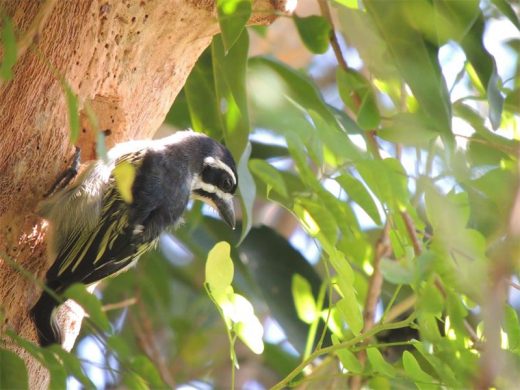
By growing indigenous plants we are automatically growing plants that supply food for resident small mammals, birds, chameleons, lizards and other reptiles and butterflies, bees and other insects. Your garden doesn’t even have to be totally indigenous. Just try to ensure you have a high percentage of native plants.
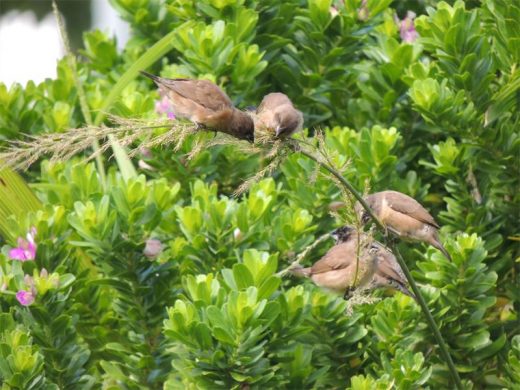
Add plants like aloes and the Hilaria lucida tree that provide birds and insects with nectar. The insect eating birds will also benefit from these insect-magnet plants. There are some lovely fruit-bearing indigenous plants available, too, if you’d like to attract the fruit eaters and our little seed eaters will be so grateful for a few patches of natural grasses. a good idea would be to find out about good butterfly food plants and add them to the mix.
Wildlife friendly gardening isn’t just about growing indigenous plants. There are many techniques you can use to rev up your garden’s biodiversity. For a start, throw away the poisons.
Most indigenous plants can stand up to garden pests and don’t mind a bit of natural pruning courtesy the leaf eaters.
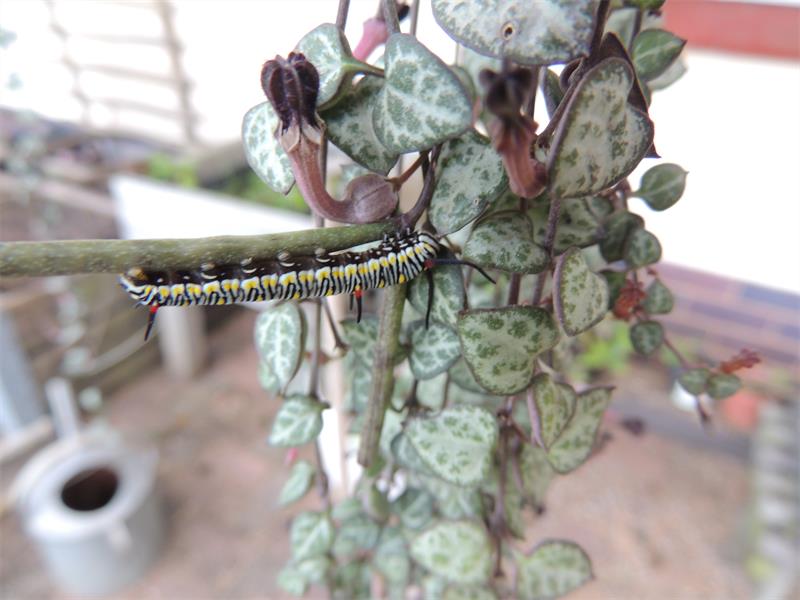
Over time a natural balance will prevail and there will be enough insectivorous residents and visitors to your garden to keep your leaf eaters and insect pests under control. Ladybirds and preying mantids are voracious predators that eat thousands of aphids and other unwanted garden pests. And remember, you can’t have butterflies without the caterpillars.
Add plenty of water points, in the form of birdbaths, fountains, artificial streams and ponds to your garden design. It is amazing how this attracts wildlife.
Densely planted thickets of shrubs and trees and thick layers of flowering ground covers provide protected places for birds and other small creatures to hide away, rest, nest, feed and breed.
Don’t sweep up leaves and twigs and send them off the landfill. You are wasting Mother Nature’s valuable fertilisers. Sweep them into the garden beds where they will enrich the soil and keep it moist. It is not only the plants that will benefit. Worms and other useful creatures will thrive in the rich, loamy moist spaces beneath the leaves – and will provide food for insect eating birds.
Finally, use and save the natural, untreated, free water Mother Nature provides in the form of rain. Set up tanks and ponds to catch the water from gutters and channel rain water from paths and paving into your flower beds.
For more ideas on turning your little green space into a mini nature reserve rather than a green desert, make sure you see the Leisure Bay open gardens. Tickets are R30 for access to all four gardens. Refreshments and some plants will be on sale and visiting specialists will be on hand to chat about a variety of environmentally related subject.
For information and tickets, contact Libby at 082 561 6993, Mark at 082 4282087, Stephanie at 083 3029382 or Merle at 083 4075219.
HAVE YOUR SAY
Like our Facebook page, follow us on Twitter and Instagram
For news straight to your phone, add us on WhatsApp 082 421 6033